








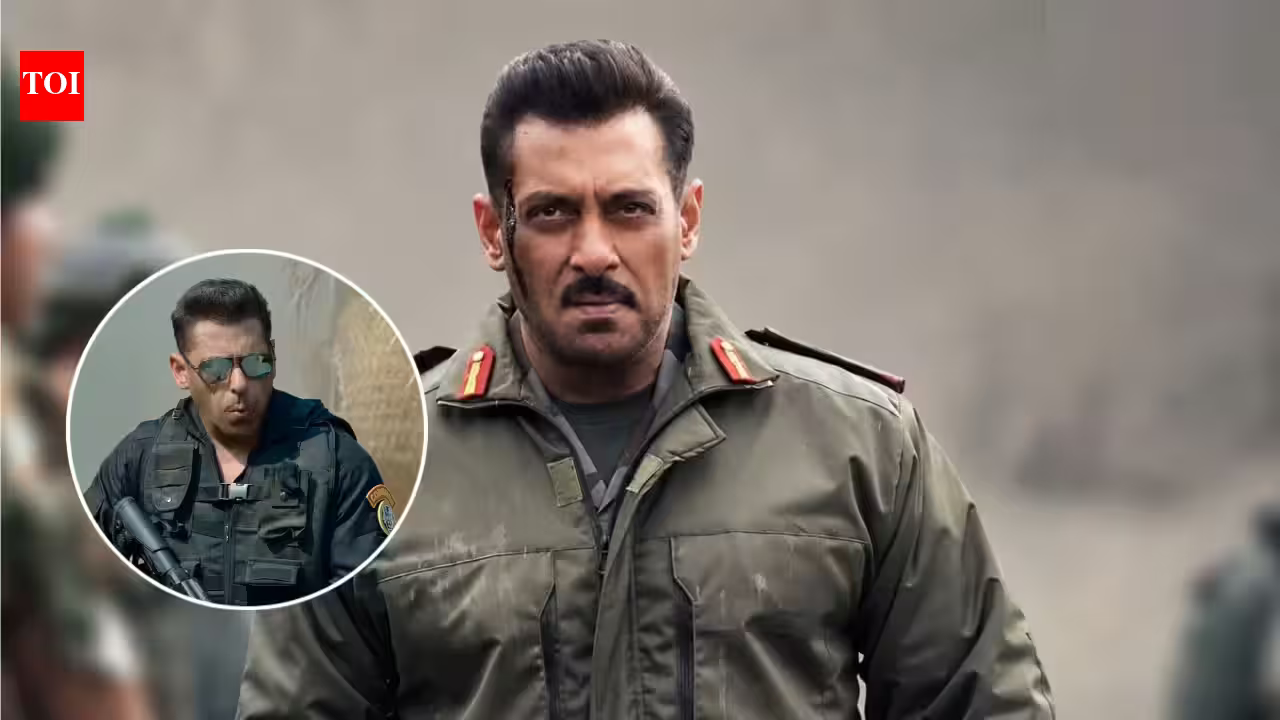
The superstar is back, and he is not in the mood to mince words.
Salman Khan has long been the immovable object of Indian cinema, a titan whose box office prowess is matched only by his ability to generate headlines. But with his upcoming release, Maatrubhumi: May War Rest in Peace, the noise surrounding his latest project has reached a fever pitch before a single frame has even hit the screens. During a high-stakes promotional event in Hyderabad, accompanied by his co-star Chitrangada Singh and director Apoorva Lakhia, Khan addressed the swirling controversy head-on, dismissing his digital detractors with a blend of trademark swagger and sharp, sarcastic wit.
A Stoic Response to the Digital Echo Chamber
When asked about the recent onslaught of trolling that greeted the release of the Maatrubhumi trailer, the actor didn’t show a flicker of frustration. Instead, he leaned into the role of the benevolent patriarch of the industry. “If talking badly about my film or me helps them gain views or followers, or helps them gain fame and make money, I am more than happy,” Khan remarked. “God bless them.”
It is a response that strikes a balance between indifference and industry awareness. In an era where “hate-watching” and outrage-farming have become legitimate business models for content creators, Khan is clearly signaling that he understands the ecosystem better than his critics realize. He isn’t just enduring the criticism; he’s contextualizing it as a byproduct of his own massive footprint. For a man who has dominated the industry for three decades, he knows that noise—even negative noise—is still, in the end, just noise.
The ‘Never Judge a Book’ Philosophy
Perhaps the most persistent critique leveled against the film has been the structure of the trailer itself. A segment of the audience argued that the five-minute clip was bloated, effectively spoiling the film’s narrative arc before the ticket sales even began. Khan, however, is having none of it.
“Those saying this is too long or thinking that we have shown the whole film; we haven’t,” he clarified. He challenged his audience to look past their initial impressions, famously reminding them, “Never judge a book by its cover. But you have already judged it by its cover. Now what will happen when things flip?”
Khan’s confidence is palpable. He suggests that those who have dissected the trailer with forensic intensity are in for a surprise. “If you found so many points to pick from in a 5-minute trailer, imagine how much will you find in a two and a half hour film,” he added, promising that the actual cinematic experience arriving on December 4 will be a different beast entirely. It is a classic move from the playbook of a veteran: bait the critics, set the stage, and then deliver the product.
Wrestling with the Ghost of AI and VFX
Perhaps the most bizarre element of the Maatrubhumi discourse has been the persistent rumor that the film relies heavily on Artificial Intelligence. Following the release of the song ‘Madirapan,’ social media keyboard warriors began circulating theories that Salman Khan hadn’t actually shot the footage, claiming the visuals were deepfakes or generated by AI.
The actor’s response was a mix of incredulity and sharp mockery. “Our film is about the country’s soldiers and their families. And instead of that, you talk about VFX and AI. Who are these people? Where do they come from?” He pointed out the absurdity of armchair experts questioning the authenticity of scenes shot on location.
“Are these people AI specialists? Are they VFX specialists?” he fired back, mocking the notion that his own appearance on screen was somehow synthetic. He noted that his team keeps a close watch on these claims, even if he chooses not to engage personally. The frustration here is palpable: for a film that aims to honor the sacrifice of Indian soldiers, Khan feels that the discourse has been reduced to technical pedantry—and often, incorrect pedantry at that. By framing the critics’ obsession with VFX as a distraction from the film’s patriotic heart, Khan effectively positioned his detractors as people who have lost the plot.
The Weight of ‘Maatrubhumi’
At its core, Maatrubhumi is a project that carries significant gravity. Originally titled Battle of Galwan, the film tackles the geopolitical friction between India and China, a sensitive and highly charged subject. The sheer weight of such a topic explains why the film has been under such an intense microscope. For Apoorva Lakhia, the director tasked with helming this high-octane project, the pressure is immense.
The film’s journey to the screen—from the initial announcement under a different title to the current atmosphere of scrutiny—has been anything but typical. As it prepares to hit theatres on December 4, it faces the dual challenge of satisfying the long-time Salman Khan fan base while maintaining the dignity required for a film rooted in modern military history.
Moving Toward the Finish Line
As the press conference concluded, the message from the Maatrubhumi camp was clear: they are aware of the detractors, they are laughing at the conspiracy theories, and they are moving full steam ahead toward the release date. Whether the film lives up to the hype or validates the fears of the skeptics remains to be seen. But in the theater of Indian public opinion, Salman Khan has once again seized the narrative.
He has transformed a controversy over trailers and VFX into a litmus test for his audience. Will the critics stick to their initial, sharp judgments? Or will the “flip” that Khan promised materialize when the curtain finally rises in December? For now, the superstar is letting the conversation rage on, perfectly content to let the noise work in his favor. As he implied, every click, every tweet, and every bit of “bad press” is just fuel for the fire. And as history has shown, Salman Khan is more than capable of handling the heat.
Disclaimer: This content is auto-generated for informational purposes only.
Source: Read Original News