









The Strategic Imperative of Air India’s Turnaround
The recent site visit by Tata Sons directors to Air India’s Gurugram headquarters signifies a pivotal moment in the conglomerate’s efforts to steer its aviation vertical toward sustainable profitability. This inspection, led by chairman N. Chandrasekaran and attended by board members including Noel Tata, represents a shift from passive oversight to active operational engagement. For an airline that has struggled with the legacies of a state-run entity for decades, the transition under Tata’s stewardship is not merely a corporate rebranding exercise but a rigorous attempt to restructure a business model that has historically faced deep structural inefficiencies.
The scrutiny applied by the board highlights the tension between aggressive market expansion and the necessity for fiscal discipline. Under the current leadership, Air India is tasked with balancing the massive capital expenditure required for fleet modernization with the urgent need to control unit costs. The visit serves as a corrective measure, ensuring that management’s strategic vision—focused on network optimization and service excellence—is aligned with the financial expectations of the parent conglomerate.
Navigating the Path to Profitability
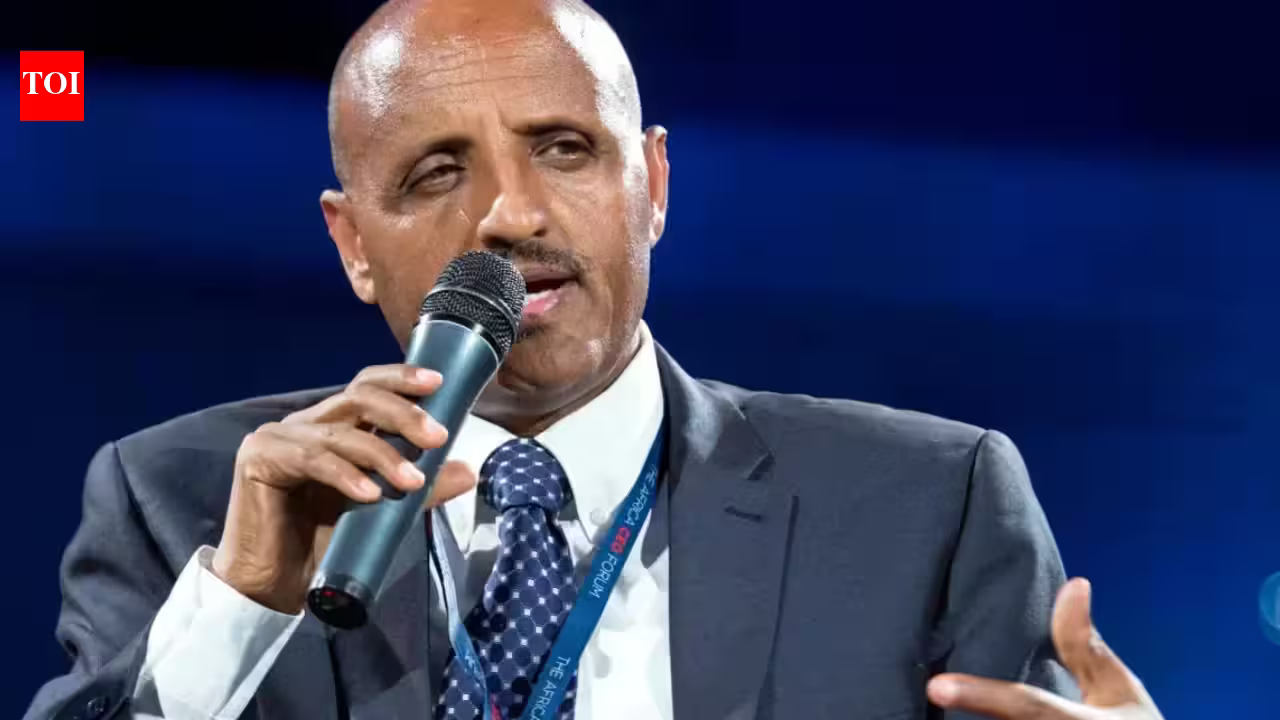
Air India’s journey toward profitability is defined by a three-pronged approach: network restructuring, lowering unit costs, and enhancing passenger yields. The airline’s new chief executive, Tewolde Gebremariam, has been explicit about the firm’s historical inability to capitalize on its potential, noting that the carrier has significantly punched below its weight. To remedy this, the management is focusing on synergy between Air India and its low-cost subsidiary, Air India Express, to eliminate operational redundancies and streamline supply chain processes.
From a financial standpoint, the Indian aviation market presents a complex paradox. While domestic passenger growth is among the highest in the world, airlines operate in a high-cost environment burdened by heavy taxation on aviation turbine fuel and intense pricing competition. Air India’s strategy to regain market share from international carriers is particularly critical. Foreign airlines have historically dominated long-haul routes connecting India to the West and the Middle East. By leveraging its planned wide-body aircraft acquisitions, Air India intends to repatriate this traffic, thereby improving its yield per available seat kilometer.
Governance and Board-Level Accountability
The involvement of the Tata Sons board in operational reviews marks a significant change in how the group manages its recent acquisitions. Following concerns raised by Noel Tata regarding the delivery of major strategic initiatives, the board has instituted a protocol where the heads of business units such as Air India, Tata Digital, and Tata Electronics provide direct briefings on their financial roadmaps. This level of oversight serves as a safeguard against the “delivery gap” that has previously plagued large-scale business transformations.
In the Indian corporate context, this practice of directors visiting operational facilities—such as training academies and operations control centers—reflects a trend toward hands-on stewardship. It bridges the distance between boardrooms and the ground reality, ensuring that capital allocation decisions are informed by the day-to-day challenges of the business. By requiring management to justify operational plans in the presence of directors, Tata Sons is fostering a culture of accountability that is essential for a business as capital-intensive and time-sensitive as aviation.
The Competitive Landscape and Fleet Modernization
Air India is operating in a landscape reshaped by the dominance of low-cost carriers in India and the entrenched capacity of global legacy carriers. To compete, the airline must modernize its fleet to enhance fuel efficiency and provide a passenger experience that justifies a premium. The decision to consider additional wide-body aircraft orders is a direct response to the need for greater capacity on high-demand international routes.
However, purchasing aircraft is only one part of the equation. Success in this sector requires technical excellence in fleet utilization. The airline is currently optimizing its schedule to ensure that aircraft spend more time in the air and less time on the tarmac. By improving aircraft utilization rates and optimizing maintenance turnaround times, the airline aims to lower its fixed cost burden. The challenge lies in executing these improvements while maintaining the quality of service that modern, discerning Indian travelers expect from a full-service legacy brand.
Synergy and the Future of the Tata Aviation Vertical
The integration of Air India with its subsidiaries is vital for achieving economies of scale. By centralizing procurement, maintenance, and distribution, the Tata group intends to build a cohesive aviation ecosystem that can withstand the cyclical nature of the industry. The focus on “synergies” mentioned by the executive team points toward a future where the various arms of the airline group operate as a single unit rather than siloed entities.
Furthermore, the emphasis on digital transformation—evident in the simultaneous scrutiny of Tata Digital—suggests that Air India is looking to capitalize on data analytics to drive dynamic pricing and customer loyalty. In the hyper-competitive Indian market, where price sensitivity is high, the ability to predict demand and tailor offerings will differentiate the leaders from the laggards. The boardroom pressure to deliver is essentially a mandate to transition from a legacy mindset to a data-driven, agile aviation enterprise.
Analytical Outlook for the Aviation Sector
As the Indian aviation sector matures, the focus is shifting from market share volume to value creation. Air India stands at a crossroads; it possesses the brand equity and the backing of a conglomerate with significant financial staying power, yet it must contend with decades of operational inertia. The board’s recent visit is a clear signal that patience for “turnaround narratives” is finite.
Moving forward, the success of this transformation will be measured by the narrowing gap between revenue and operating costs. If the leadership can successfully execute its network restructuring and achieve the anticipated efficiencies, Air India could indeed pivot to profitability. However, this depends on external factors as well, such as the volatility of fuel prices and the global economic outlook. For the Tata group, this experiment in revitalizing a national icon will likely set the precedent for how it manages its other high-stakes ventures. The integration of rigorous financial oversight with aggressive operational goals will determine whether Air India becomes the flagship carrier its potential suggests, or remains a lesson in the difficulty of corporate transformation.
Disclaimer: This content is auto-generated for informational purposes only.
Source: Read Original News