








The development of large-scale open-world games has evolved significantly, moving toward hyper-realistic environments that mirror real-world complexity. In Grand Theft Auto 6, Rockstar Games has introduced an unprecedented density of mechanics. While the game provides foundational tutorials for core combat and traversal, a substantial number of utility shortcuts remain obscured within the interface, awaiting discovery by the user base. For players seeking to master the intricacies of the Vice City ecosystem, understanding these hidden input commands is essential for maximizing efficiency during high-stakes scenarios.
Optimizing Vehicle Interaction Through Input Shortcuts
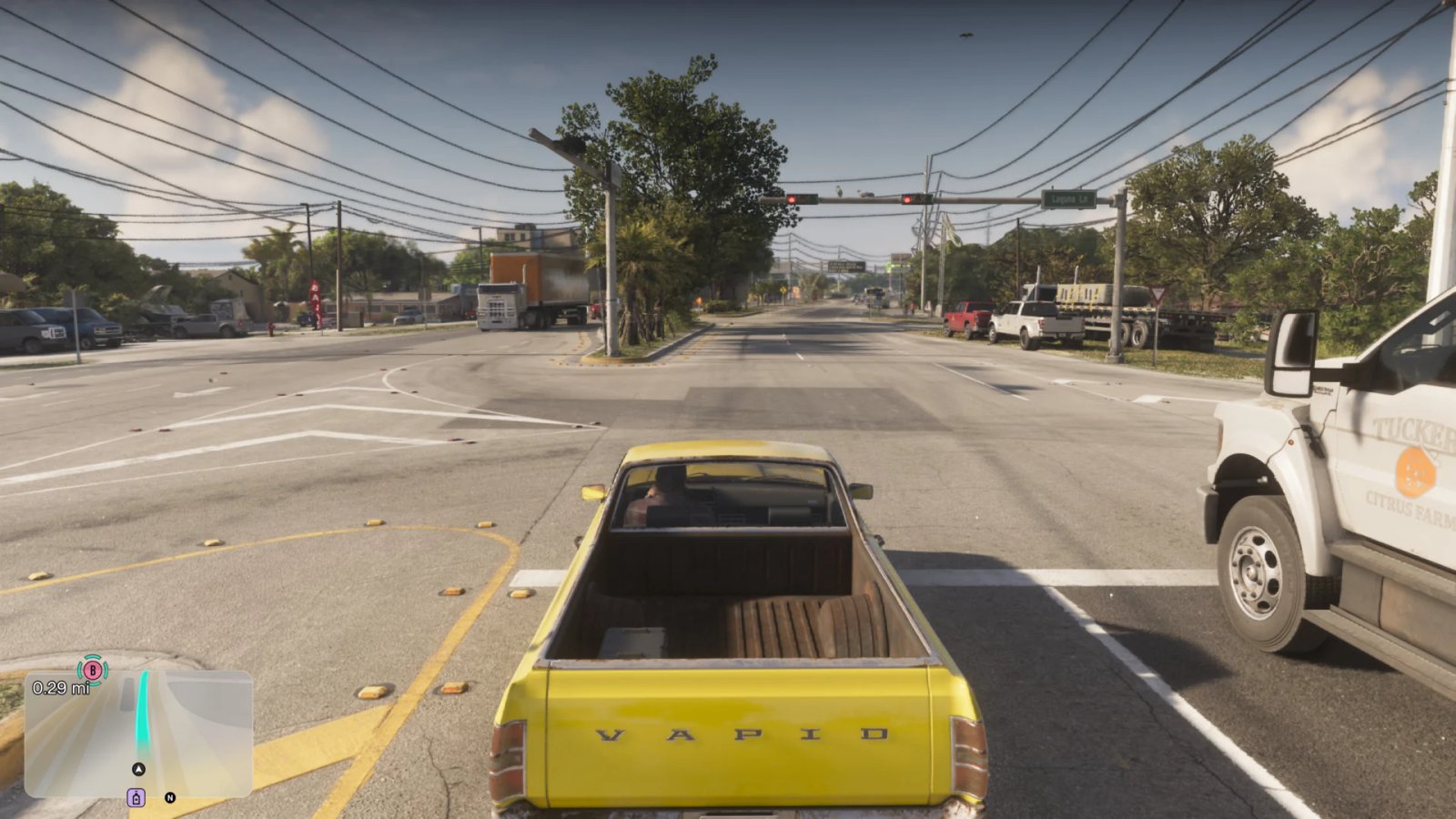
One of the most significant barriers to fluid traversal in open-world titles is the reliance on nested menus. Accessing vehicle configurations—such as lighting systems or audio controls—usually requires interrupting the gameplay loop by opening a secondary sub-menu. In Grand Theft Auto 6, the developers implemented specific double-tap sequences that bypass these UI layers entirely.
For instance, managing the audio landscape of the game is handled through a discreet D-pad command. By double-tapping the left button on the directional pad, players can toggle the vehicle radio on or off instantly. This bypasses the need to navigate the vehicle interaction menu, allowing players to maintain focus on the road or navigation markers. Similarly, the headlight system features a dedicated cycle mechanic. By double-tapping the Circle or B button, depending on the controller layout, the player can cycle through off, low beam, and high beam settings. These shortcuts are particularly useful during nighttime stealth missions or high-speed chases where rapid adjustments to visibility are required without breaking the momentum of the experience.
Advanced Tactical Exits and Movement
Strategic mobility is a hallmark of the franchise, and the latest entry refines how players interact with their environment while in transit. Standard exits from a vehicle typically involve coming to a complete stop and triggering a character animation that cuts the engine. However, the game allows for a tactical “roll-out” maneuver. By double-tapping the Triangle or Y button while the vehicle is in motion, the player can exit the craft while maintaining its current velocity.
This mechanic has several practical applications. It serves as a defensive tool, allowing players to utilize a vehicle as a kinetic projectile before escaping to find cover. Furthermore, the engine remains running in this state, which is advantageous for quick re-entry or for keeping the radio active as a distraction or atmospheric element. The utility of this command extends to maritime navigation as well. When operating a boat, a similar double-tap on the exit button allows the protagonist to rise from the helm and move freely across the deck while the vessel continues to maintain its current heading. This freedom of movement is a technical achievement in fluid dynamics, enabling players to engage in combat or reconnaissance from a moving platform without losing control of the craft.
Road Rage and NPC Interaction Mechanics
The behavior of non-player characters (NPCs) in modern simulations is designed to mirror organic chaos. In the context of the Vice City traffic system, developers have programmed artificial intelligence to replicate erratic driving patterns. To combat the frustration of navigating through dense, unpredictable traffic, Rockstar included a dedicated road rage mechanic. By clicking the right analog stick, players can trigger a verbal interaction with nearby drivers.
While appearing to be a cosmetic feature, this mechanic serves a functional role in clearing pathways or establishing dominance in specific traffic conditions. The inclusion of these hidden inputs highlights a design philosophy that favors discovery over explicit instruction. By leaving such mechanics out of the primary tutorial, the developers encourage players to experiment with the controller, effectively gamifying the discovery of the engine’s deeper capabilities.
The Complexity of Modern Open-World Interfaces
The shift toward minimalist UI design is a growing trend in software engineering. By reducing the number of permanent icons and text boxes on the screen, developers improve immersion, but this often leads to a knowledge gap regarding advanced system capabilities. Grand Theft Auto 6 operates on a highly sophisticated engine that manages hundreds of variables simultaneously—ranging from vehicle physics and lighting states to audio mixing and NPC behavioral states.
For the player, the challenge lies in identifying the command hierarchy. The in-game help menu acts as a repository for these details, yet its sheer scale often means that high-utility shortcuts remain overlooked. These hidden features—ranging from simple radio toggles to complex tactical exits—demonstrate the depth of the interaction model. They also serve as a reminder that in modern game architecture, the difference between an average player and a proficient one is often defined by their knowledge of the underlying, undocumented command structure.
As players continue to dissect the mechanics of this vast digital environment, the value of sharing these technical findings becomes clear. Whether it is manipulating the state of a vehicle to suit tactical needs or navigating the intricacies of local traffic, these control shortcuts are fundamental to engaging with the game at its highest level of proficiency. The ability to manipulate the world through these nuanced inputs turns the game into a more responsive and manageable experience, proving that even in a title as expansive as this, the most powerful tools are often those hidden in plain sight.
Disclaimer: This content is auto-generated for informational purposes only.
Source: Read Original News