








India and Singapore Bolster Defence Ties with Strategic R&D Roadmap
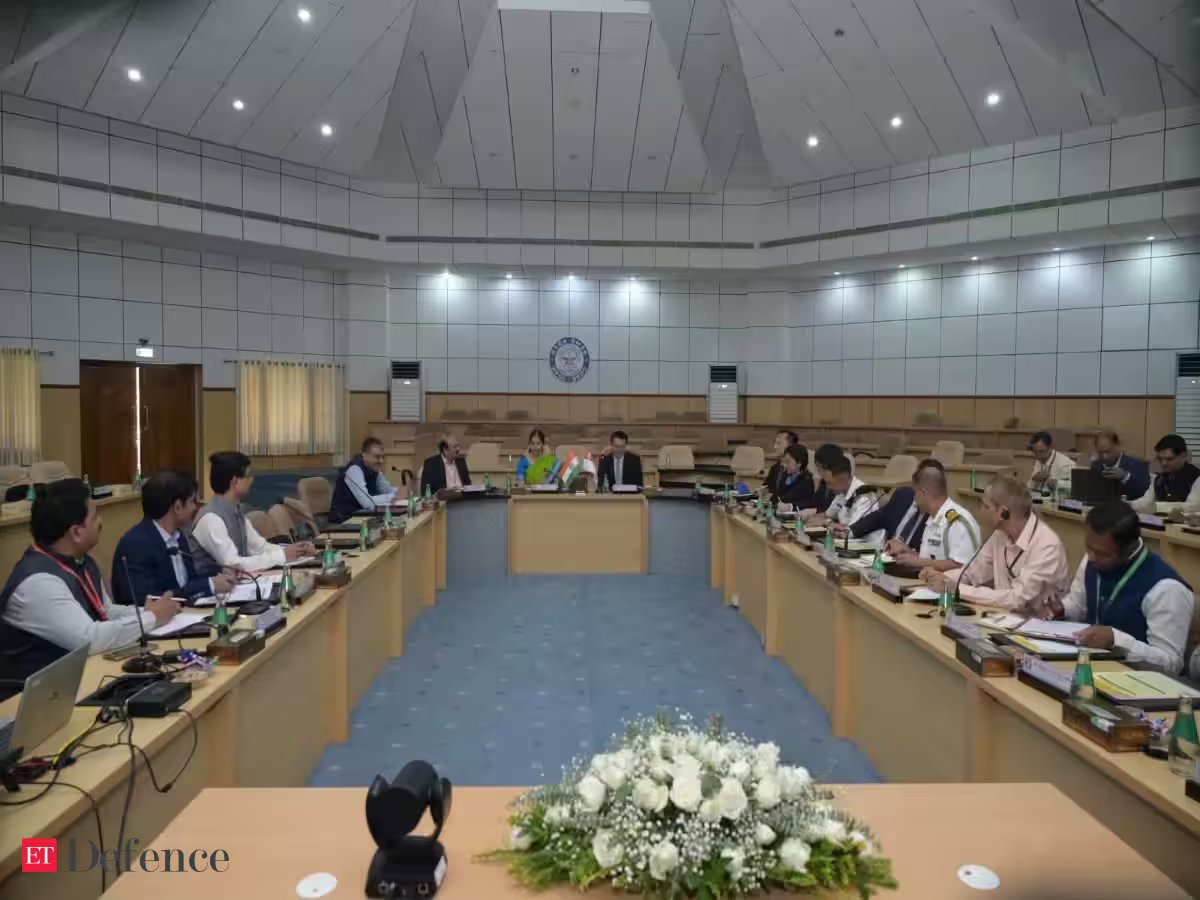
Kochi: India and Singapore have taken a significant step toward strengthening their military-technical partnership, concluding a high-level two-day session of the India-Singapore Defence Technology Steering Committee (ISDTSC). The meeting, held in Kochi on November 18–19, 2026, served as a platform for experts from both nations to align their research priorities and explore collaborative pathways for next-generation warfare technologies.
The deliberations were co-chaired by Dr. Chandrika Kaushik, Director General (Production Coordination & Services Interaction) at the Defence Research and Development Organisation (DRDO), and Brigadier General Yew Chee Leung, Deputy Secretary (Technology) and Future Systems and Technology Architect (FSTA) at Singapore’s Ministry of Defence (MINDEF).
Focusing on Next-Generation Defence Frontiers
The discussions were hosted at the Naval Physical and Oceanographic Laboratory (NPOL), a premier DRDO facility in Kochi. The choice of venue underscored the primary focus of the talks: enhancing maritime security and technological superiority.
Delegates from both sides engaged in technical deep-dives into several critical domains. According to DRDO, the agenda prioritized “Underwater domain awareness,” a vital area for regional maritime security, alongside cutting-edge fields such as quantum technologies, laser systems, and microelectronics. Beyond theoretical research, the committee also explored the mutual utilization of specialized testing facilities, aiming to create a framework where both countries can benefit from reciprocal visits to research hubs to cross-pollinate knowledge and refine their indigenous defence ecosystems.
Strengthening Regional Maritime Cooperation
The ISDTSC meeting is expected to provide a substantial boost to bilateral defence R&D. By formalizing agreements for collaborative projects and information sharing, India and Singapore intend to accelerate the development of sophisticated sensors and electronic warfare systems.
This partnership is part of a broader trend of India’s increased focus on the Indian Ocean Region (IOR). The NPOL, in particular, has become a center of excellence for these initiatives. Earlier this year, in January 2026, the Parliamentary Standing Committee on Defence, led by Radha Mohan Singh, conducted an on-the-spot evaluation of NPOL’s progress. During that visit, lawmakers observed live demonstrations of advanced sonar systems and underwater sensor arrays currently being developed to bolster the Indian Navy’s surveillance capabilities.
A Legacy of Scientific Diplomacy
The collaborative spirit displayed at the ISDTSC meeting aligns with India’s ongoing Sagar Maitri programme. Through this initiative—and specifically its scientific arm, the Marine & Allied Interdisciplinary Training and Research Initiative (MAITRI)—India has been working to foster long-term partnerships with IOR nations. By building capacity in oceanographic research and development, India is effectively positioning itself as a central node for maritime security and collaborative scientific advancement in the region.
As the meeting concluded, both the Indian and Singaporean delegations expressed a commitment to transforming the discussions into tangible outcomes. By syncing their research roadmaps, India and Singapore are not only enhancing their individual defence readiness but are also signaling a deeper, more integrated approach to addressing the complex security challenges of the modern maritime theater.
Disclaimer: This content is auto-generated for informational purposes only.
Source: Read Original News