







Malaysia Initiates Landmark Resettlement Plan for 10,000 Rohingya Refugees to Turkey
In a significant policy shift aimed at addressing the prolonged humanitarian plight of the Rohingya community, the Malaysian government has officially sanctioned a proposal to relocate 10,000 refugees to Turkey. This ambitious initiative marks a new chapter in how the Southeast Asian nation manages the influx of the displaced Muslim minority fleeing systemic persecution in Myanmar.
A Response to Humanitarian Necessity
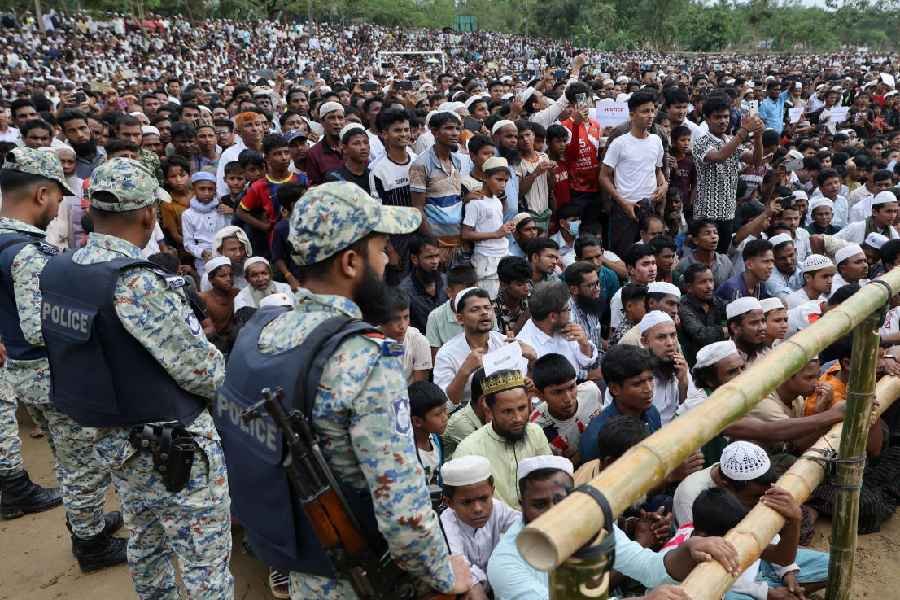
For years, Malaysia has served as a primary destination for Rohingya refugees seeking safety from violence and instability. However, despite the government’s willingness to provide refuge, these individuals have frequently occupied a precarious legal space, lacking formal documentation and access to essential social services. Many families have been forced to survive on intermittent humanitarian aid, living in conditions that remain largely unsustainable.
Deputy Prime Minister Ahmad Zahid Hamidi confirmed the Cabinet’s approval of the resettlement strategy, noting that the decision aligns with mounting international pressure for stronger, more concrete support structures for the Rohingya. By facilitating this transfer, Kuala Lumpur aims to alleviate the mounting domestic pressure on its resources while ensuring that the displaced population finds a more stable environment.
The Turkey Connection
The selection of Turkey as the host nation for this resettlement program is strategic. Ankara has long positioned itself as a global leader in refugee management, historically providing sanctuary to millions of displaced persons from various conflict zones. Turkey’s existing infrastructure for refugee integration is viewed by Malaysian authorities as an ideal framework for the Rohingya, offering a standard of care and legal security that is currently unavailable in the Southeast Asian context.
Diplomatic negotiations are now underway to finalize the logistical requirements of the relocation. Both governments are expected to work closely to ensure that the transition is handled with dignity, focusing on the welfare and long-term integration of the refugees into their new communities. Malaysian officials have emphasized that the movement of these 10,000 individuals will be conducted through official, transparent channels to guarantee the protection of the refugees’ rights.
Global Implications and Advocacy
The initiative has been met with guarded optimism by international human rights organizations and Rohingya advocacy groups. For many, this move represents a long-awaited “durable solution” to a crisis that has spanned decades. Advocates argue that while resettlement does not resolve the root causes of the conflict in Myanmar, it provides an immediate lifeline to those who have suffered the most.
Analysts are closely watching this development, as it could signal a turning point in international humanitarian cooperation. If successful, the collaboration between Malaysia and Turkey may serve as a blueprint for other nations struggling to balance domestic limitations with their international obligations toward displaced populations.
While the logistical complexities of moving such a large group remain significant, the Malaysian government remains committed to the process. For the thousands of Rohingya who have navigated uncertainty for years, this move offers a glimmer of hope—a chance to move beyond the margins of society and into a environment where they can finally begin to build a sustainable, stable future.
Disclaimer: This content is auto-generated for informational purposes only.
Source: Read Original News