







The Evolution of Pokken Tournament and Mechanical Design
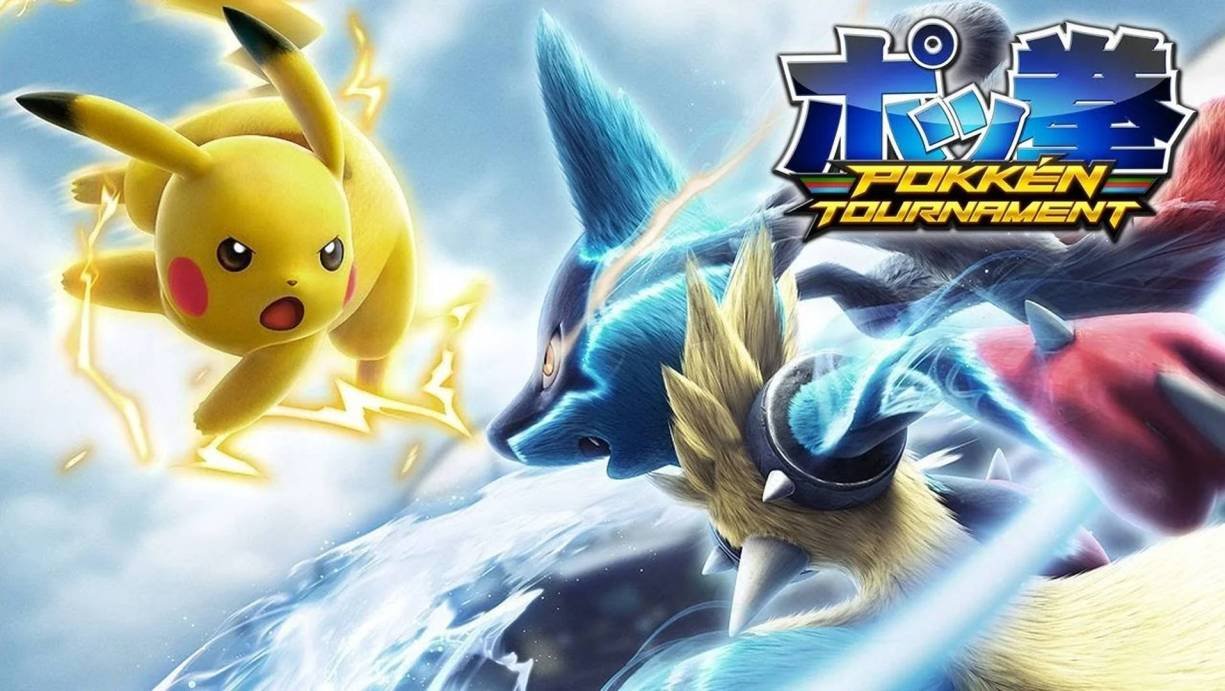
Pokken Tournament remains a standout title in the history of fighting games, representing a unique convergence between the technical prowess of the Tekken series and the extensive catalog of the Pokemon franchise. Produced by Katsuhiro Harada, the game introduced a departure from traditional 2D plane combat by incorporating a dynamic movement system. Recently, Harada shared insights into the development process, clarifying the origins of the game’s core mechanics and revealing missed opportunities regarding the roster.
The game is defined by its Phase Shift System, which transitions players between the Field Phase, utilizing 3D arena movement, and the Duel Phase, which shifts the perspective to a side-scrolling, traditional fighting game format. Harada acknowledged that this innovative system was not his original conception, noting that he had initially envisioned a more traditional, hardcore combat system. The implementation of the Phase Shift was spearheaded by director Haruki Suzaki, formerly of the Tekken Team and now an executive at Creatures Inc. This system was designed to address the inherent difficulty of translating diverse Pokemon move sets into a singular fighting style. By allowing the camera and movement mechanics to shift based on proximity and offensive engagement, the developers successfully captured the essence of both ranged projectile combat and close-quarters melee brawling.
The Balancing Act of Character Selection
Curating the roster for Pokken Tournament required a complex negotiation process between the development team at Bandai Namco and The Pokemon Company. The goal was to select characters that functioned well within a mechanical framework while fulfilling the expectations of a massive global audience. Harada emphasized that while he had personal favorites, the final list of fighters was the result of extensive discussions focused on gameplay utility and franchise representation.
A notable revelation from Harada is his desire to include Pangoro in the roster. Describing Pangoro’s design as distinct and reminiscent of a traditional Japanese school uniform, Harada believed the creature’s aesthetic was perfectly suited for the intensity of a fighting game environment. Despite his enthusiasm, Pangoro ultimately did not make the cut. The roster was eventually populated by a mix of fan-favorite staples like Pikachu and Gengar, alongside more technical combatants like Lucario and Decidueye. The selection process highlights the challenges inherent in game design where personal creative visions often must be reconciled with the technical constraints and branding requirements of a collaborative partnership.
Impact of the Phase Shift System
The Phase Shift System serves as the structural backbone of Pokken Tournament, and its inclusion significantly impacted the game’s accessibility. A purely technical, hardcore fighting system, while appealing to the niche competitive scene, risked alienating a larger audience that expected a more thematic Pokemon experience. By integrating the Field Phase and Duel Phase, the developers created a hybrid system that rewards strategic spacing while providing a familiar experience for fighting game enthusiasts.
In the Field Phase, players focus on long-range projectiles and arena traversal, setting up the conditions to initiate a phase shift. Once a specific damage threshold is reached or a successful combo is landed, the game transitions to the Duel Phase, where the damage potential is higher and the combat becomes more direct. This cycle forces players to master two distinct sets of skills. It effectively creates a pace that mimics the ebb and flow of an actual Pokemon battle, where trainers must manage distance before committing to a decisive strike. This mechanical architecture has been credited with ensuring that the game felt authentic to both the source material and the rigorous standards of the fighting game community.
Growth Through Post-Launch Updates
The longevity of Pokken Tournament was bolstered significantly by its transition from arcades to the Wii U and eventually the Nintendo Switch. The DX version of the game, released for the Switch in 2017, served as a comprehensive refinement of the original vision. This version did more than just port the existing software; it expanded the roster to include characters such as Darkrai, Scizor, Croagunk, Empoleon, and Decidueye. Later downloadable content further expanded the ranks with Aegislash and Blastoise, ensuring the meta remained fresh for competitive players.
Each of these additions was carefully balanced to fit into the game’s existing combat hierarchy. Decidueye, for example, became a popular main for high-level players due to its versatile zoning capabilities and mobility. The ability to iterate on the roster through updates allowed the developers to address feedback regarding character power levels and provide players with new ways to engage with the core systems. This iterative process highlights the importance of post-launch support in the fighting game genre, where character variety is essential to maintaining community engagement over several years.
Future Prospects for the Franchise
While the development of Pokken Tournament concluded its main lifecycle years ago, the conversation surrounding a potential sequel remains active. Bandai Namco has formally expressed an interest in revisiting the project, provided that the necessary alignment from Nintendo and The Pokemon Company is secured. The success of the initial title proved that the Pokemon IP could be successfully integrated into more complex, mechanics-heavy genres without sacrificing its identity.
Any future iteration would likely build upon the lessons learned from the Phase Shift System, perhaps refining the balance between accessibility and technical depth. If a sequel were to materialize, the inclusion of characters previously left on the cutting room floor, such as the once-envisioned Pangoro, could serve as a significant draw for long-time fans. As the gaming landscape evolves, the demand for titles that combine established intellectual property with deep, rewarding combat mechanics remains high. Pokken Tournament stands as a benchmark for how such partnerships can yield results that respect the nuances of both development team expertise and franchise heritage.
Disclaimer: This content is auto-generated for informational purposes only.
Source: Read Original News