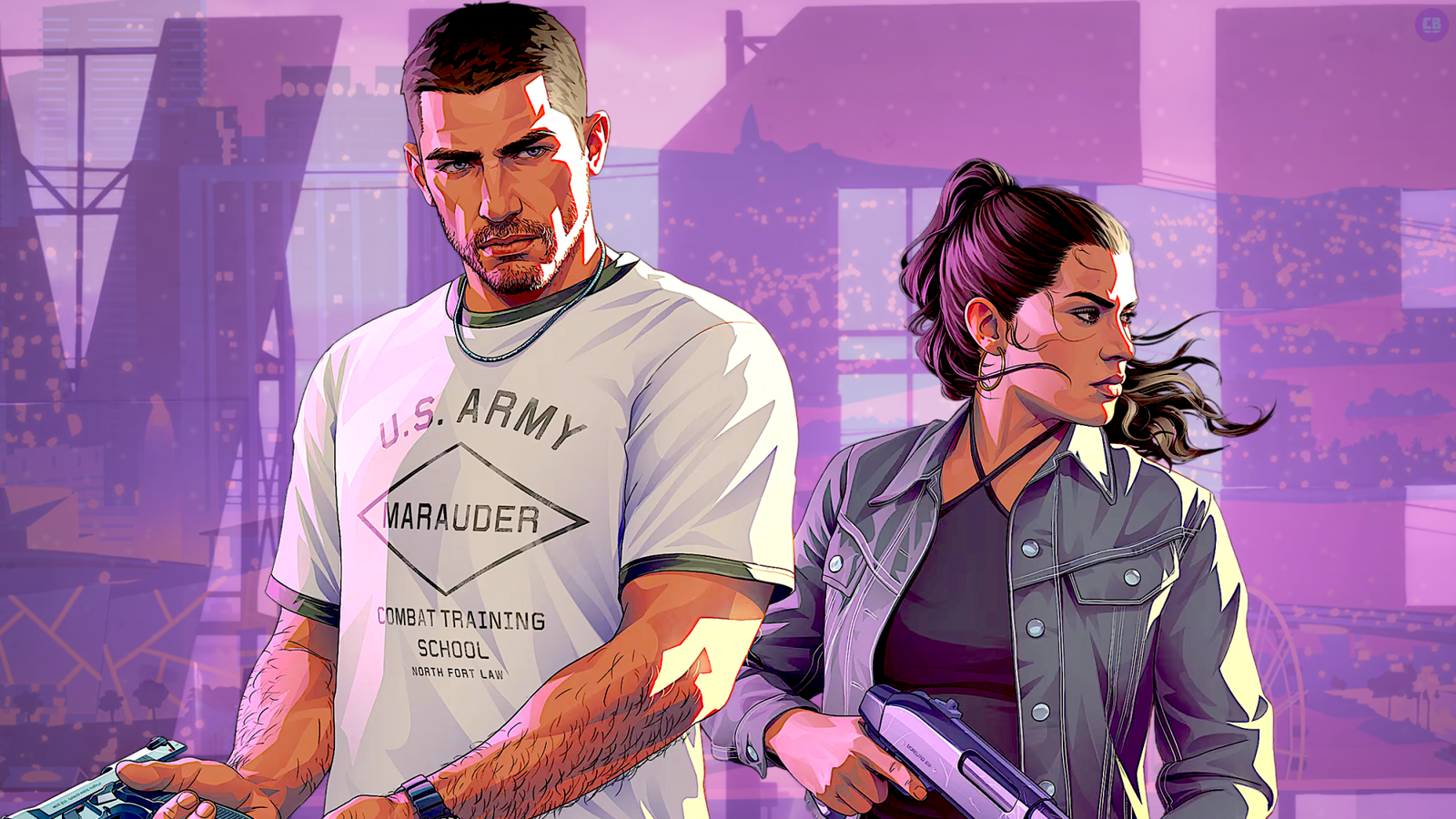










The Technological and Social Impact of GTA VI
The release of Grand Theft Auto (GTA) VI on November 19 has triggered a significant surge in digital consumption, marking a milestone in interactive entertainment. As one of the most anticipated software releases in history, the game leverages advanced hardware capabilities to create an expansive, high-fidelity virtual environment. However, the release has transcended the technical domain of frame rates and graphical fidelity, sparking a widespread conversation about the intersection of immersive media and personal domestic life.
For many, the launch represents a shift in how leisure time is allocated. Social media platforms have been flooded with discussions regarding time-management strategies, with some gamers proactively negotiating “uninterrupted play” periods with their partners. This trend reflects the increasing complexity of balancing high-engagement virtual activities with real-world relationship maintenance.
Technical Realism and Mature Content
Grand Theft Auto VI distinguishes itself through an unprecedented level of detail in its open-world design. The simulation includes sophisticated systems for physics, environmental interaction, and social modeling. Among these features are depictions of adult-oriented environments, satirical portrayals of modern subscription services, and mature narrative content.
From a technical standpoint, the game functions as a sandbox that invites extended engagement. The depth of the simulation—ranging from intricate city planning to detailed character interactions—creates a “stickiness” that encourages long sessions. While these technical achievements are praised by industry critics for their realism, they have also become the primary point of friction for some households. Critics and some domestic observers have pointed to the adult themes within the game as a factor that, when combined with excessive playtime, can shift the focus of a user away from their external environment.
The Perspective on Gaming as a Legitimate Hobby
Industry observers and relationship experts note that the debate surrounding GTA VI is part of a larger, evolving dialogue regarding the legitimacy of gaming as a leisure activity. Historically, video games were often viewed as a fleeting distraction; today, they represent a significant cultural medium comparable to film or literature.
Relationship experts, including Matthew Hussey, suggest that the issue is not necessarily the game itself, but how it is integrated into a lifestyle. When a high-profile release arrives, it functions as a “special interest.” Experts argue that partners who support these interests—much like they would support a hobby in sports or arts—foster a healthier dynamic. The primary concern is not the content or the time spent in the simulation, but rather the failure of the participant to honor commitments or address the needs of their partner.
Navigating Potential Addiction and Disconnection
A key technical and psychological concern involves the “surrogate” nature of modern gaming. Because games like GTA VI are designed to be responsive and rewarding, they can provide a sense of progression and social fulfillment that mimics real-world interaction. This can create a risk where the digital environment begins to displace real-world responsibilities.
Experts warn that when a user becomes more invested in the status of their in-game characters than in their domestic partners, a threshold is crossed. This shift from “hobby” to “surrogate” is where gaming can transition from a benign activity to one that causes genuine distress in a relationship. For single individuals, the absence of an external influence to help moderate play time can further intensify the risk of excessive, isolated gaming sessions.
Constructive Communication Strategies
For couples facing challenges due to the release of this software, the recommended approach is rooted in clear, non-antagonistic communication. Experts suggest that rather than framing the issue as an argument over the game’s content or the concept of gaming itself, the conversation should focus on the maintenance of the partnership as a team.
By articulating that the request for time is based on unmet personal needs rather than a desire to restrict the other person’s hobby, users can often find a middle ground. This collaborative framing helps ensure that the partner playing the game remains conscious of their responsibilities while still enjoying the new software. Ultimately, the successful management of the GTA VI “craze” depends on the ability of the individual to distinguish between the artificial, high-intensity world of the game and the requirements of their real-world social ecosystem. By balancing these demands, players can engage with the technological marvel of the game without compromising the stability of their home life.
Disclaimer: This content is auto-generated for informational purposes only.
Source: Read Original News