









Macroeconomic Drivers Behind the Recent Precious Metal Correction
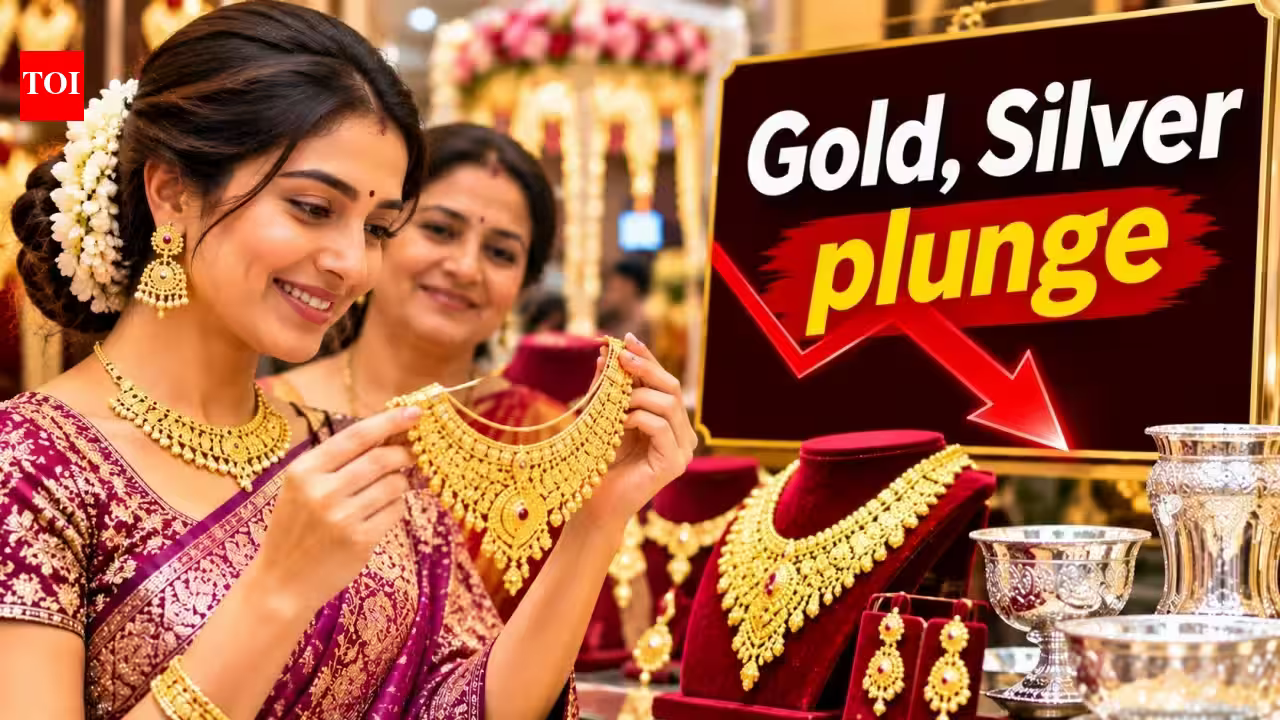
The recent sharp decline in precious metal prices has sent shockwaves through the financial markets, marking a significant departure from the sustained upward trajectory observed over the past several months. On the Multi Commodity Exchange (MCX), gold futures recorded a steep correction of approximately 4.49%, while silver futures faced an even more aggressive sell-off, plummeting by 6.6%. These movements are not isolated events but are deeply rooted in the current global macroeconomic landscape.
The primary catalyst for this downward pressure is the strengthening of the US dollar, which often moves inversely to dollar-denominated assets like gold and silver. This currency appreciation is largely fueled by shifting expectations surrounding the United States Federal Reserve’s monetary policy. Following the release of the October meeting minutes, it has become evident that US policymakers remain committed to a hawkish stance to curb persistent inflationary pressures. The prospect of sustained or even higher interest rates has bolstered US Treasury yields, making non-yielding assets like gold and silver significantly less attractive to institutional investors. As bond yields rise, the opportunity cost of holding precious metals increases, prompting a liquidation of positions that ultimately drives market prices downward.
The Impact on Financial Instruments and ETFs
The volatility observed in the physical commodity markets has permeated the financial ecosystem, specifically impacting gold and silver exchange-traded funds (ETFs). Major players in the Indian market, such as Nippon India, ICICI Prudential, and Quantum, witnessed their gold-related ETFs lose up to 5% of their value in a single session, with many hitting 52-week lows. The performance of silver-backed instruments was even more pronounced, with some funds declining by as much as 6%.
For the Indian investor, this development highlights the intrinsic link between global commodity spot prices and domestic financial derivatives. ETFs serve as a liquid proxy for physical ownership, and when global sentiment sours due to geopolitical or monetary policy developments, these funds reflect the pressure almost instantaneously. While the recent correction may cause short-term distress for those who entered the market at higher price points, it also highlights the systemic nature of global gold and silver pricing. Investors who utilize these ETFs for hedging or wealth preservation purposes must now navigate a period of heightened uncertainty, as the market balances domestic consumer demand against the broader narrative of global liquidity tightening.
Strategic Responses from the Indian Jewellery Sector
In the context of the Indian consumer, the price correction is being viewed through a very different lens compared to the institutional investor. In India, gold is not merely an investment asset; it is a cultural and social imperative, particularly tied to the wedding season. For the jewellery industry, the dip in prices has acted as a catalyst for renewed consumer engagement.
Retail jewellers report a distinct shift in buyer behavior. For mid-range consumers, the price reduction is being met with cautious optimism. At retail firms such as EKARAA Jewellery, observations suggest that while smaller ornamental purchases see marginal budgetary relief, the impact is most profound in high-value segments. Families planning elaborate bridal trousseaus, which often require hundreds of grams of gold, are finding that the price correction translates into significant savings—often enough to cover the making charges or provide room for additional weight in their purchases.
This period of price softening has also transformed the sales cycle. Rather than acting impulsively, sophisticated consumers are utilizing this window to finalize designs, discuss complex customization requirements, and lock in orders for upcoming wedding ceremonies. Industry leaders, including those at Zen Diamond India, anticipate that this momentum will carry through the coming weeks. The consensus among market participants is that the current price levels offer a logical entry point for households that had previously sidelined their buying plans due to the sustained price hikes seen earlier in the year.
Consumer Behavior and the Dilemma of Waiting
A recurring theme in the current retail landscape is the tension between immediate buying and the desire to time the market perfectly. Many households that postponed jewellery purchases during the peak price months are now facing the classic consumer dilemma: whether to capitalize on current rates or wait for a potential further decline.
Industry experts like Yash Kataria of Kataria Jewellers advocate for a pragmatic approach. By encouraging families to prioritize their actual requirements and wedding schedules over speculative timing, retailers are helping customers navigate the current volatility. The danger of waiting indefinitely for a bottom is significant, as the market for precious metals can shift rapidly based on unforeseen geopolitical events or sudden changes in central bank policies.
For the Indian household, the strategy has shifted from passive observation to active procurement. Families are now comparing the utility of their purchases—such as the longevity of gold as an asset class versus the immediate necessity of wedding jewellery—against the backdrop of the latest price adjustments. This behavior underscores the resilience of Indian demand; while high prices may defer purchasing decisions, they rarely extinguish the underlying consumer intent, as gold remains the bedrock of family wealth and ceremonial traditions.
Market Outlook and Future Projections
As the Indian market moves deeper into the peak wedding season, the interaction between domestic demand and global price volatility will continue to be a primary area of focus. If the US Federal Reserve maintains its current trajectory of interest rate management, gold and silver may experience continued resistance, potentially keeping prices at these lower levels for an extended period.
For the Indian jewellery industry, this environment is double-edged. Lower prices facilitate higher volume sales, which is positive for revenue generation. However, the industry remains sensitive to the broader economic health of the country. If the global dollar strength persists, the resulting import costs and macroeconomic tightening could influence local sentiment. Nevertheless, the recent correction provides a much-needed cooling-off period for the market.
In conclusion, the current dip in gold and silver prices represents a critical intersection of global financial policy and domestic cultural demand. For institutional investors, the trend serves as a reminder of the impact of rising bond yields and monetary discipline. For the Indian consumer and the jewellery retail sector, however, it represents a window of opportunity to recalibrate plans and fulfill long-standing wedding requirements. As market participants adjust to this new price regime, the focus remains on balancing tactical buying decisions with the enduring significance of precious metals in the Indian economy.
Disclaimer: This content is auto-generated for informational purposes only.
Source: Read Original News