








The Evolution and Strategic Purpose of the RAC System
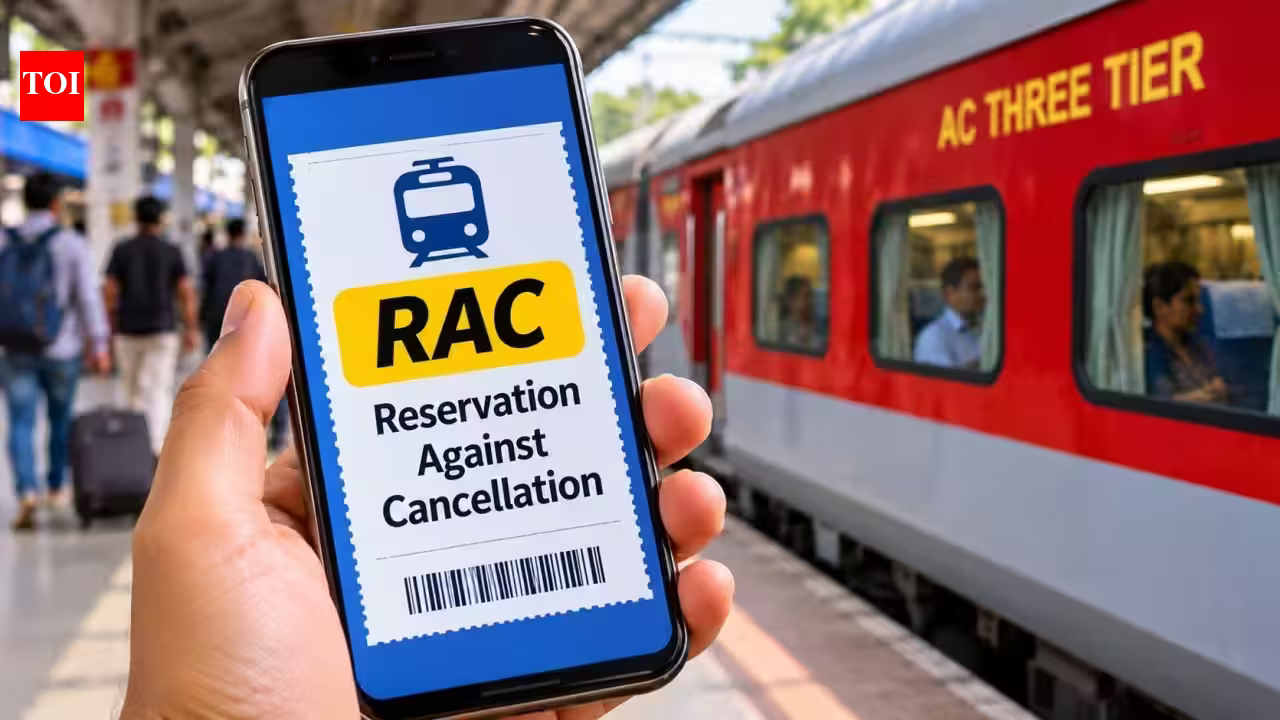
The Reservation Against Cancellation (RAC) system, introduced in the 1983-84 Railway Budget, was a pioneering mechanism designed to address the persistent logistical challenges of the Indian Railways. Before its inception, the process of seat allocation for waitlisted passengers was prone to irregularities and arbitrary decision-making by railway staff. By reserving a fixed quota of berths for waitlisted passengers, the administration created a formal, transparent hierarchy that allowed those at the top of the queue to secure travel space even if they had not received a confirmed berth at the time of booking.
Beyond its role in curbing discretionary seat allotment, RAC functioned as an essential tool for yield management. By converting a single berth into a shared space for two passengers, Indian Railways maximized the occupancy of its coaches, ensuring that every seat contributed to the bottom line. This was particularly crucial in an era defined by manual charts and limited data visibility. Over the decades, the system underwent structural adjustments, most notably in 2016, when the allocation of RAC berths was significantly increased across sleeper and air-conditioned classes. By expanding the capacity for shared occupancy, the government aimed to accommodate higher volumes of passengers without necessarily increasing the number of physical coaches, thereby enhancing the operational efficiency of a strained network.
Digital Transformation and the Redundancy Argument
The current debate regarding the potential abolition of the RAC facility is rooted in the significant digital transformation of the Indian Railways. In the decades following the introduction of RAC, the transition from manual, paper-based charts to Hand-Held Terminals (HHT) has fundamentally altered the landscape of ticket verification. Modern TTEs are now equipped with devices that are seamlessly integrated into the central reservation system. This connectivity allows for real-time updates regarding passenger status.
When a passenger fails to board, the HHT allows the ticket examiner to instantly update the system with a “no-show” or “no-turn-up” status. This digital synchronization ensures that the berth status is updated in the central server, making the vacant seat visible for current booking at subsequent stations. Because this process is now nearly instantaneous, the original administrative reason for RAC—the need for a buffer to manage spontaneous vacancies—has arguably been mitigated by technology. Senior officials within the Ministry now posit that the reliance on RAC is no longer a necessity for operational health. They argue that the infrastructure now exists to allocate confirmed berths to waitlisted passengers via real-time data updates rather than through the semi-confirmed status that RAC represents.
Addressing the Financial Implications of Passenger Cancellations
A critical pillar of the current argument to scrap RAC is the shift in the financial model regarding passenger no-shows. Historically, the railway system faced financial risk if a passenger did not travel, as it was difficult to fill that berth mid-journey. However, the regulatory environment changed significantly in 2015. Under the revised cancellation rules, passengers who do not undertake their journey forfeit the entire fare.
From a business perspective, this policy shift effectively insulates the Indian Railways from revenue loss. Even if a berth remains empty for a portion of the trip, the financial loss is already covered by the forfeit of the original passenger’s ticket. Consequently, the reliance on RAC as a mechanism to minimize financial vacancy is less urgent than it was in the late 20th century. By combining this “no-refund” policy with the digital capabilities of HHTs, the railways can offer those same vacant berths to other passengers at the next station at full fare. This dual-revenue stream—collecting from the no-show passenger and subsequently from a new traveler—demonstrates a more robust financial architecture than the traditional RAC approach, which essentially discounted the value of a berth by forcing two individuals to split the space while paying for a full experience.
Consumer Sentiment and Regulatory Scrutiny
Despite the operational efficiency of the RAC model, it has faced increasing criticism from consumer advocacy groups and parliamentary bodies. The primary grievance centers on the cost-to-utility ratio. Passengers holding an RAC ticket are charged the full fare for a sleeper berth, yet they are entitled only to a seated space for the duration of their journey, or until a vacancy opens up. This disparity between the price paid and the service provided has been a point of contention, particularly as public awareness of service standards has risen in line with the introduction of premium train services like the Vande Bharat.
The Parliamentary Public Accounts Committee (PAC) articulated this concern clearly in its February 2026 report. The committee highlighted the lack of justification for charging full fares to passengers who are not provided with an entire berth. While the committee suggested a partial refund mechanism, the operational complexity of such a system is significant. With ticketing data originating from a vast, heterogeneous mix of physical counters and diverse digital e-commerce platforms, implementing a seamless, automated refund process for RAC status is a logistical challenge. This complexity provides further impetus for the Ministry to consider the outright discontinuation of the category. Moving toward a binary system—where a passenger either holds a confirmed berth or is placed on a waitlist that is cleared through digital reallocation—could simplify both the billing architecture and the consumer experience.
The Road Ahead for Indian Railways
The future of the RAC facility serves as a case study for how legacy policies must be re-evaluated against the backdrop of technological disruption. As the Indian Railways continues its trajectory toward modernization, the focus is shifting toward premium offerings and service quality. The exclusion of RAC from newer rolling stock, such as the Vande Bharat Sleeper trains, signals a clear policy intent. These trains prioritize a consistent, higher-quality passenger experience, which is inherently incompatible with the shared-berth dynamic of the RAC system.
Should the Railway Ministry move forward with scrapping RAC, the impact on the reservation ecosystem would be profound. It would necessitate a more sophisticated waitlist management algorithm, capable of real-time seat allocation to ensure that waitlisted passengers are upgraded as close to their departure time as possible. While this transition would require significant administrative preparation to ensure that waitlisted passengers are not left in limbo, it aligns with the broader goal of streamlining the network. By aligning pricing with utility and leveraging digital connectivity to manage seat availability, the Indian Railways is moving toward a more modern, data-driven operational model. The potential end of RAC is not merely a change in administrative procedure; it is a definitive step toward moving past the constraints of 20th-century manual logistics in favor of a customer-centric, digitally optimized future.
Disclaimer: This content is auto-generated for informational purposes only.
Source: Read Original News