








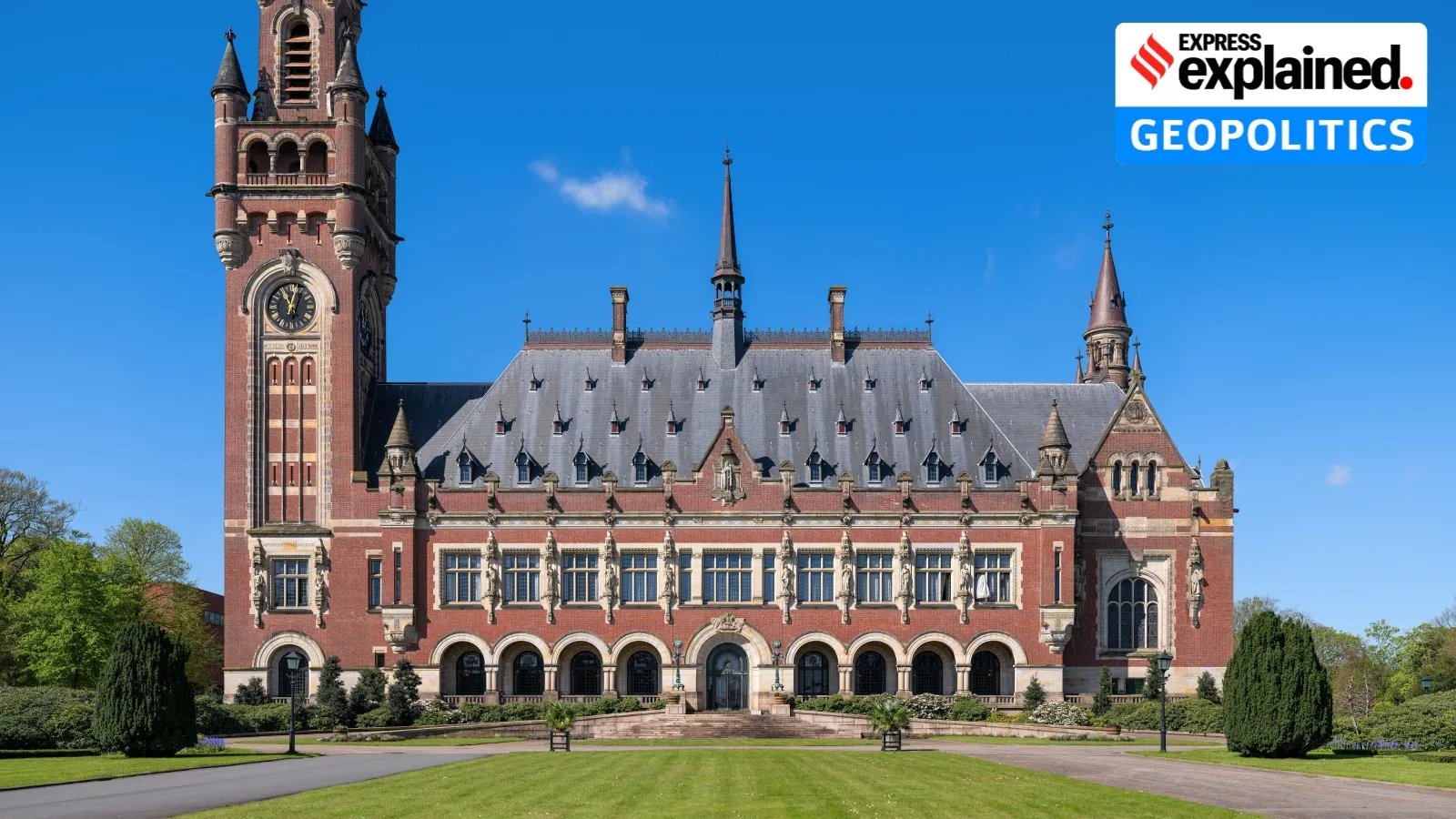
Historic ICJ Verdict: Myanmar Held Directly Responsible for Rohingya Genocide
In a landmark decision that has reshaped international legal precedents, the International Court of Justice (ICJ) has ruled that the Republic of the Union of Myanmar committed genocide against the Rohingya ethnic population in Rakhine State. This verdict, delivered on November 19, marks the first instance in history where a sovereign state has been held directly accountable for genocide, setting a new threshold for global justice nearly eight decades after the Genocide Convention was adopted.
A New Milestone for International Law
For most of the 20th century, international jurisprudence largely focused on individual criminal responsibility. Following the Nuremberg and Tokyo tribunals after World War II, the legal consensus held that crimes against humanity were committed by individuals, not abstract state entities. Even after the 1948 UN Convention on the Prevention and Punishment of the Crime of Genocide was established, the prevailing view remained that states could not be “criminally” liable in the traditional sense.
The ICJ’s ruling in Gambia v. Myanmar challenges this historical divide. While the court has previously adjudicated cases involving the Genocide Convention—most notably regarding the Srebrenica massacre in Bosnia—it had previously limited its findings to a state’s failure to prevent genocide. By establishing direct state responsibility for the actions taken against the Rohingya, the ICJ has bypassed the traditional focus on individual culpability, affirming that a sovereign government can be held to account for the systematic destruction of a group.
The Rigor of the ‘Dolus Specialis’ Test
Proving genocide is notoriously difficult because it requires demonstrating dolus specialis, or specific intent to destroy a group in whole or in part. The court’s evidentiary bar is exceptionally high, requiring that genocidal intent be the “only reasonable inference” that can be drawn from the evidence.
In the case of Myanmar, the court based its judgment on extensive data provided by the UN Independent Fact-Finding Mission and the Independent Investigative Mechanism for Myanmar. The judges meticulously examined the military’s “clearance operations,” the targeted killing of children, and the systematic displacement of communities. Crucially, the court ruled that even if a state claims its actions are part of a counter-insurgency or security strategy, those motives do not automatically negate the presence of genocidal intent.
Implications for Future Global Conflicts
As the world observes this historic shift, legal analysts are looking toward the implications for other high-profile proceedings, including the ongoing case of South Africa v. Israel. Although the ICJ is not a “Court of Record” and its rulings are legally binding only between the parties of the specific case, the interpretive framework established in the Myanmar verdict is significant.
The Myanmar ruling highlighted the destruction of childhood as a foundational element in establishing intent. With reports from the UN regarding the staggering death toll of children in Gaza—where numbers have reached tens of thousands—legal experts suggest that the evidentiary patterns analyzed in the Myanmar case provide a clear roadmap for how the court may approach the complexities of the Gaza conflict.
While the 9-6 split among the judges underscores that international consensus on state responsibility remains fragile, the verdict proves that the ICJ is increasingly willing to look beyond state-sanctioned narratives of “security” to uncover the underlying intent behind mass atrocities. This development ensures that the legal mechanisms established by Raphael Lemkin over 80 years ago are evolving to meet the brutal realities of modern conflict.
Disclaimer: This content is auto-generated for informational purposes only.
Source: Read Original News