






ANTALYA — Global climate efforts have been plunged into crisis after the UN climate summit in Turkey concluded in total failure, with world leaders departing without a deal following a chaotic, hours-long standoff.
The collapse of the summit occurred on Sunday afternoon, a staggering 44 hours after its official closing time. The impasse was triggered by a controversial final draft put forward by the joint Australian and Turkish presidency, which conspicuously omitted any explicit mention of fossil fuels—the primary driver of global warming.
The breakdown marks the first time UN climate talks have failed to produce an adopted deal since the landmark Copenhagen summit in 2009.
Tensions reached a breaking point during the final hours of the summit in Antalya, as the European Union and a bloc of allied nations stood firm against the draft. Ireland’s climate minister, Darragh O’Brien, speaking on behalf of the 27-nation EU, delivered a scathing rebuke of the proceedings.
“We will not endorse a cover decision that does not even mention fossil fuels, which is the key driver of climate change,” O’Brien stated. He further accused the process of being “hijacked by some oil states,” noting that major producers including Russia and Saudi Arabia had aggressively lobbied for the exclusion of any language targeting oil, gas, or coal.
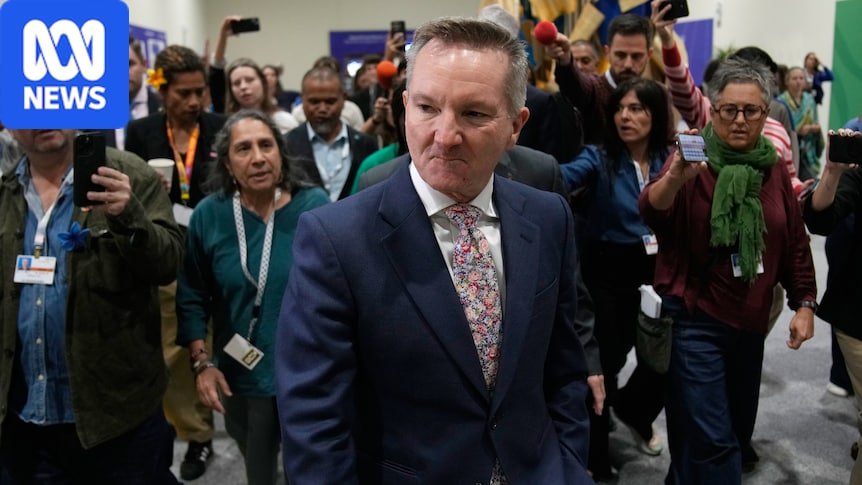
Australian Climate and Energy Minister Chris Bowen, who co-chaired the summit alongside Turkey’s Murat Kurum, expressed deep frustration as the talks disintegrated. “The result is very disappointing,” Bowen told reporters after he and Kurum confirmed they would not submit an alternative version of the agreement.
The draft proposal had been met with immediate hostility for its reliance on oblique references to past climate agreements rather than direct action. It also sparked significant debate for its focus on carbon capture and storage technology—a solution heavily favored by the fossil fuel industry but viewed with skepticism by many climate scientists and environmental groups who argue it serves as a distraction from the urgent need to decarbonize.
The atmosphere in the final hours was described as frantic and dysfunctional. Negotiators were given a mere three-hour window to propose amendments to the controversial draft before it was set to be finalized. As the summit entered “double overtime,” delegations began to abandon the conference center, sparking concerns that a quorum would be lost entirely.
While a significant number of nations expressed a willingness to accept the deal for the sake of reaching a consensus, the move required near-unanimous agreement. With the EU and its allies refusing to back down, the summit ended without a formal, binding pact.
The failure at Antalya leaves the international climate agenda in limbo, casting a long shadow over future negotiations and raising serious questions about the influence of petrostates within the UN process. As delegates evacuate the Turkish city, the international community faces the sobering reality of a fractured global response to a rapidly warming planet.
Disclaimer: This content is auto-generated for informational purposes only.
Source: Read Original News