




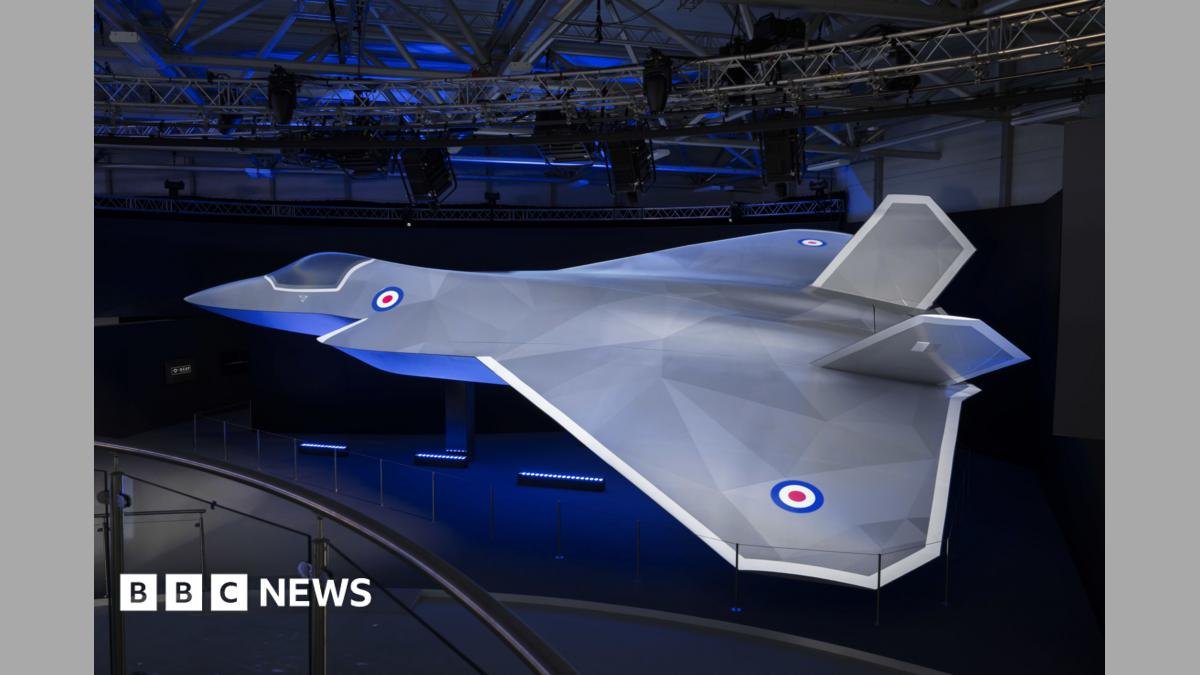
The Royal Air Force (RAF) is preparing for a radical transformation of the skies, with its top commander signaling that the era of the crewed fighter jet is rapidly drawing to a close. Air Chief Marshal Sir Harv Smyth has declared that the Global Combat Air Programme (GCAP)—a sophisticated sixth-generation fighter project—is likely the final crewed combat aircraft the United Kingdom will ever build.
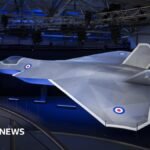
The GCAP project, a landmark trilateral partnership between the UK, Italy, and Japan, aims to bring the advanced fighter, colloquially known as “Tempest,” into service by 2035. While the aircraft will feature cutting-edge stealth, high-speed capabilities, and advanced sensory suites, it stands at the crossroads of aviation history. Writing in The Telegraph, Sir Harv noted that rapid advancements in artificial intelligence (AI) and autonomous systems have fundamentally altered the requirements of air combat.
“The GCAP aircraft is perhaps the last crewed fighter we will ever build,” Sir Harv wrote. “This is not because people have become less important, but because technology is shifting the nature of air combat.”
According to the Air Chief Marshal, the transition is driven by a tactical necessity: protecting human pilots. Future warfare will see uncrewed, AI-enabled platforms take on the most high-risk missions, shielding human personnel from the most dangerous theaters of operation. However, Sir Harv was careful to address ethical concerns, stressing that while AI will assist in complex environments, the integration of technology must act as an extension of human judgment rather than a replacement for human accountability.
The shift toward autonomy is already underway. Sir Harv confirmed that uncrewed fighter jets are scheduled to begin test flights in UK airspace as early as next year, marking a significant milestone in the modernization of the RAF. For the immediate future, the service plans to operate a “mixed fleet,” integrating existing platforms like the Typhoon and F-35 with new, autonomous systems.
The GCAP project continues to gain momentum. In July, the three participating nations finalized a £4.6bn contract to advance the design phase through the industry joint venture Edgewing. The initiative has become a pillar of the UK’s aerospace sector, currently supporting approximately 3,500 jobs and 1,000 apprenticeships. International interest is also growing; Canada was recently granted “observer nation” status, and Prime Minister Andy Burnham has indicated that the UK is actively seeking to include Germany in the partnership.
As the international coalition moves toward the 2035 deployment target, the military’s focus is clearly on a future where machines take the lead. By leveraging AI to navigate the mounting pressures of modern combat, the RAF is betting that the ultimate advantage in the next generation of warfare will be found not in the cockpit, but in the software driving the fleet.
Disclaimer: This content is auto-generated for informational purposes only.
Source: Read Original News