







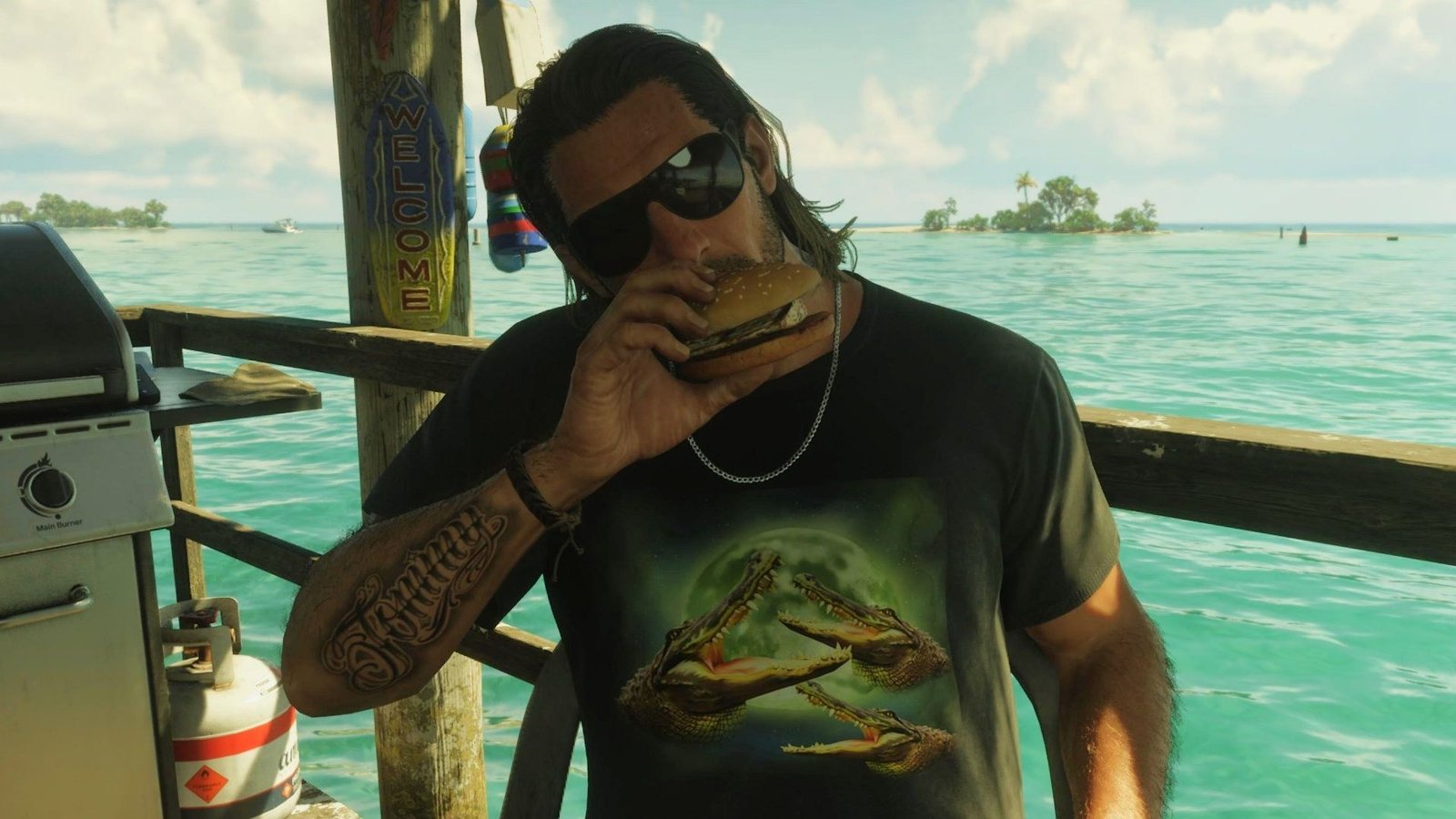
The digital landscapes of modern open-world gaming have reached a level of fidelity that rivals reality, but for the artists behind these massive virtual environments, the experience of “playing” a game they helped build is often complicated by their professional training. David O’Reilly, a veteran environment artist who spent 12 years at Rockstar Games working on Red Dead Redemption 2, Grand Theft Auto 5, and the recently released Grand Theft Auto 6, is now pulling back the curtain on how these vast digital spaces are constructed.
Through his YouTube channel, Game World Art, O’Reilly has spent the past year and a half analyzing the environmental design of various titles. Following the launch of GTA 6, he provided his first impressions of the game’s world, offering a unique perspective that blends the critical eye of an industry professional with the genuine appreciation of a player.
O’Reilly was quick to clarify that his content is not an “insider” exposé on the specific development workflows at Rockstar. Instead, he positions his channel as a way for viewers to interpret environmental art through the lens of someone who understands the technical constraints, design hurdles, and creative intent required to build such expansive worlds.
One of the most notable aspects of his commentary is the shift in his relationship with the games he produces. During his tenure at Rockstar, he noted that it was difficult to fully lose himself in games like Red Dead Redemption 2 or GTA 5 because his brain remained in “work mode,” perpetually scanning for technical inconsistencies or architectural design choices. Since leaving the studio in 2023, however, he has found the necessary distance to enjoy the final product.
In his analysis of GTA 6, O’Reilly described the environmental art as “generally stunning” and “almost flawless.” He offered a comparative note against other modern open-world titles, suggesting that the visual fidelity in GTA 6 surpasses that of Crimson Desert, which he felt was occasionally hindered by what he termed “slight jankiness.”
Despite his high praise, O’Reilly’s professional background remains front and center in his critiques. His self-described “obsession” with the design of natural water features—a specialty he focused on during his time working on the rivers of Red Dead Redemption 2—led him to admit a personal preference for the river mechanics in his former project over those in GTA 6. It is a subtle reminder that even in a title as grand as GTA 6, the world is the sum of countless individual contributions from artists with varying specializations.
Ultimately, O’Reilly’s critique reflects a broader sentiment of pride. He acknowledged the collaborative nature of game development, noting that for a project of such immense scale, it is difficult for any single individual to claim credit. Instead, his focus is on celebrating the collective achievement of his former colleagues. As GTA 6 continues to reach millions of players, O’Reilly’s commentary offers a rare window into the technical dedication required to render the virtual world, emphasizing that the “flawless” environments players take for granted are the result of years of meticulous craftsmanship.
Disclaimer: This content is auto-generated for informational purposes only.
Source: Read Original News