







Modi’s Gold Appeal: Trade Body Credits PM for Protecting Investors from Market Volatility
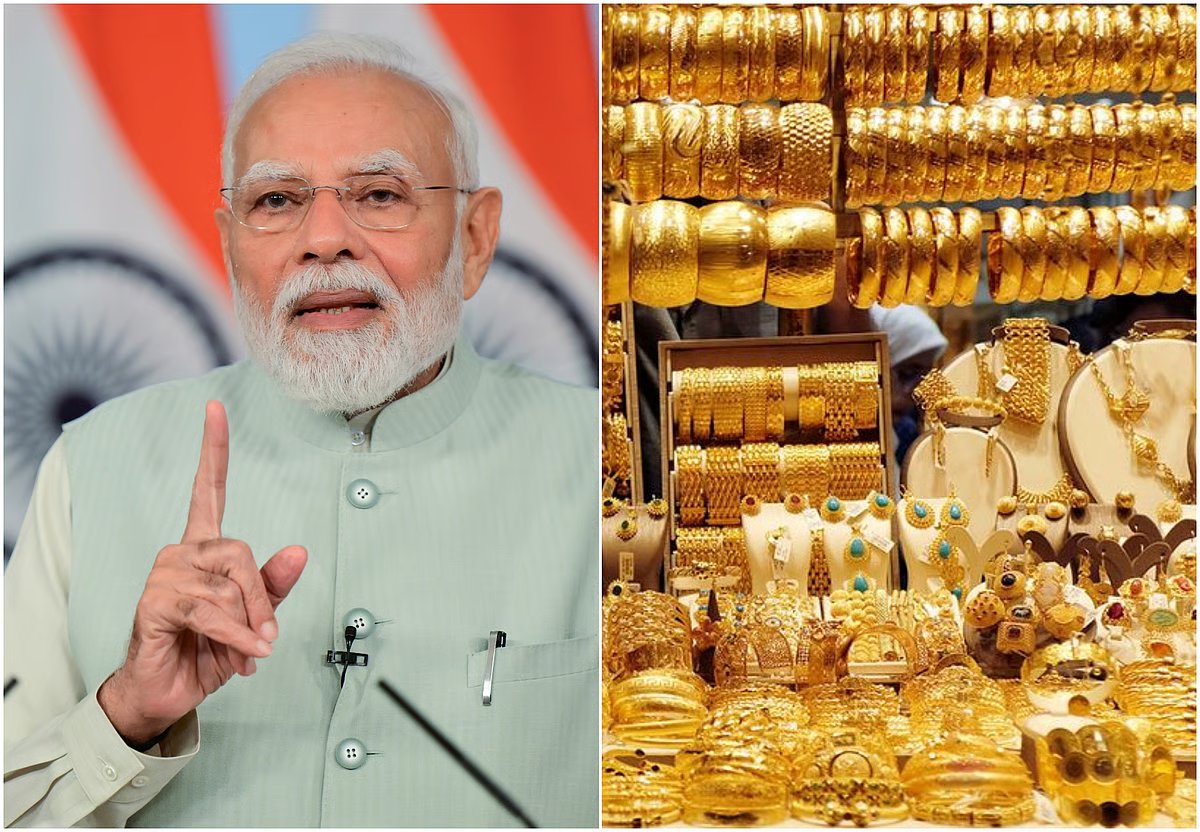
In a notable convergence of economic policy and public sentiment, Prime Minister Narendra Modi’s recurring appeals for citizens to exercise restraint in gold purchases have garnered praise from the trading community. The Chamber of Trade and Industry (CTI) recently penned a letter to the Prime Minister, asserting that his advice—first issued in May and reiterated in September—played a crucial role in shielding both investors and small-scale traders from significant financial losses as gold prices experienced a downward trend.
A Call for Economic Prudence
Back in May, Prime Minister Modi had urged the public to reconsider unnecessary gold consumption for a year. At the time, he highlighted the growing pressure on India’s foreign exchange reserves, exacerbated by volatile crude oil prices linked to the escalating conflict in West Asia. Drawing a parallel to the historic 1965 food shortage, when former Prime Minister Lal Bahadur Shastri famously asked citizens to forgo one meal to conserve resources, Modi suggested that collective restraint could have a meaningful impact on the national economy.
Reflecting on the success of this appeal, the Prime Minister noted that many citizens have since shared their relief with him, stating that his advice encouraged them to avoid premature buying, ultimately allowing them to preserve their savings as market prices corrected.
Traders See Significant Savings
The impact of this cooling demand has been corroborated by the CTI. In a letter dated November 22, signed by chairman Brijesh Goyal and other senior officials, the body expressed gratitude to the Prime Minister. According to their data, gold prices dropped from approximately ₹19 million per kg at the time of the initial appeal to nearly ₹12.5 million per kg by late November.
The CTI highlighted that this ₹6.5 million per kg decline proved to be a major boon for the industry. Jewellers, who typically maintain inventory for several months, could have faced catastrophic losses had they stocked up at the peak prices seen earlier in the year. Furthermore, the organization noted that the price correction provided much-needed relief to families planning for the peak Indian wedding season.
Market Dynamics and Official Data
While the Prime Minister’s appeal acted as a powerful psychological trigger for consumer behavior, experts note that the decline in gold prices and imports is the result of a complex interplay of variables. Alongside reduced consumer demand, the government’s decision in May to hike import duties on gold and silver from 6 percent to 15 percent acted as a significant regulatory deterrent. Official government statistics bear this out, showing a nearly 40 percent year-on-year contraction in India’s official gold imports between April and October. Global market fluctuations and shifting international gold rates have also contributed to the ongoing price trends.
Political Fallout Over Economic Advice
The validation from the CTI has ignited a fresh political debate. The Bharatiya Janata Party (BJP) has seized the moment to demand an apology from the Congress party, recalling how the opposition had previously labeled the Prime Minister’s appeal a “death warrant” for the bullion trade.
BJP spokesperson Pradeep Bhandari took to social media to assert that the traders who heeded the Prime Minister’s counsel had successfully protected their capital. He argued that the Congress party’s earlier criticism was an attempt to incite panic and that the party now owes an apology to the trading community for misrepresenting the economic intent behind the call for moderation. As the discourse continues, the episode underscores the unique influence of public leadership on India’s massive, sentiment-driven gold market.
Disclaimer: This content is auto-generated for informational purposes only.
Source: Read Original News