









The Intersection of Generative AI and Game Development Integrity
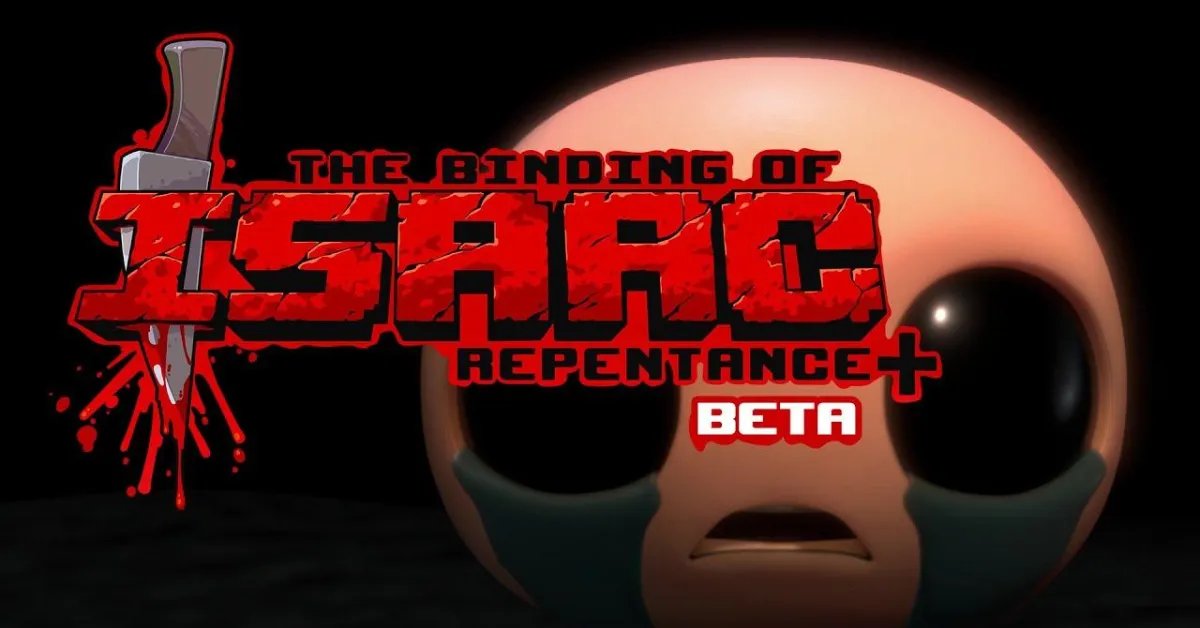
The recent controversy surrounding The Binding of Isaac: Repentance Plus serves as a significant case study on the friction between emerging generative technologies and the established expectations of the gaming community. When a specific section of the game—a parody sequence referencing Grand Theft Auto—was found to contain audio tracks generated by Suno AI, it triggered an immediate and widespread reaction from the player base. This incident highlights the technical and ethical complexities developers face when integrating third-party content into complex software projects.
For developers, the allure of generative AI lies in its capacity for rapid iteration. By inputting textual prompts into models like Suno, creators can generate musical compositions in seconds, a process that historically required days of studio time, hiring human composers, and navigating copyright clearances. However, this convenience comes with substantial risks, particularly regarding transparency and artistic provenance. In the case of Repentance Plus, the inclusion of these files without a clear provenance trail or developer disclosure violated the core trust between the studio and its audience.
Understanding Valve’s Disclosure Mandates
The inclusion of undisclosed artificial intelligence in software is no longer a localized issue; it is now a matter of regulatory compliance within the Steam ecosystem. Valve, the operator of the Steam platform, has implemented strict guidelines requiring developers to explicitly disclose the use of generative AI in their products. These requirements serve a dual purpose: they protect Valve from potential legal disputes regarding copyright infringement, and they ensure that customers remain informed about the nature of the software they are purchasing.
The disclosure process involves a survey that developers must complete before publishing or updating their titles. It asks whether the AI is used in the creation of art, code, or audio, and specifically mandates a declaration of whether that AI was trained on copyrighted material. By failing to account for the AI-generated music within the game’s assets, the developers effectively bypassed these safety protocols. This omission led to a direct conflict with platform standards, leaving the game vulnerable to the enforcement actions seen in the wake of the community outcry.
The Technical Discovery Process
The identification of the AI-generated assets was not the result of a platform audit, but rather the diligent work of the player community. Fans scrutinized the game’s local installation files and discovered metadata signatures embedded within the audio files that traced back to Suno AI’s hosting infrastructure. In digital forensics, metadata acts as a digital fingerprint. AI platforms often insert specific tags or distinct structural artifacts into the files they export to differentiate them from human-produced media.
When players began cross-referencing these files, they identified patterns consistent with AI synthesis—specifically, rhythmic inconsistencies and harmonic textures that characterize certain generative models. Once these files were linked to the Suno repository, the evidence became undeniable. This technical verification process illustrates a growing trend where users possess the tools and the technical literacy to audit the games they play. The transparency of digital distribution platforms allows for this level of deep inspection, meaning that any reliance on generative automation without proper acknowledgment is highly likely to be exposed by the community.
Developer Responsibility and Institutional Oversight
The response from series creator Edmund McMillen underscored the complexities of modern game production, where large projects often involve multiple external contributors and outsourced assets. McMillen claimed he was unaware that the specific audio files in question were generated via AI, suggesting a failure in the communication pipeline between the development studio, Nicalis, Inc., and the creative leads.
This situation reveals a critical vulnerability in the current development landscape: the lack of rigorous asset verification. When studios work with external contractors or decentralized teams, there is an implicit assumption that delivered assets are original works produced through traditional human creativity. If a contractor utilizes generative tools to fulfill a deadline without the studio’s permission or knowledge, the primary developer assumes the liability. For larger studios, this necessity for vetting requires implementing new quality assurance workflows that specifically screen for synthetic media, ensuring that all third-party submissions meet intellectual property and platform policy standards.
The Aftermath and the Future of AI in Gaming
Following the public discovery, Nicalis acted swiftly to purge the unauthorized files from the game, replacing them with original, human-composed alternatives. While this technical correction addressed the immediate grievance, the long-term impact on the product’s reputation remains to be seen. The review-bombing event signifies that the gaming audience remains highly skeptical of AI integration, particularly when it is implemented covertly.
For the industry, the lesson is clear: the integration of generative AI is a high-stakes decision that necessitates absolute transparency. If a studio decides to use these tools, the disclosure must be proactive rather than reactive. The community’s reaction indicates that players do not merely evaluate a game on its mechanical quality, but also on the values and methods behind its production. As AI technology continues to advance, the distinction between human-authored content and machine-generated output will become increasingly blurred, making the verification process a core pillar of studio integrity. Moving forward, developers must navigate a landscape where they are held accountable for every line of code and every second of audio, regardless of who or what produced it.
Disclaimer: This content is auto-generated for informational purposes only.
Source: Read Original News