






Understanding Sleep Metrics and Wearable Technology
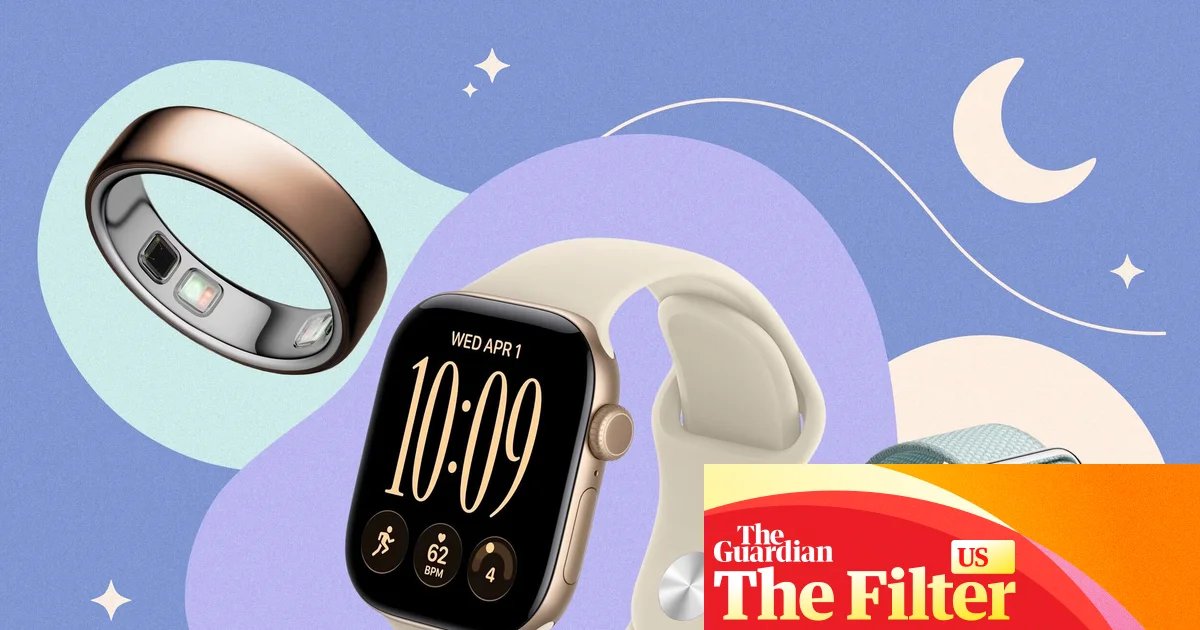
Achieving quality rest is as significant as the duration of your slumber. While waking up refreshed provides a subjective sense of success, modern wearable devices offer the technical data needed to quantify what happens during the night. Smartwatches, dedicated smart bands, smart rings, and specialized sleep earbuds function by monitoring physiological indicators such as heart rate, heart rate variability (HRV), oxygen saturation (SpO2), and movement patterns.
By collecting this information, users can identify correlations between their daily habits and sleep outcomes. For example, data might reveal that a late-evening caffeine intake delays sleep onset or that physical exercise later in the day improves restorative deep sleep stages. This granular visibility allows individuals to make informed adjustments to their daily routines. As with many data-driven health initiatives, the principle remains clear: access to precise metrics provides the necessary foundation for improving long-term health outcomes.
Criteria for Evaluating Sleep Trackers
In evaluating modern sleep wearables, testing methodology centers on longitudinal data comparison against established benchmarks. For this analysis, the Oura Ring 5 served as the primary benchmark. Its data, which aligns closely with clinical polysomnography—the gold standard for sleep laboratory analysis—provides a reliable baseline for comparing sleep stages, latency, and recovery metrics.
Testing involved wearing multiple devices simultaneously for at least one week each to determine consistency. Beyond simple data accuracy, evaluation criteria included physical design, such as comfort during overnight wear, and battery life, which is critical for continuous monitoring. Ease of navigation within companion applications also played a pivotal role in the assessment, as the utility of a device is diminished if the interpreted data is difficult to access or act upon.
Top Selections for Comprehensive Tracking
The market for sleep technology has matured, with several devices standing out for specific user needs. The Oura Ring 5 remains the premier choice for those seeking the most accurate overall tracking in a minimal form factor. Its lightweight titanium construction makes it unobtrusive during sleep, while the companion application offers sophisticated insights into “sleep debt” and physiological recovery.
For users seeking a budget-friendly alternative without a screen, the Fitbit Air provides surprisingly accurate metrics, often mirroring the performance of premium devices regarding total sleep time and heart rate monitoring. Although it requires a subscription for deeper analytics, its passive tracking style makes it an excellent, low-distraction choice. For those embedded in specific ecosystems, the Apple Watch Series 12 continues to be the definitive choice for iPhone users, combining robust sleep tracking with advanced health sensing, while the Google Pixel Watch 5 serves as the equivalent high-performance option for Android enthusiasts, providing integration with AI-based coaching.
Subscription-Free and Long-Battery Alternatives
A recurring challenge with modern health wearables is the requirement for monthly software subscriptions to access granular data. The Garmin Cirqa addresses this by offering a comprehensive experience that requires no ongoing fee to access key performance metrics. While the device features a slightly more prominent design than a ring, it is highly effective at tracking activity alongside sleep and provides useful insights into circadian rhythms, making it an excellent choice for individuals who prefer a one-time hardware purchase.
For users who prioritize battery longevity, the RingConn Gen 3 offers a compelling solution with a 14-day battery life per charge. This extended duration reduces the frequency of needing to remove the device for power, ensuring more consistent data collection. While some rings struggle with distinguishing between quiet wakefulness and light sleep, the RingConn Gen 3 excels in reporting total sleep duration and fundamental recovery markers.
The Role of Sleep-Specific Earbuds
While smart rings and watches excel at biometric monitoring, sleep earbuds offer a distinct utility. These devices do not typically provide the same level of accuracy regarding heart rate or oxygen saturation as wrist-worn or finger-worn sensors. However, they serve a functional purpose as sleep aids. Products like the Anker Soundcore Sleep A30 and Ozlo SleepBuds 2 prioritize noise masking and the playback of calming audio to mitigate environmental disruptions, such as snoring partners or traffic.
They provide useful data on sleep duration and positional movements, which can be beneficial for those who find traditional wearables uncomfortable or who specifically require assistance in managing their sleep environment. While they may not be the primary tool for clinical-grade sleep analysis, they remain a valuable component of a holistic strategy for better rest.
Impact of Informed Sleep Habits
The ultimate goal of using these technologies is not merely to amass data, but to facilitate behavioral change. Modern applications have transitioned from passive loggers to interactive assistants. Through the integration of AI coaches and trend analysis, these devices help users pinpoint specific triggers for poor sleep quality. Whether the issue is inconsistent timing, alcohol consumption, or environmental factors like room temperature, the feedback loops provided by these wearables act as a catalyst for healthier lifestyle choices. By systematically refining daily habits based on accurate data, users can effectively close the gap between their current rest patterns and their actual physiological needs.
Disclaimer: This content is auto-generated for informational purposes only.
Source: Read Original News