








India and Canada Advance Trade Ties with Sixth Round of CEPA Negotiations
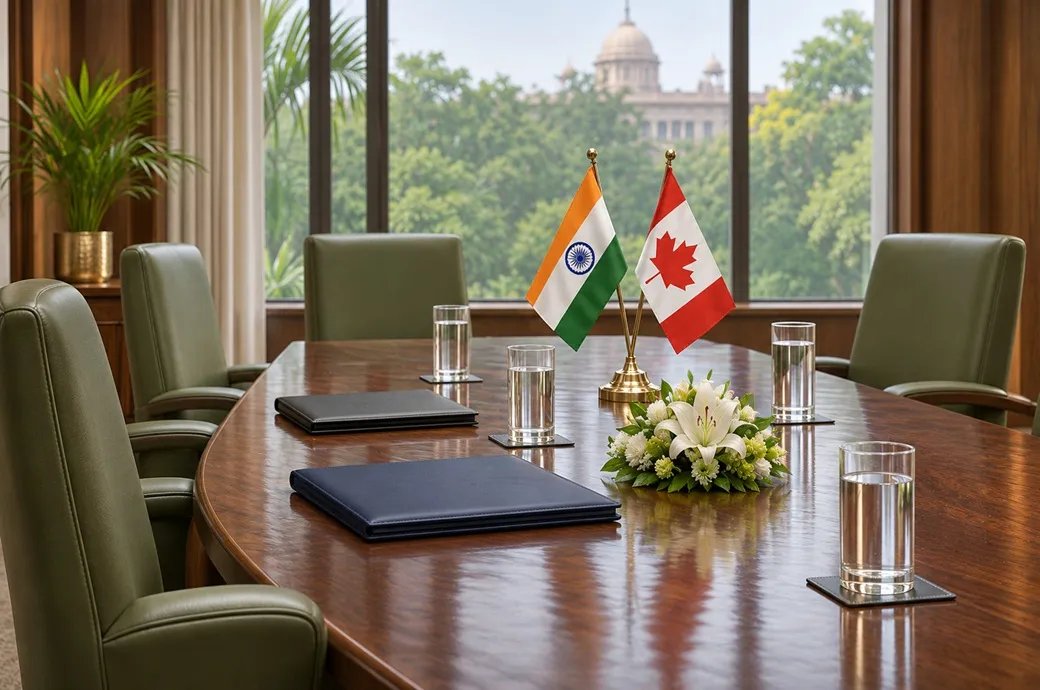
In a significant step toward bolstering bilateral economic relations, India and Canada have successfully wrapped up the sixth round of negotiations for the Comprehensive Economic Partnership Agreement (CEPA). The intensive discussions, held in New Delhi from November 11 to 20, 2026, underscored a shared commitment to finalizing a robust framework that promises to reshape trade dynamics between the two nations.
The negotiating teams, headed by India’s chief negotiator Dr. Brij Mohan Mishra and Canada’s lead representative Mary-Catherine Speirs, engaged in comprehensive deliberations aimed at addressing key pillars of the proposed agreement.
Focus Areas and Strategic Objectives
The nine-day session covered a broad spectrum of critical trade areas. According to the Ministry of Commerce and Industry, the negotiations delved into the intricacies of trade in goods and services, as well as essential regulatory frameworks including rules of origin and trade remedies. Furthermore, both sides held substantive talks regarding intellectual property and investment promotion, signaling a holistic approach to creating an enabling environment for businesses.
The foundation for this round was laid during an opening meeting between India’s Minister of Commerce and Industry, Piyush Goyal, and Canada’s Minister of International Trade, Maninder Sidhu. During their discussion in New Delhi, the ministers emphasized the necessity of a balanced and mutually beneficial pact. The objective remains clear: to leverage the natural complementarities between the Indian and Canadian economies to foster greater market access and unlock new investment avenues.
Progress and Future Roadmap
The atmosphere throughout the sixth round was described by officials as both constructive and substantive. Both delegations expressed satisfaction with the progress achieved, noting that the talks are moving steadily toward the ambitious timelines set by the leadership of both countries.
To ensure high-level alignment, Commerce Secretary Rajesh Agrawal met with Canada’s Vice Minister of International Trade, Glenn Purves, towards the conclusion of the round. This session served as a crucial stock-taking exercise, allowing both parties to review the trajectory of the CEPA discussions and solidify their shared goals.
Anticipated Economic Impact
The proposed CEPA is viewed as a strategic tool to enhance economic resilience. By diversifying supply chains and removing trade barriers, the agreement is expected to provide a significant boost to a variety of stakeholders.
In a press release issued following the conclusion of the talks, the Ministry of Commerce and Industry reiterated the commitment of both governments to securing an agreement that translates into tangible outcomes. The goal is to deliver meaningful benefits not only to large-scale industries and corporations but also to farmers, entrepreneurs, and the micro, small, and medium enterprises (MSMEs) that form the backbone of both nations’ economies.
As the discussions transition to the next phase, the successful completion of this round marks a pivotal moment in the India-Canada economic partnership. Both nations remain focused on drafting an ambitious deal that serves as a cornerstone for long-term prosperity, innovation, and strengthened bilateral trade ties.
Disclaimer: This content is auto-generated for informational purposes only.
Source: Read Original News