









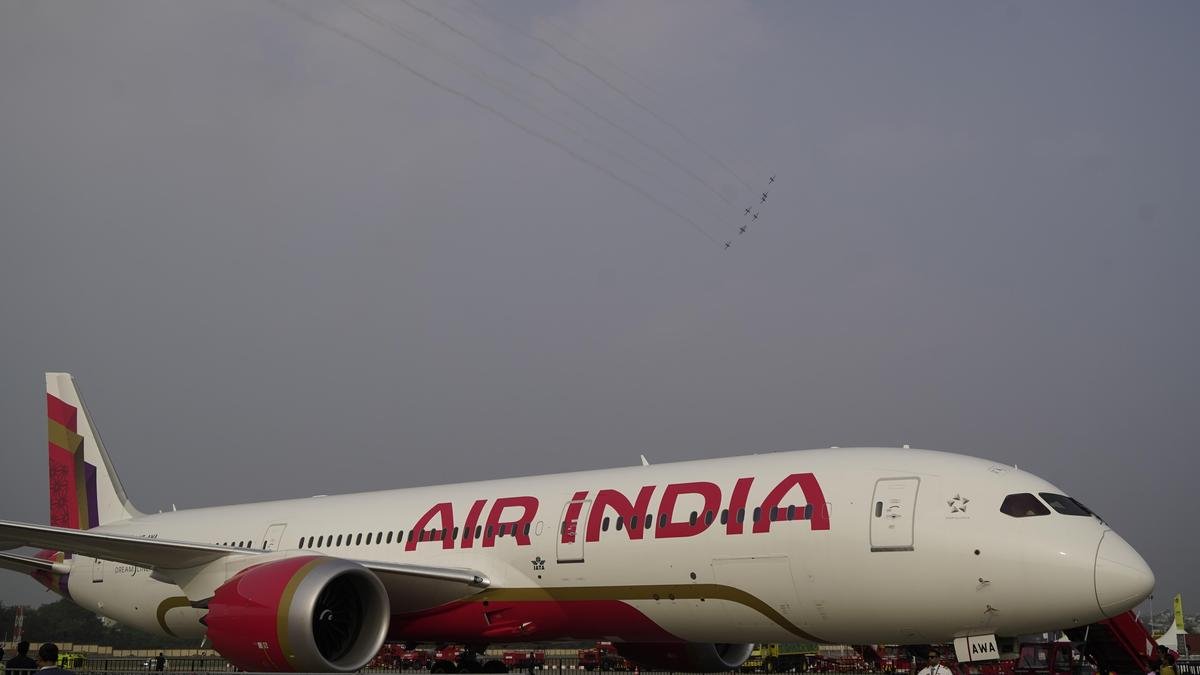
India Takes Flight Towards Green Skies: IOC Marks Milestone in Sustainable Aviation Fuel Production
In a transformative shift for the domestic aviation sector, Indian Oil Corporation (IOC) has officially entered the commercial market for Sustainable Aviation Fuel (SAF). This strategic advancement marks a critical turning point in India’s transition away from reliance on traditional, carbon-intensive Aviation Turbine Fuel (ATF). As the global aviation industry grapples with the escalating urgency of climate change, India’s entry into SAF production positions the nation as a proactive player in decarbonizing long-haul air travel.
The timing of this development is far from coincidental. With the global aviation community bracing for the second phase of the Carbon Offsetting and Reduction Scheme for International Aviation (CORSIA), set to take effect on January 1, 2027, the pressure on domestic carriers to reduce their environmental footprint has reached an all-time high.
Meeting Global Sustainability Benchmarks
The CORSIA framework, mandated by the International Civil Aviation Organization (ICAO), requires international airlines to monitor, report, and eventually offset their carbon emissions. For Indian carriers operating international routes, complying with these binding obligations is no longer optional. By achieving International Sustainability and Carbon Certification (ISCC) for its SAF production in August 2025, IOC has provided a vital lifeline to these operators.
While CORSIA focuses primarily on the financial mechanisms of carbon offsetting—essentially requiring airlines to pay for the environmental impact of their flights—IOC’s domestic SAF production directly addresses the root cause of the problem: greenhouse gas emissions at the source. By substituting conventional kerosene-based fuel with sustainable alternatives derived from biomass or recycled waste oils, the aviation industry can significantly lower its net-carbon profile.
Challenges and Future Outlook
Despite this landmark progress, the road to widespread SAF adoption in India is paved with significant challenges. Currently, the production cost of SAF remains substantially higher than that of standard ATF, largely due to the technological complexity of feedstock processing and the need for significant infrastructure scaling. Aviation experts suggest that for SAF to become a viable, daily reality for Indian carriers, the government will likely need to introduce supportive policy frameworks, such as production-linked incentives or blending mandates.
Industry analysts emphasize that while the ISCC certification is a feather in the cap for IOC, the sheer scale of India’s aviation market—which is currently one of the fastest-growing in the world—demands a massive boost in supply chain efficiency. Integrating SAF into existing fuel supply networks at major metropolitan airports will require close collaboration between oil marketing companies, airport operators, and the Ministry of Civil Aviation.
A Greener Horizon
As the 2027 deadline approaches, the availability of domestically produced SAF will be a primary factor in determining how Indian airlines manage their transition costs. By fostering a homegrown alternative to expensive imported fuels, India is not only safeguarding its carriers from volatility in the global fuel market but is also asserting its commitment to international climate goals.
With IOC leading the charge, the narrative of Indian aviation is slowly shifting from one of rapid expansion to one of responsible, sustainable growth. As these SAF molecules begin to flow into the tanks of commercial aircraft, the hope remains that the high costs of sustainable innovation will eventually give way to a cleaner, more efficient era of air travel.
Disclaimer: This content is auto-generated for informational purposes only.
Source: Read Original News