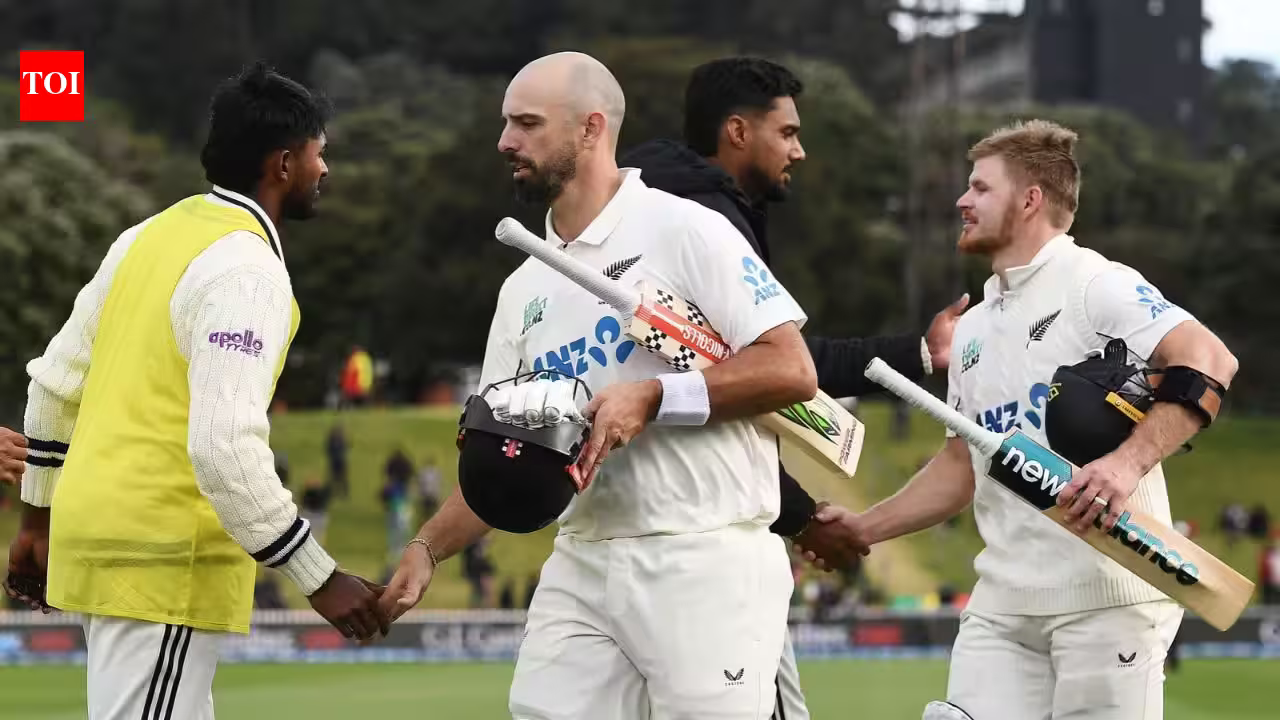








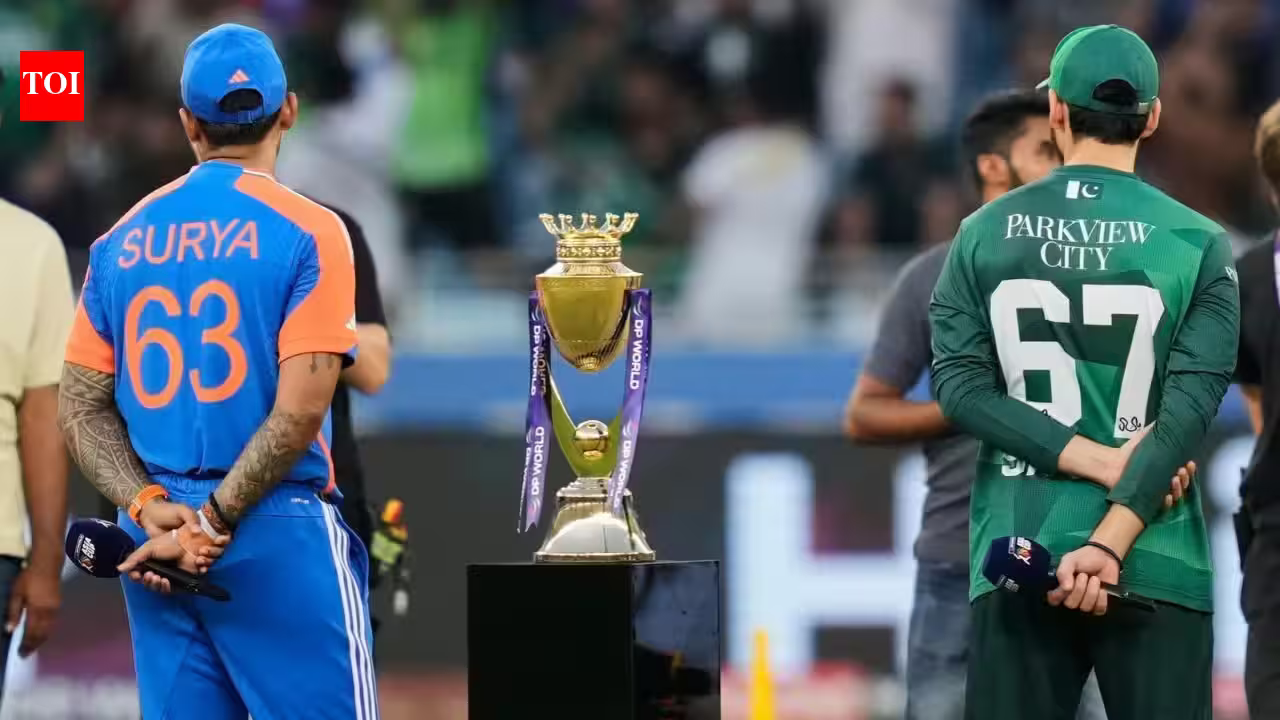
DUBAI — In a development that underscores the complex intersection of global politics and the spirit of the game, the Marylebone Cricket Club (MCC) has officially clarified its stance on the growing trend of handshake boycotts between India and Pakistan. Following the conclusion of the Rising Stars Asia Cup match on Sunday—where Pakistan A secured a decisive 48-run victory over India A—the absence of the traditional post-match handshake once again highlighted a diplomatic rift that has spilled firmly onto the cricket pitch.
Despite the MCC’s role as the sole custodian and arbiter of the Laws of Cricket, head of cricket Fraser Stewart confirmed that the organization will not be intervening in the situation. Speaking to reporters, Stewart acknowledged the tension but emphasized that the custom of shaking hands falls outside the codified laws of the sport, placing the matter into a geopolitical sphere far beyond the MCC’s jurisdiction.
## The Geopolitics of the Pitch
The handshake boycott, which has now become a recurring feature in both men’s and women’s fixtures, as well as across various age-group tournaments, traces its origin to the period following the 2025 Pahalgam terror attack. Since that incident, the customary post-match gesture—once a symbol of mutual respect regardless of on-field intensity—has been noticeably absent.
For cricket purists, the move is a departure from the “Spirit of Cricket” preamble that serves as the foundation for the game’s conduct. However, Stewart’s comments suggest a pragmatic, if resigned, acceptance of the reality facing cricket administrators.
“There are certain instances that transcend cricket and come from a level that’s above my station to talk about geopolitical situations,” Stewart said, as quoted by the Press Trust of India. “What we can control is that, on the field, the players respect each other, they respect the umpires, the authority of the umpires, and the game.”
## “Edicts From Above”
Stewart’s remarks point to a deeper narrative, one where national policy and international relations dictate the behavior of athletes, leaving governing bodies like the MCC with limited leverage. When asked if the organization would attempt to mandate the restoration of the handshake, Stewart was candid about the limitations of the MCC’s authority.
“If there are edicts coming from above about handshakes, that’s not something that MCC is able to control,” Stewart noted. “We would like to see it, but we realize that there are bigger issues at play and that’s something that’s beyond anything we can control.”
The MCC’s focus, according to Stewart, remains on the immediate environment of the match: ensuring that officials are respected and that the competitive integrity of the game is maintained. While the lack of a handshake may be jarring to viewers and former players, the MCC is choosing to prioritize the prevention of physical misconduct and verbal abuse over enforcing social rituals that have been superseded by state-level diplomatic friction.
## A Legacy of Controversy
While the India-Pakistan handshake issue dominated the headlines, Stewart’s address also touched on historical wounds currently being reopened within the sport. The infamous 2018 “Sandpapergate” ball-tampering scandal has returned to the fore, spurred by new revelations and allegations from players involved, including Usman Khawaja, Chadd Sayers, and Cameron Bancroft.
The cricket world remains divided over the extent of the conspiracy that rocked the Australian team years ago. However, the MCC—true to its role as an objective arbiter of the game’s rulebook—refused to wade into the ongoing debate regarding who knew what or the veracity of recent testimonies.
Stewart, however, did not mince words regarding the technical breach that occurred in Cape Town. “I think my line on that would be that, as far as the laws of cricket are concerned, using sandpaper on the ball is a clear breach of the law,” he stated firmly. “I don’t think anyone is doubting that it was the case. What goes on and who knew what, and making further allegations years later, that’s not really something for MCC to comment on.”
## The Future of the Gentleman’s Game
As the dust settles on the Rising Stars Asia Cup, the cricket community is left to grapple with the reality that the sport is no longer immune to the pressures of the modern world. Whether it is the diplomatic rigidity seen between India and Pakistan or the long-standing shadow of historic cheating scandals, the MCC finds itself in a precarious position.
For now, the mandate from the MCC is clear: uphold the Laws of Cricket, ensure the authority of the umpire is absolute, and accept that some aspects of the game’s traditional culture are subject to the volatile winds of international affairs. As the sport moves forward, fans and players alike will have to reconcile the “Spirit of Cricket” with a landscape where, occasionally, the handshake is the first casualty of deeper, more complex divisions.
While the MCC holds the pen that writes the laws, it appears that, at least for the foreseeable future, the players will continue to follow the “edicts from above” regarding their post-match conduct—leaving the field not with a handshake, but with a lingering, silent acknowledgment of the world beyond the boundary rope.
Disclaimer: This content is auto-generated for informational purposes only.
Source: Read Original News