







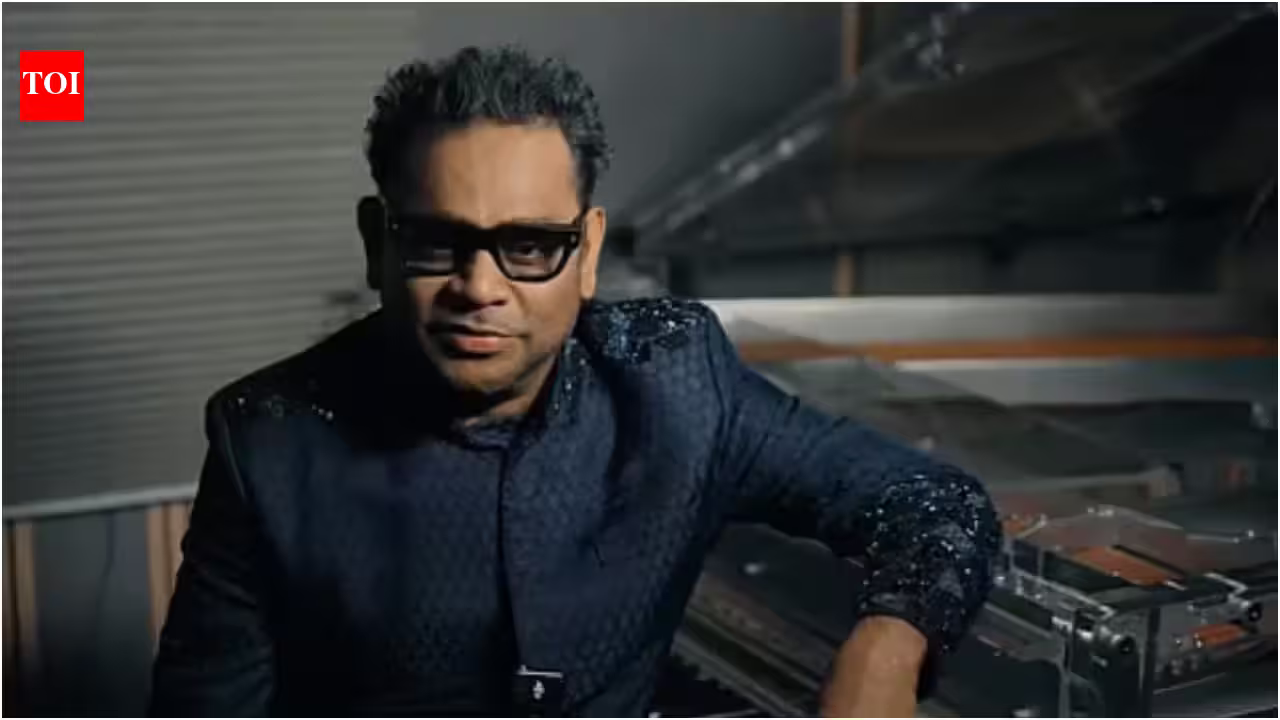
In the high-stakes world of Indian cinema, few names command the respect and creative reverence of A.R. Rahman. Yet, even for a double Oscar winner who has defined the soundscape of generations, Nitesh Tiwari’s upcoming magnum opus Ramayana proved to be a different kind of beast—one that demanded not just his talent, but his complete and total surrender.
Speaking at the International Film Festival of India (IFFI) this past Sunday, the legendary composer pulled back the curtain on a three-year journey of meticulous creation. He revealed that his commitment to the two-part epic was so absolute that he essentially hit a “pause” button on his career, turning down upwards of 10 to 12 major films to ensure his focus remained laser-sharp on the mythological saga.
The Cost of Perfection: Turning Down the Industry Giants
In an industry where “fast-paced” is often the default setting, Rahman’s admission that he walked away from numerous marquee projects is nothing short of shocking. When asked about his process, Rahman was candid about the opportunity cost involved in crafting the world of Lord Rama.
“The process was beautiful,” Rahman remarked, reflecting on the arduous timeline. “Because of Ramayana, I left almost 10-12 movies, just to be in the zone. Many, many important big filmmakers I left. And I’m proud of it.”
For a composer whose output is usually prolific, this decision signals a profound shift in priorities. It suggests that the scale of the Ramayana project—which aims to be the definitive cinematic retelling of the ancient text—required a level of immersion that modern multi-tasking simply wouldn’t permit. By clearing his schedule, Rahman wasn’t just clearing his calendar; he was clearing his headspace to inhabit a narrative that is fundamentally ingrained in the cultural DNA of India.
Behind the Notes: The 13 Iterations of Ravana
Perhaps the most telling detail shared at IFFI was the sheer technical and creative struggle behind the music. It is a common misconception that genius arrives in a lightning bolt of inspiration; for Rahman, it arrives through iteration, experimentation, and a relentless pursuit of the “right” sound.
The track “Ravana Tandav,” expected to be one of the film’s high-octane musical peaks, became a microcosm of the entire project’s intensity. Rahman revealed that the team went through 12 to 13 different versions of the composition before they landed on a final cut that resonated with the creative vision of the production team.
“We’ve been doing Ramayana music for three years, the themes and everything,” Rahman explained. “And some of them have like, 12-13 versions. The Ravana Tandav actually had 12-13 versions and then we finally found a version which everybody liked.” This dedication to refinement—going back to the drawing board even when a version is technically sound—speaks to the gravity with which the team is treating the source material. They are not merely writing background scores; they are composing the auditory atmosphere for an epic.
The Art of Curation: Why Rahman Says ‘No’
Rahman’s strategy for selecting projects is famously discerning, but his comments at IFFI offered a rare glimpse into the psyche of a composer who refuses to be pigeonholed. For Rahman, a project isn’t just a paycheck or a commercial venture; it is a catalyst for artistic growth.
“I think I enjoy it. I only accept when I really love a project and I enjoy it, it nourishes my artistic sense and my whole team gets excited,” he said. This philosophy—that the project must nourish the artist—explains why he has been able to remain relevant for over three decades. When the spark isn’t there, or when the scope of the project feels disjointed, he simply isn’t interested.
His collaboration with Hans Zimmer on Ramayana further highlights this “nourishment.” By pairing his own sensibilities with the iconic German composer, Rahman is clearly pushing himself into new territory, merging the traditional Indian motifs of the Ramayana with the sweeping, cinematic grandeur associated with Zimmer’s global style.
The Balancing Act of Modern Tradition
One of the most recurring themes in Rahman’s career has been his ability to bridge the gap between classical Indian roots and cutting-edge sound design. At IFFI, he addressed the friction that comes with this duality.
“It is terrifying but we have to do it because I love both,” he confessed. “I am multicultural in a way. When I was doing traditional music, playing for other people traditionally, I was listening to modern music. So my mindset has got a modern thing and I compartmentalize both. Sometimes I get confused.”
This “confusion,” as he calls it, is arguably the source of his genius. It is that very tension between the ancient and the modern that creates the unique textures of a Rahman score. In the context of Ramayana, this balance is crucial. The film needs to feel grounded in historical, mythological roots while also appealing to a modern global audience accustomed to high-end production values.
A Cultural Event in the Making
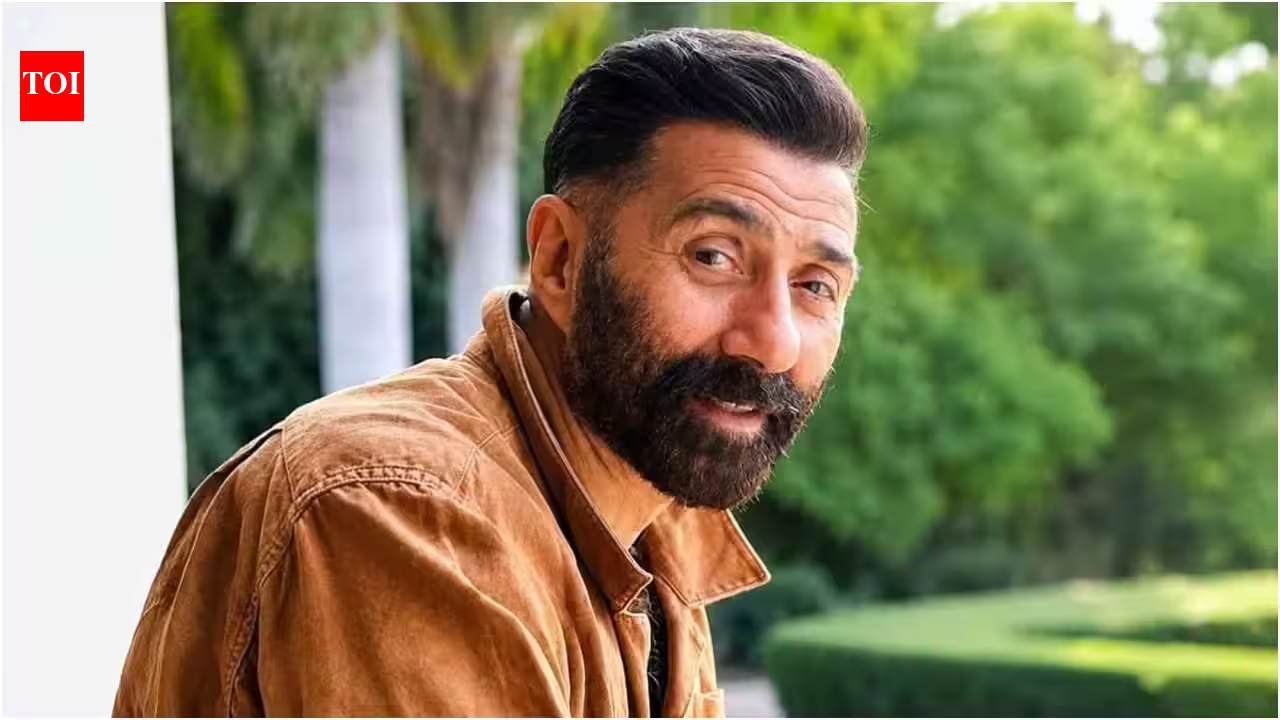
As the anticipation for Nitesh Tiwari’s Ramayana continues to mount, the details of the cast remain as much of a focal point as the music. With Ranbir Kapoor stepping into the role of Rama and Sai Pallavi as Sita, the film is already shaping up to be a visual and emotional centerpiece for Indian cinema. Throw in the formidable presence of Yash as Ravana and a post-credit appearance by Sunny Deol as Hanuman, and you have a project that feels less like a movie and more like a massive cultural undertaking.
With AR Rahman and Hans Zimmer anchoring the score, the film seems poised to offer an auditory experience that matches the gravity of the story. For fans, the wait has been long—and for Rahman, it has been three years of sacrifice and constant revision. But if the history of his career is any indication, the 13th version of “Ravana Tandav” might just be the one that stays with us for the next fifty years.
Disclaimer: This content is auto-generated for informational purposes only.
Source: Read Original News