








Kolkata’s Traffic Police Face Silent Health Crisis Amid Rising Pollution Levels
Kolkata: As air quality in major Indian metros continues to oscillate between poor and severe, medical professionals in Kolkata have sounded an urgent alarm regarding the respiratory well-being of the city’s frontline workforce. Traffic police officers, who spend the vast majority of their shifts exposed to the thick of vehicular emissions and construction dust, are reporting a concerning spike in lung-related ailments.
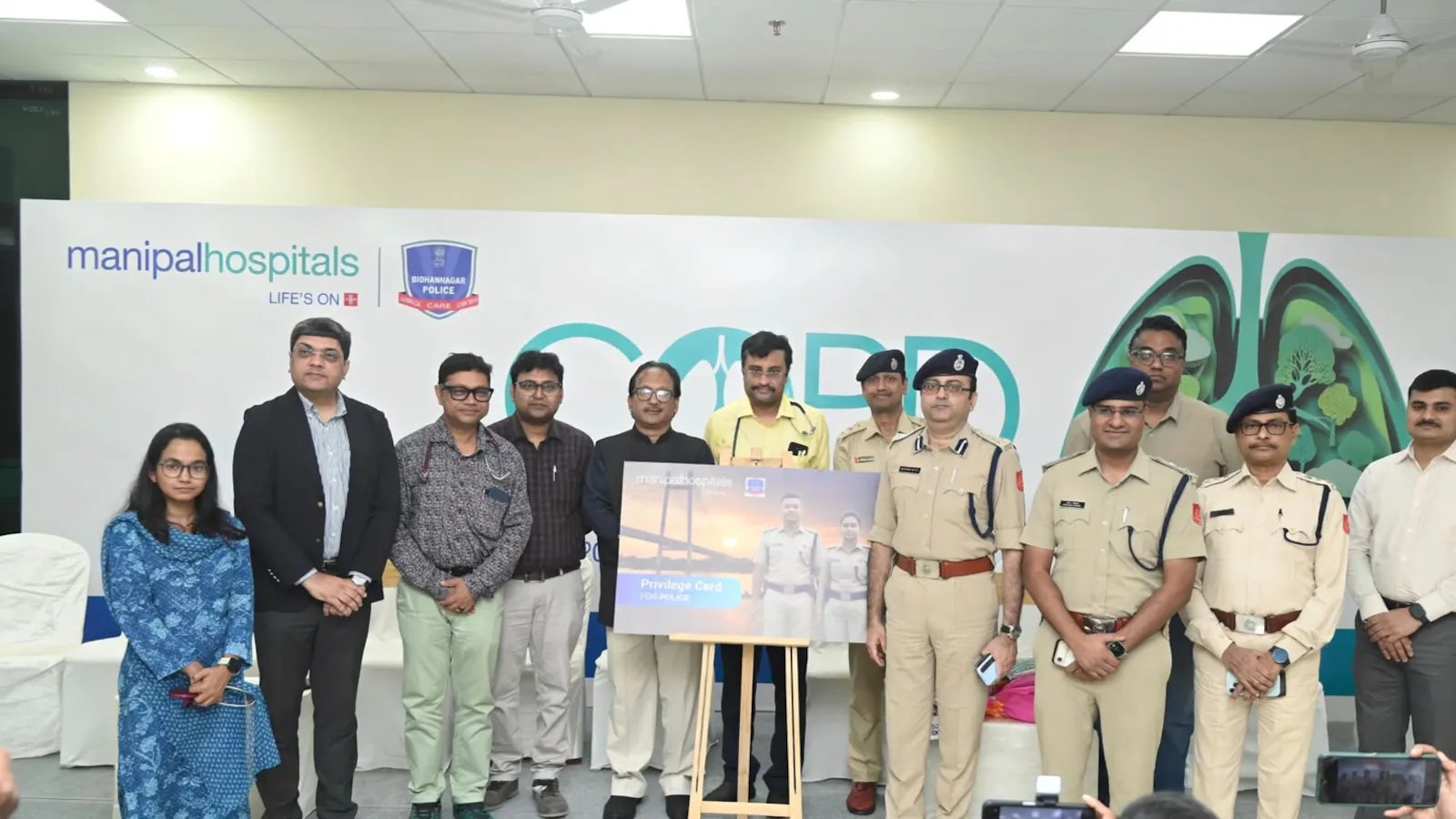
In an effort to mitigate these occupational hazards, Manipal Hospital Kolkata recently collaborated with the Bidhannagar Police Commissionerate to launch a specialized Lung Health and Wellness Camp. The initiative was designed to provide essential screenings and medical guidance to officers who often overlook their own health while ensuring the safety of the public.
The High Cost of Frontline Duty
The nature of traffic management in a dense, rapidly growing city like Kolkata involves long hours in extreme conditions. Constant inhalation of exhaust fumes and particulate matter puts these officers at a significantly higher risk of developing debilitating conditions, such as Chronic Obstructive Pulmonary Disease (COPD) and recurrent pneumonia.
Despite the obvious environmental risks, experts at the camp noted a dangerous trend: many officers tend to dismiss early symptoms of respiratory distress—such as a dry cough, mild wheezing, or fatigue—as mere seasonal changes. Medical professionals warn that this tendency to ignore warning signs often results in delayed diagnosis, transforming treatable conditions into chronic health issues.
Urgent Call for Preventive Healthcare
During the camp, Debarshi Dutta (IPS), Joint Commissioner of Police, Bidhannagar Commissionerate, emphasized the necessity of the initiative. “Our traffic personnel are on the frontlines, battling environmental pollutants daily. It is critical that they treat their own health as a priority by participating in regular screenings and seeking professional advice at the first sign of discomfort,” Dutta stated.
The medical team, led by experts from Manipal Hospitals, conducted comprehensive lung function assessments to identify potential risks early. Dr. Debraj Jash, Head of Pulmonology for the Saltlake cluster, highlighted the social imperative behind the camp. “These individuals protect the city, so we must prioritize their health. Symptoms like breathlessness or persistent coughing must not be ignored; they are clear indicators that the body is struggling against the environment,” he added.
A Growing Urban Challenge
The health risks faced by the force are inextricably linked to the city’s changing landscape. While Kolkata previously managed its traffic volume efficiently, the recent explosion in vehicle density and the acceleration of urban construction projects have created a hazardous breathing environment.
The initiative in Bidhannagar is not intended to be a one-time event. Komal Dashora, Cluster Director of Manipal Hospitals (Mukundapur and EM Bypass), announced that the organization is committed to scaling up this effort. Plans are currently underway to organize similar preventive healthcare and lung screening programs across the city, ensuring that a broader segment of the police force receives the medical surveillance they require to stay healthy while serving the community.
Disclaimer: This content is auto-generated for informational purposes only.
Source: Read Original News