







The Emergence of Dynamic Retail Mechanics in Open-World Environments
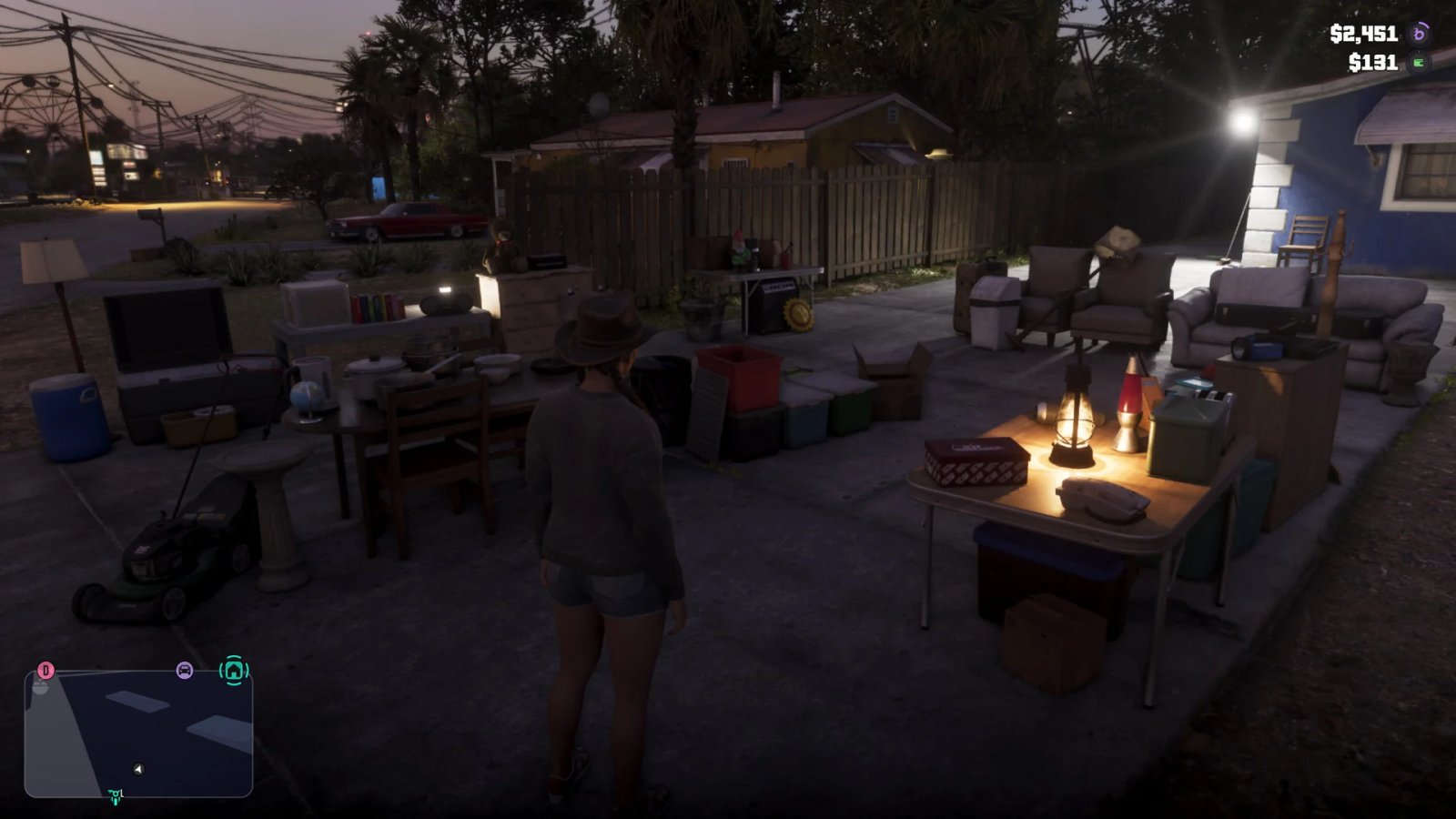
The gaming industry has long focused on the expansion of open-world maps, but Rockstar Games has shifted the narrative with Grand Theft Auto VI by integrating micro-level retail mechanics that feel both grounded and highly interactive. While previous installments relied heavily on high-end boutique shopping to define player character aesthetics, the latest title introduces yard sales as a primary mechanism for character customization. This shift represents a move toward procedural-style discovery, where the economy is decentralized and player agency is rewarded through environmental exploration rather than simple transactions at static storefronts.
From a technical standpoint, this system functions by populating residential sectors of the Leonida region with transient retail nodes. Unlike the fixed inventory found in major luxury outlets within Vice City, these yard sales utilize a randomization engine that pulls from a diverse library of apparel assets. By embedding these assets within the physical world rather than limiting them to a menu-driven storefront interface, the game incentivizes players to traverse the map’s less-traveled residential corridors. This design choice serves a dual purpose: it encourages exploration of the detailed suburban environment and offers a low-barrier entry point for players to personalize their protagonists during the early stages of the game.
Navigating the Spatial Challenges of Leonida
One of the most noteworthy design elements of this system is the reliance on ambient environmental cues rather than traditional waypoint markers. Players must identify yard sales by spotting small, hand-painted signage placed on road medians or attached to existing municipal signposts. This interaction requires a heightened level of spatial awareness. Because the game engine renders these signs with realistic limitations—accounting for the small scale of the text and the visual clutter of the surrounding urban or rural architecture—the player must actively look for them during navigation.
This creates a high-fidelity gameplay loop where the pursuit of cosmetic items acts as a surrogate for navigation challenges. When a player identifies a sign, they must deduce the location of the sale based on typical residential zoning logic within the game world. If the player misses a turn or misinterprets the directional arrow, they are often diverted into secondary locations, such as private back lots or rural fields, which serves as a testament to the game’s cohesive world-building. By forcing players to engage with the layout of Leonida, the developer ensures that fashion acquisition is tied to the physical traversal of the map, reinforcing the scale and density of the environment.
The Economics of Rare Asset Acquisition
The pricing model for yard sales creates an interesting contrast to the game’s primary economy. While central business districts and upscale retail hubs require significant currency expenditure, yard sales provide high-utility cosmetic items at negligible costs. This low-cost structure effectively democratizes character customization. Items that would typically be gated behind mid-to-late game financial progress are rendered accessible through exploration, allowing players to secure unique apparel pieces like regional-themed shirts, headwear, and accessories early in their progression.
The rarity of these items adds an additional layer of value. Because the stock at each location is limited and somewhat randomized, the experience mirrors real-world thrifting. Players are tasked with clearing out inventories, which often contain rare, context-specific items. For instance, obtaining legacy apparel, such as hats associated with past franchise lore, serves as a narrative reward for the diligent player. This system transforms the act of shopping into a treasure hunt, elevating basic clothing assets into status symbols that signify a player’s commitment to exploring the peripheral regions of the map.
Context-Aware NPC Interactions and Social Simulation
Beyond mere aesthetic modification, the clothing items obtained through yard sales are deeply integrated into the game’s social simulation engine. The artificial intelligence governing the non-player characters (NPCs) is programmed to respond to the player’s attire. When a player dons a specific thematic garment—such as a cow-print Hawaiian shirt—the NPCs in the vicinity may acknowledge the design, leading to reactive dialogue paths. This creates a feedback loop where the character’s clothing choice influences the atmosphere of the local area.
This integration is a significant advancement in reactive world design. Rather than clothing existing as a static texture map, it functions as a dynamic data point that the game’s social simulation system utilizes to alter NPC behavior. When a player engages in criminal activity while wearing such distinctive attire, they may gain localized notoriety, such as being identified by specific visual traits. This transforms fashion from a passive aesthetic choice into a functional component of the player’s presence in the world, allowing for a more immersive and personalized gameplay experience as the character traverses from rural Leonida into the more affluent urban center of Vice City.
Disclaimer: This content is auto-generated for informational purposes only.
Source: Read Original News