








FSSAI Crackdown on Bisleri: Bottled Water Industry Faces Heightened Scrutiny
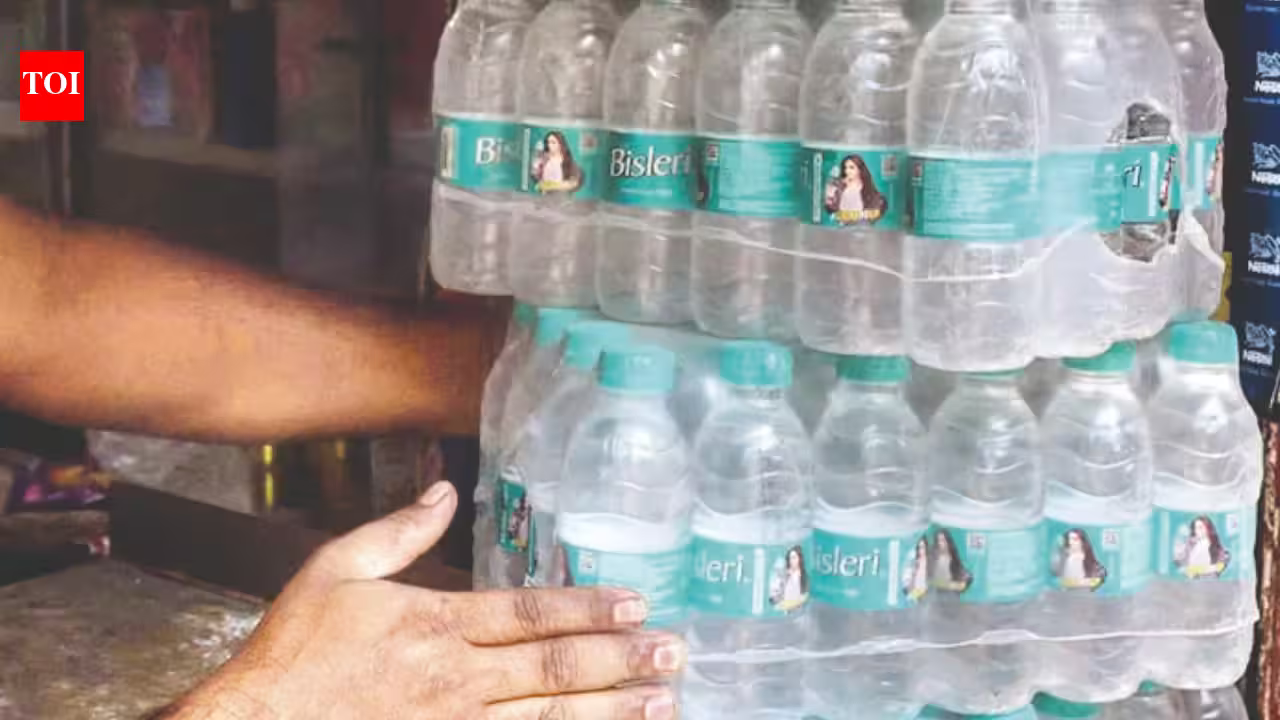
The Indian packaged water industry, a colossal $4 billion market, is currently grappling with heightened regulatory scrutiny following the Food Safety and Standards Authority of India’s (FSSAI) recent decision to initiate prosecution against Bisleri. The action was triggered after a sample of the leading brand failed to meet prescribed safety standards, sending ripples of concern through a sector that serves millions of daily consumers.
Despite the regulatory move, Bisleri issued a statement on Monday maintaining that its operations remain compliant. The company emphasized that its products undergo rigorous testing protocols, involving approximately 90 distinct quality checks to ensure they are safe for public consumption. However, the regulatory intervention has cast a long shadow over the sector, prompting questions about manufacturing standards and quality control transparency.
A Wider Industry Review
With Bisleri commanding an estimated 60% of the domestic market, any regulatory action against the giant serves as a litmus test for the entire industry. The FSSAI’s investigation does not appear to be limited to a single entity; reports suggest the agency is expanding its nationwide drive to inspect other major players, including Kinley (Coca-Cola), Aquafina (PepsiCo), and Tata Consumer Products’ Himalayan brand.
Industry analysts suggest this is a pivotal moment for a sector that has historically faced challenges regarding uniform quality standards. Lloyd Mathias, an independent director and seasoned FMCG professional, noted that the crackdown, while challenging for the brands involved, is a “long overdue” measure that favors consumer protection.
“The packaged water industry has operated with considerable flexibility regarding standards,” Mathias observed. He highlighted that definitions surrounding purity, mineral composition, and the addition of fortifying agents often remain ambiguous. According to him, the market needs to adopt more transparent labeling practices, similar to those found in developed economies, so that consumers are fully aware of the contents of their bottled water.
Shifting Regulatory Landscape
The current enforcement drive follows a significant policy shift that occurred in late 2024, when the industry moved under the direct oversight of the FSSAI and was classified as a “high-risk food” category. This transition away from the Bureau of Indian Standards (BIS) was intended to plug loopholes and improve safety protocols.
For years, the industry has struggled with fragmented oversight, which has permitted the proliferation of substandard, and occasionally counterfeit, brands. Experts are now drawing parallels between this current development and the watershed moment of 2003, when findings regarding pesticide residue in soft drinks catalyzed a national overhaul of food safety regulations in India.
As the FSSAI intensifies its monitoring, industry stakeholders are bracing for a period of adjustment. While the short-term impact may cause friction for market leaders, the consensus among observers is that a more rigorous regulatory environment will eventually bolster consumer trust. By standardizing manufacturing processes and enforcing stricter quality benchmarks, the move is expected to mature the industry, moving it away from the “flexibility” that has defined its growth for decades.
For now, all eyes remain on the outcome of the ongoing investigations, which will likely determine the future trajectory of India’s massive packaged water ecosystem.
Disclaimer: This content is auto-generated for informational purposes only.
Source: Read Original News