








The Evolution of Interactive Nostalgia in Modern Gaming
Grand Theft Auto has long been defined by its dense, layered worlds and a penchant for hiding secrets within the fabric of its environments. However, the discovery of a sophisticated, time-traveling sequence in the latest installment of the franchise marks a significant shift in how developers treat legacy content. Unlike simple references or cosmetic skins, this secret functions as an engine-level transformation, bridging the technical gap between modern hardware capabilities and the limitations of early 2000s gaming. By meticulously recreating the architectural and aesthetic constraints of the original Vice City, the developers have moved beyond simple fan service to create a brief, functional simulation of a bygone era.
The discovery, initially documented by content creator Memeio, highlights a level of commitment to historical homage that few modern studios attempt. It is not merely an area hidden behind a wall; it is a mechanical transition that forces the game to adopt the specific constraints—both visual and atmospheric—of the 2002 title. This synthesis of modern open-world design and classic aesthetic programming serves as a testament to the versatility of the current game engine, proving that developers can embed distinct, legacy-style experiences within a high-fidelity environment without compromising the structural integrity of the main game.
The Technical Complexity of the Portal Sequence
Accessing this hidden content is a deliberate test of patience and navigational skill, requiring players to engage with the map in a way that modern quest markers rarely demand. The process involves interacting with thirteen specific power stations scattered across the expansive map of the new Vice City. The sequence is not triggered by simple button prompts; it requires a deep understanding of the environment and a adherence to strict environmental logic. According to the discovered guide, the entire task takes roughly three days of dedicated playtime to decipher and execute correctly.
The narrative thread tying the stations together uses the phrase “LIFE IS PASSING ME BY,” a direct reference to a famous speed-up cheat code from the original 2002 release. For the sequence to remain active, the player must refrain from using in-game fast travel, forcing them to traverse the modern map manually. This constraint is an intentional design choice, encouraging the player to engage with the modern landscape as they work toward the eventual temporal jump. It serves as a narrative bridge, transitioning the player from the hyper-realistic visuals of the present to the stylized, low-polygon charm of the past.
A Visual Shift to 2002 Standards
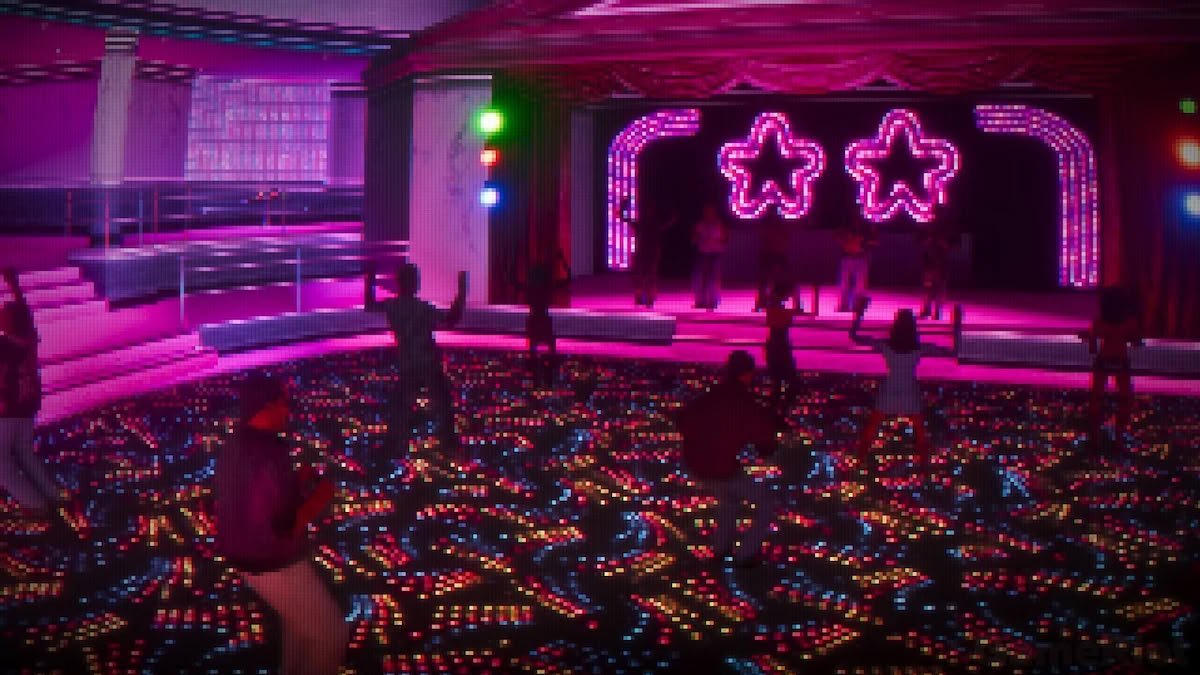
Perhaps the most impressive aspect of this Easter egg is the aesthetic transition that occurs upon successfully activating the final power station. Upon entering the portal, the engine undergoes a radical shift in visual fidelity. The high-resolution textures, complex lighting models, and advanced physics of the modern game are replaced by the distinct, limited polygon counts and vibrant, saturated color palettes associated with the PlayStation 2 era. The character models for the player and NPCs shift to match the 2002 aesthetic, capturing the specific animations and facial expressions that defined that generation of gaming.
This technical transformation extends to the iconic Malibu Club, which is rendered with surprising accuracy to its original layout. The environment retains the specific lighting limitations and blocky geometry of the 2002 version, creating a surreal experience for long-time fans who are accustomed to the modern game’s graphical fidelity. This change is not just a skin change; it is a comprehensive adjustment of the rendering pipeline that allows the game to present a classic environment in a way that feels authentic to the original user experience rather than a modern “remastered” interpretation.
Reuniting with Legacy Characters
The payoff for completing this complex series of tasks is more than just a trip to a nostalgic location; it provides a direct narrative link to the series’ history. Players who successfully navigate the portal and arrive at the retro Malibu Club will encounter Kent Paul, a character synonymous with the Vice City narrative. Notably, the character retains the voice work of Danny Dyer, providing a seamless link to the original performance. This encounter serves as a rare, diegetic acknowledgement of the franchise’s chronological progression.
By including legacy NPCs in a functional, retro-rendered space, the developers have created a rare moment where modern game design interacts with its own past. The character models are animated with the rigid, mechanical movements of the early 2000s, further grounding the experience in the 2002 reality. This inclusion underscores the importance of institutional memory within game development, showing that while modern titles focus on graphical leaps, they can simultaneously preserve the identity and characters that established their initial success.
Rewards and Practical Application
Completing the ordeal does not leave the player empty-handed. Once the sequence is concluded and the player returns to the modern game, they are rewarded with specific, tangible assets that act as a permanent acknowledgement of their discovery. Among these is the iconic Hawaiian shirt worn by Tommy Vercetti, meticulously recreated for the modern character customization system, and a classic motorbike that mirrors the vehicles available in the 2002 title. These items provide a functional benefit alongside their status as a collector’s trophy.
The requirement to reach Chapter 3 to unlock the full map suggests that this content was designed as a late-game challenge. It rewards players who have already invested significant time into the modern world, offering them a detour that relies on their mastery of the game’s geography and mechanics. By gating the puzzle behind significant story progress, the developers ensured that the impact of the retro-portal would be felt most acutely by those with a deep connection to both the current game and the long-standing history of the franchise. It is a masterclass in rewarding player curiosity and dedication.
Disclaimer: This content is auto-generated for informational purposes only.
Source: Read Original News