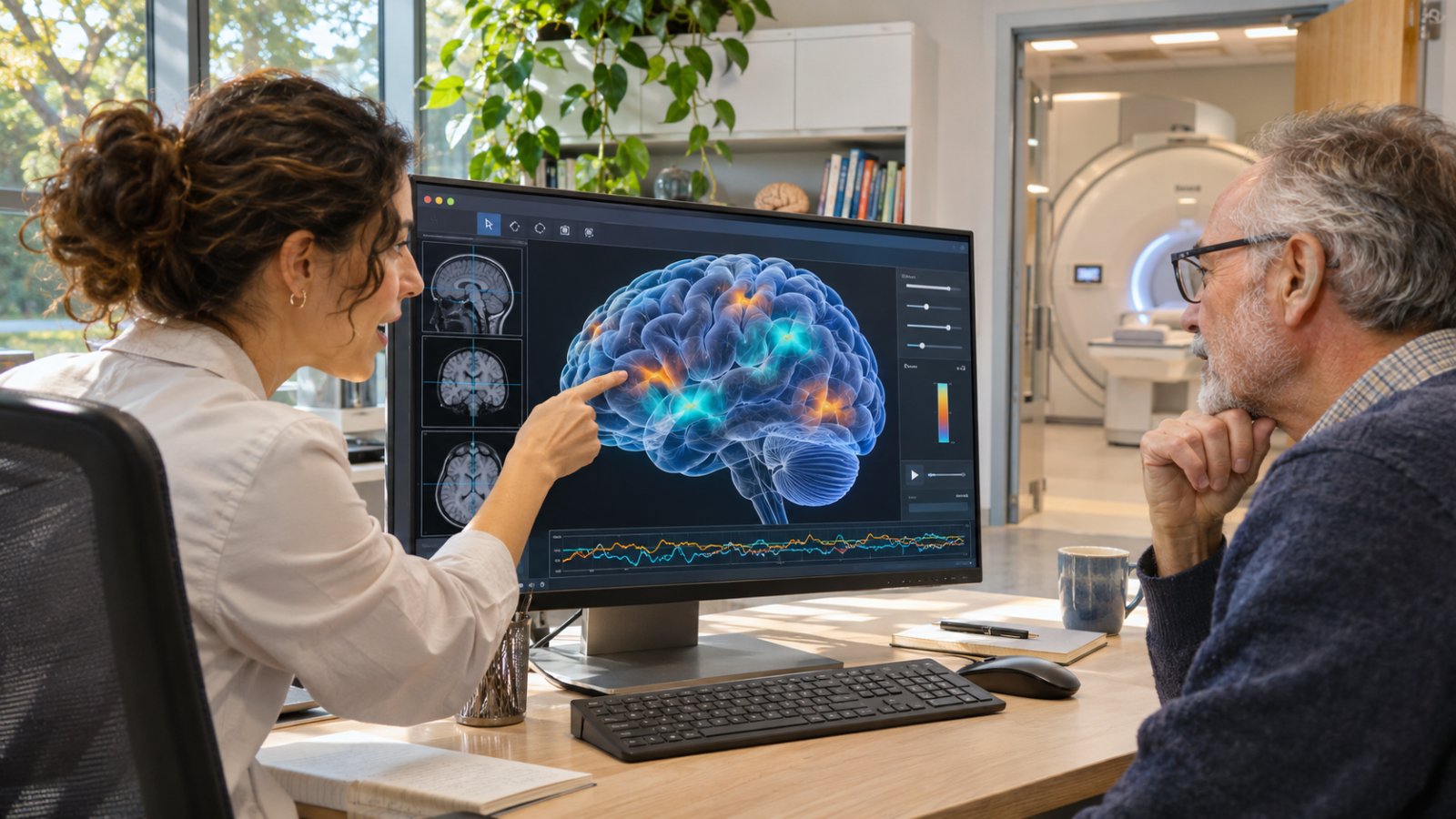






In a pioneering effort to decode the rapidly changing climate of the southernmost continent, an international team of researchers is deploying advanced biosensing technology originally developed to combat the COVID-19 pandemic. By repurposing air-sampling canisters used to track the coronavirus in Singapore, scientists hope to capture airborne microbes that serve as critical biological indicators of environmental flux in Western Antarctica.
The 75-person expedition, which commences this Wednesday, is led by renowned British explorer Robert Swan, the first person to traverse both the North and South Poles. Marking what Swan describes as his “swan song”—his final expedition after nearly 30 years of Antarctic exploration—the mission aims to fill significant data gaps in our understanding of how polar shifts influence global weather patterns.
“Antarctica is trying to tell us something, and people aren’t listening,” Swan said. His long-standing advocacy for the continent’s preservation remains the driving force behind the trip, which seeks to illuminate the role Antarctica plays as a primary regulator of the global climate.
Central to the research is the use of SASS 3100 dry air samplers. These portable devices, which function similarly to handheld vacuum cleaners, were instrumental in monitoring air quality in Singaporean hospitals during the height of the pandemic. Their selection for this mission is strategic; unlike liquid-based sampling systems, which often fail or become inefficient in sub-zero environments, the dry air samplers are optimized for the harsh, freezing conditions of the polar frontier.
Benjamin Horton, dean of the School of Energy and Environment at the City University of Hong Kong, is leading the scientific portion of the journey. He believes the captured microbes will act as natural tracers, revealing hidden insights into wind, humidity, and atmospheric circulation. “It’s all about using these microbes to better understand wind or humidity patterns or weather conditions,” Horton explained. “We know that what happens in Antarctica has a significant influence on many people in the Southern Hemisphere.”
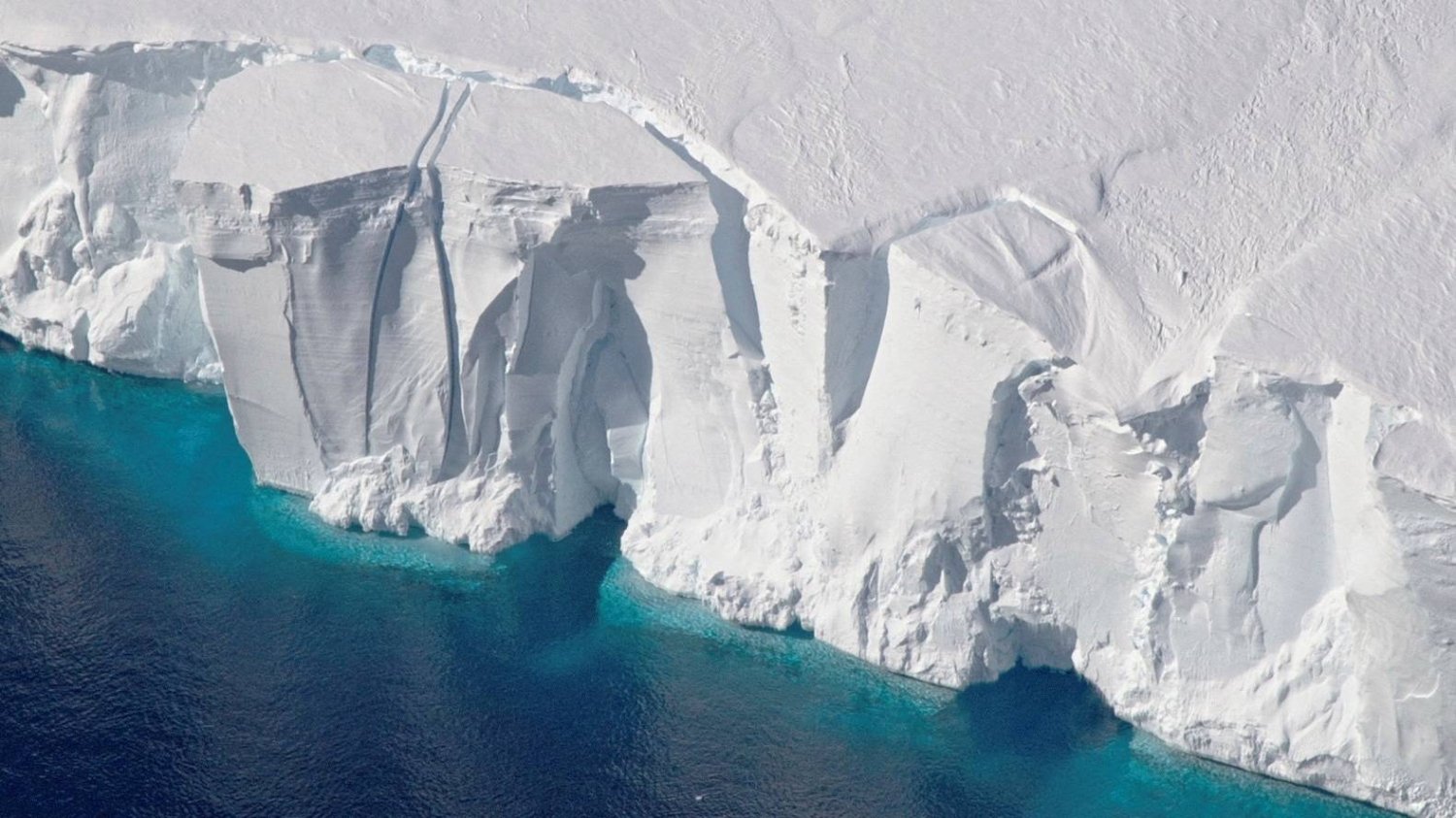
The mission comes at a precarious time for the continent. Antarctica is currently shedding ice mass at an average rate of approximately 135 billion tons per year, a trend directly contributing to rising sea levels. The region has also faced unprecedented meteorological phenomena, including extreme rainfall and shifts in wildlife health, such as the first-ever documented cases of bird flu on the mainland two years ago. Researchers suspect these changes are linked to broader climate-driven disruptions that are altering the continent’s ecological stability.
Upon the conclusion of the expedition on December 2, the collected samples will be transported to a laboratory in Singapore for comprehensive DNA analysis. Stephan Schuster, a professor at the School of Biological Sciences at Nanyang Technological University, will oversee the analysis as part of a global study on environmental health. By mapping the genetic profiles of the captured microbes, the team hopes to determine their origins, effectively tracing the path of winds and moisture currents that carry them across the globe.
Beyond the scientific yield, the expedition serves an educational purpose. Horton is joined by a cohort of high school and undergraduate students from Hong Kong and Singapore, providing the next generation of researchers with hands-on experience in one of the most remote regions on Earth.
As the team prepares to face the challenging Antarctic terrain, their work underscores a growing scientific consensus: microbes are essential to understanding the planet’s resilience. By looking at the invisible life suspended in the polar air, the researchers hope to gain a clearer picture of how the world’s most significant climate regulator is responding to the pressures of a warming planet. For Horton, the quest is as much about discovery as it is about preservation. “We increasingly know how important microbes are for environmental stability,” he said. “Can we identify any new microbes?”
Disclaimer: This content is auto-generated for informational purposes only.
Source: Read Original News