







The rapid growth of Canterbury’s dairy herd, now approaching 970,000 cows, has reignited a contentious debate over the environmental limits of South Island agriculture. As the region grapples with the pressures of intensive farming, a recent proposal by dairy giant Fonterra regarding the disposal of raw milk has drawn sharp criticism from environmental advocacy groups, centering concerns on freshwater quality and nitrate management.
Greenpeace Aotearoa has emerged as a vocal critic of the expansion, arguing that the desire to increase cow numbers while simultaneously seeking contingency permissions for milk disposal highlights a fundamental imbalance in the regional dairy model. For critics, the juxtaposition of a ballooning herd and the potential need to discard waste milk points toward an industry operating beyond the natural carrying capacity of the land.
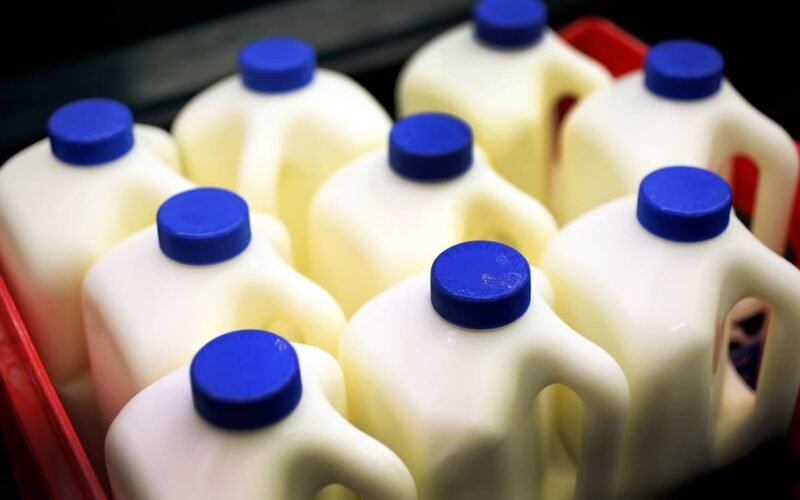
At the heart of the current regulatory process are applications for consent variations at Fonterra’s Clandeboye, Darfield, and Studholme processing sites. These applications would, under specific circumstances, allow for the disposal of raw milk onto land or into wastewater systems. Fonterra, however, has moved to temper the controversy, describing the requests as a “force majeure” safeguard rather than an shift in operational strategy.
According to the co-operative, these measures are intended strictly for emergency situations during the peak spring season. Fonterra emphasizes that it successfully navigated the most recent spring peak without the need to dispose of raw milk, relying instead on a complex logistical network. This involves shifting milk volumes across its 24 New Zealand manufacturing plants, optimizing product mix, and facilitating cross-strait transfers between the South Island and the North Island. The company maintains that land-based or wastewater disposal would only be considered as a last resort, subject to rigorous consent controls and regulatory oversight.
Environment Canterbury (ECan), the regional council responsible for managing the resource consent process, is currently conducting a technical review of these applications. The process is being closely watched by industry stakeholders and community groups alike, as it highlights the increasingly complex nexus of processing resilience, peak-milk logistics, and environmental stewardship.
Central to this regulatory assessment is the involvement of mana whenua. Under New Zealand’s resource consent framework, ECan must weigh the environmental and cultural impacts of the proposal against their statutory obligations. A pivotal moment in this process will be the council’s determination on whether to publicly notify the applications. Public notification would grant Canterbury communities and affected stakeholders a formal platform to participate in the decision-making process, ensuring that concerns regarding freshwater degradation and nitrogen leaching are placed on the public record.
For now, the applications remain a focal point for the future of dairy infrastructure in the South Island. As the region moves toward 2027, the dialogue surrounding these consents reflects a broader national tension: how to balance the economic output of a multi-billion-dollar dairy industry with the urgent requirement to protect freshwater ecosystems.
The outcome of the technical review will likely set a significant precedent for how large-scale processors manage seasonal volatility in an era of heightened environmental scrutiny. As ECan deliberates, the industry faces an ongoing challenge to prove that its logistical resilience does not come at the cost of the region’s long-term environmental health. Until a final decision is reached, the debate serves as a reminder that the growth of New Zealand’s dairy sector is increasingly being defined by its ability to operate within, rather than alongside, its environmental boundaries.
Disclaimer: This content is auto-generated for informational purposes only.
Source: Read Original News