









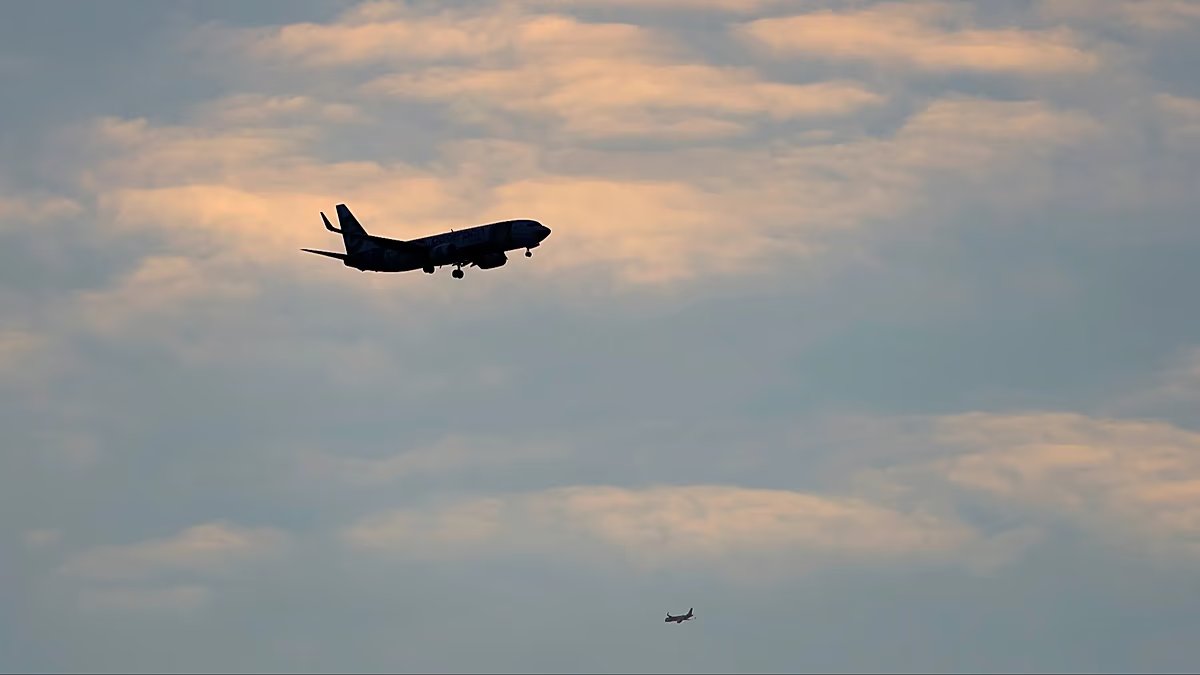
DOHA – International aviation corridors connecting Europe to the Gulf and Asia were thrown into chaos on Thursday afternoon as Kuwaiti airspace was abruptly shut following a drone attack that left four people injured and two European nationals dead.
The closure, which forced a mass redirection of civilian flights, came after the Kuwaiti military confirmed that “a number of hostile” drones had been intercepted within its borders. The incident, which occurred during peak transit hours, compelled pilots to execute sharp, emergency heading changes, shifting the entire flight path south toward neighboring countries to avoid the volatile zone.
According to a statement from the Kuwaiti Ministry of Defence, the drone strike targeted a “vital facility,” resulting in significant material damage. Falling shrapnel from the intercepted drones caused injuries to four individuals, who were immediately transported to local hospitals.
Tragedy also struck the international community, as Italy’s Foreign Ministry confirmed that two Italian employees of the German defence group Rheinmetall were killed in the attack.
In a sharp diplomatic escalation, the Iranian embassy in Rome “categorically” denied Tehran’s involvement in the strike. In a statement posted to X, the embassy dismissed the event as an “alleged drone attack,” instead pointing to the broader instability in West Asia. The embassy blamed the current climate on “the consequences of US and Israeli military aggression against Iran,” noting that such hostilities have persisted for nine months since the outbreak of war in late February.
The attack follows a heightened security alert issued just 24 hours earlier by the US Virtual Embassy in Iran. Washington had warned that Tehran, alongside Yemen’s Houthi forces and other regional affiliates, might attempt to target US interests, corporate assets, and citizens across the Middle East. That warning came on the heels of previous strikes against US assets in Bahrain and Kuwait, as well as a Houthi attack on a Riyadh financial district tower that left 11 people wounded.
The regional air traffic corridor—a vital artery linking Europe to major hubs in Doha, Abu Dhabi, and Dubai—has become increasingly perilous since the onset of the conflict. Commercial airlines, including those carrying passengers on the affected route, had been operating under strict protocols, with aircraft instructed to carry additional fuel to account for potential emergency diversions or prolonged holding patterns caused by sudden military closures.
The incident underscores the precarious position of Gulf states, which have increasingly found themselves caught in the crossfire of the broader standoff between Washington and Tehran. Tensions remain particularly acute around the Strait of Hormuz, where the US military continues to escort vessels in defiance of Iranian efforts to shutter the strategic waterway.
Aviation authorities are expected to maintain strict security measures throughout the region as the situation develops, with passengers being advised to brace for continued flight cancellations and extended delays.
Disclaimer: This content is auto-generated for informational purposes only.
Source: Read Original News