





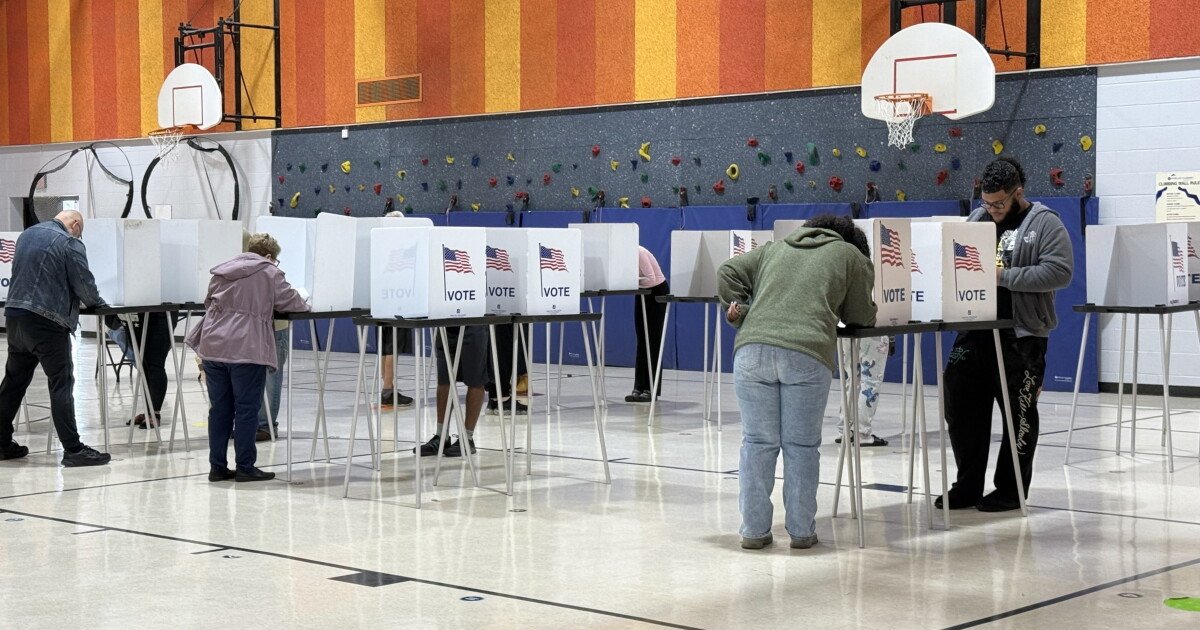
LANSING, Mich. — Michigan’s 2026 midterm election cycle officially drew to a close on Monday as the Board of State Canvassers certified the results of the November 3 vote. The certification, finalized during a meeting in Lansing, marks the end of a long administrative process, though legal challenges regarding new campaign finance regulations remain on the horizon.
Jonathan Brater, Michigan’s director of elections, praised local officials for their work, noting that the certified results reflect both the will of the voters and the rigorous efforts of staff to maintain a secure and accessible system. “The vote totals on these pages represent the choices of Michigan voters, but they also represent the countless hours that local election officials have spent over the past two years,” Brater said.
While the election results are now official, losing campaigns have until 5 p.m. Wednesday to request a recount. However, the Michigan Bureau of Elections reported no such petitions as of Monday afternoon. Given that most races were decided by comfortable margins, officials do not expect a flurry of filings.
The meeting was not without tension. Several attendees took to the floor to voice debunked claims regarding election integrity. Former state Sen. Patrick Colbeck, a prominent voice in the “Stop the Steal” movement, urged the board to halt certification to allow for further inspection of voting machines. Colbeck admitted he had no evidence of tampered results, but insisted that the lack of broad machine audits rendered the certification premature.
The board pushed back firmly. Vice Chair Mary Ellen Gurewitz rebuked Colbeck’s assertion, emphasizing that Michigan’s certification process is backed by extensive pre-election testing and statutory safeguards. “Our certification is not just a rubber stamp,” Gurewitz said, eventually telling Colbeck, “Maybe it’s time to give it up.” Shortly after the vote to certify was finalized, an audience member was removed from the chamber following a series of disruptive outbursts.
With certification complete, the focus now shifts to the implementation of Proposal 2, a voter-approved initiative aimed at curbing the influence of money in politics. The law, which limits campaign contributions from publicly regulated utilities and large government contractors, is scheduled to take effect on December 3.
Supporters, represented by attorney Sam Bagenstos, view the measure as a vital step in ending “pay-to-play” politics. “Monopolies that depend on state officeholders can’t contribute to those state officeholders as part of the effort to maximize their profits,” Bagenstos said.
However, the policy is already under siege in federal court. Utilities and a free-market think tank, the Mackinac Center for Public Policy, have filed separate lawsuits arguing the restrictions violate free speech rights. While plaintiffs are seeking preliminary injunctions to stall the law’s implementation, legal experts expect further developments in these cases in the coming days.
Disclaimer: This content is auto-generated for informational purposes only.
Source: Read Original News