







At the COP31 climate summit in Antalya, Turkey, the atmosphere was widely characterized by diplomatic dysfunction and a lack of substantial intergovernmental progress. However, beneath the stalled negotiations, a different story was unfolding: the assertive and pragmatic expansion of China’s clean-technology sector.
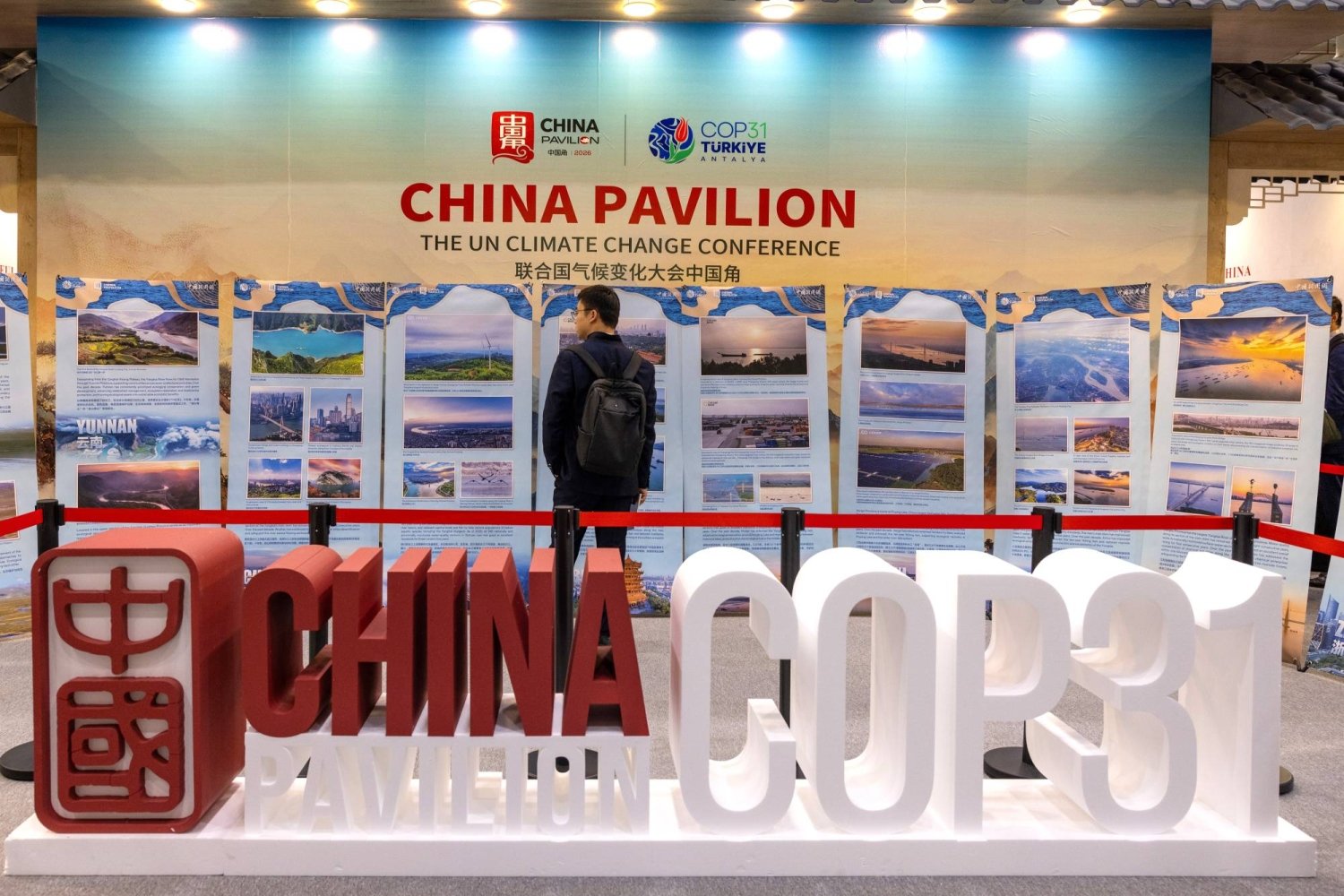
While official Chinese diplomats maintained a relatively low profile during the two-week event, the country’s corporate sector took center stage. At the official China pavilion, more than ten world-leading companies showcased technologies that have become central to the global energy transition. Solar manufacturer Longi Green Energy Technology highlighted its expansion into data-center battery storage, while battery giant CATL focused on decarbonizing its massive supply chain.
For these firms, COP31 served as a crucial global marketplace. With domestic demand growth softening at home, Chinese companies are increasingly looking abroad to sustain their momentum. This push comes at a critical time: China’s clean-tech exports, including electric vehicles (EVs) and batteries, reached a record 1 trillion yuan ($150 billion) this year—a figure equivalent to the entire annual carbon footprint of Brazil.
The business appetite was evident in the $15 billion memorandum of understanding signed between China and Turkey to develop clean-energy projects, a deal solidified during a green business forum that drew hundreds of representatives to Istanbul on the summit’s opening day.
However, the international landscape is increasingly fraught with geopolitical friction. Chinese manufacturers currently face a formidable wall of tariffs, including duties of up to 45% in the European Union and 100% in the United States. To circumvent these barriers and maintain market access, many firms are shifting their strategy from purely exporting goods to “onshoring” production—establishing factories directly within the markets they intend to serve.
“We see more and more requirements arising from different countries for a globalized supply chain,” said Leon Zhang, overseas managing director at Longi. He noted that the company is currently in active discussions regarding the establishment of local supply chains, signaling that more overseas manufacturing announcements are on the horizon.
Similarly, Ming Yang Smart Energy Group, a leader in wind-turbine manufacturing, is recalibrating its global footprint. After a proposed factory in Scotland was blocked by the U.K. government on national security grounds, the company has begun weighing new locations based on market fundamentals rather than mere government incentives. “Onshoring manufacturing is the macro trend of the world,” said Aman Wang, Ming Yang’s vice president for global strategy. “We’re preparing ourselves to try to be a local corporate citizen.”
This shift presents a complex balancing act for Beijing. While relocating production helps ensure these companies remain competitive in the face of Western protectionism, it also risks hollowing out China’s own industrial base—a concern that has led policymakers to restrict certain technology exports to maintain a domestic competitive edge.
Despite these tensions, there is a broad consensus that the global transition to net-zero remains tethered to Chinese innovation. With over 75 countries pledging to accelerate electrification at COP31, the reliance on China’s supply chains—the most complete in the new energy sector—remains an unavoidable reality.
As companies like the Hangzhou-based smart-systems provider Tuya continue to forge new partnerships in Europe through AI-driven weather forecasting, the message remains clear: the private sector is bypassing the gridlock of global climate diplomacy. By embedding themselves into foreign industrial bases, Chinese clean-tech firms are betting that their technological necessity will ultimately outweigh the political barriers erected against them. For these companies, the climate crisis is not just a policy challenge; it is a global business opportunity that they are determined to capture, one local partnership at a time.
Disclaimer: This content is auto-generated for informational purposes only.
Source: Read Original News