






Investigative Journalist Barred from Leaving India: Delhi Airport Standoff Sparks Concerns Over Press Freedom
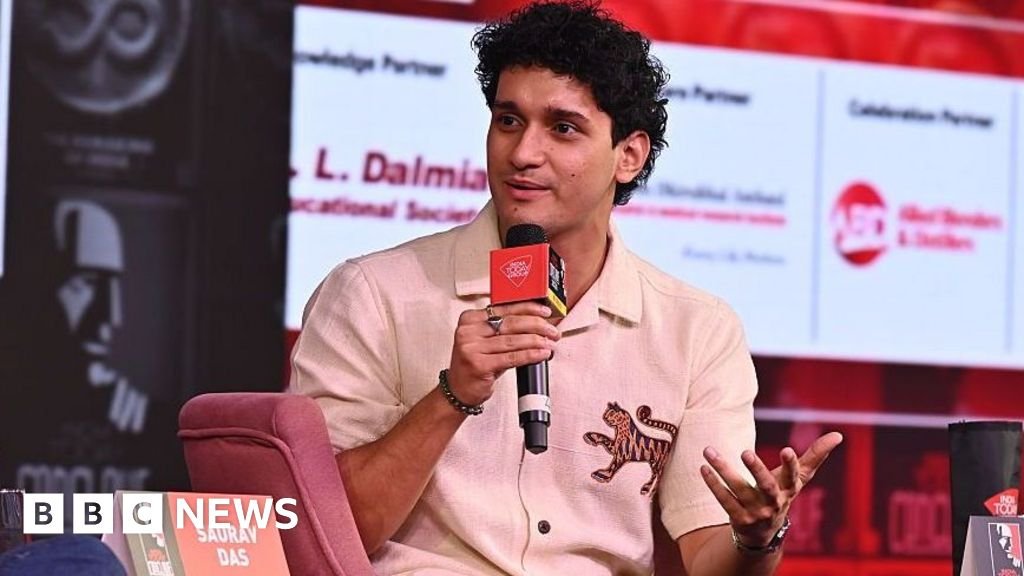
In a troubling development for media rights in India, investigative journalist Saurav Das was prevented from boarding an international flight at Delhi’s Indira Gandhi International Airport late last week. Das, known for his rigorous reporting on transparency and government accountability, was informed by immigration officials that his passport had been “flagged,” effectively barring him from traveling abroad.
The incident has triggered widespread concern among civil society organizations and media advocacy groups, who view the move as part of an escalating pattern of travel restrictions imposed on journalists, activists, and academics critical of the state.
The Airport Standoff
According to Das, the ordeal began when he reached the immigration counter to check in for a scheduled overseas trip. After scanning his passport, officials reportedly directed him to a separate holding area. Following a period of uncertainty, immigration personnel confirmed that his travel documents were under a “lookout circular” (LOC)—a restrictive measure typically used to prevent individuals from fleeing the country to evade legal proceedings or police investigation.
“I was told my passport was flagged, but no specific legal notice or prior communication had ever reached me,” Das stated following the incident. Despite his attempts to seek clarification on which agency had issued the alert and the specific legal grounds for the action, authorities remained tight-lipped, offering no concrete documentation or explanation beyond the initial claim of a flagged status.
Patterns of Restriction
The detention of Saurav Das follows a string of similar incidents involving prominent public figures and journalists. Over the past few years, several high-profile critics of the government have reported being turned away at airports, often discovering that a lookout circular had been issued against them without their knowledge.
Critics argue that the misuse of LOCs has turned immigration checkpoints into tools of informal surveillance and harassment. Legal experts point out that while LOCs are essential for tracking serious criminals and fugitives, their application against journalists—often without a registered First Information Report (FIR) or judicial summons—raises significant constitutional questions regarding the right to freedom of movement and the freedom of the press.
A Chill on Investigative Reporting
Saurav Das has built a reputation for scrutinizing public policy and exposing bureaucratic lapses. His work, which frequently relies on the Right to Information (RTI) Act, has often placed him at odds with powerful institutional interests.
“This is not just about an individual’s travel plans; it is about the structural suppression of voices that hold power to account,” said a representative from a prominent press club. “When journalists are subjected to such arbitrary measures, it creates an environment of fear that inevitably leads to self-censorship.”
As of now, the Ministry of Home Affairs and the Bureau of Immigration have not issued a formal statement regarding the specific reasons for the restriction on Das. The journalist is currently evaluating his legal options to challenge the validity of the lookout circular in court.
For the broader media fraternity in India, the incident serves as a stark reminder of the fragile state of journalistic autonomy. As legal challenges loom, the case of Saurav Das will likely become a focal point in the growing debate over the limits of executive power and the protection of fundamental rights in the world’s largest democracy.
Disclaimer: This content is auto-generated for informational purposes only.
Source: Read Original News