







Satellite Intel Reveals Accelerating Chinese Construction on Yarlung Tsangpo
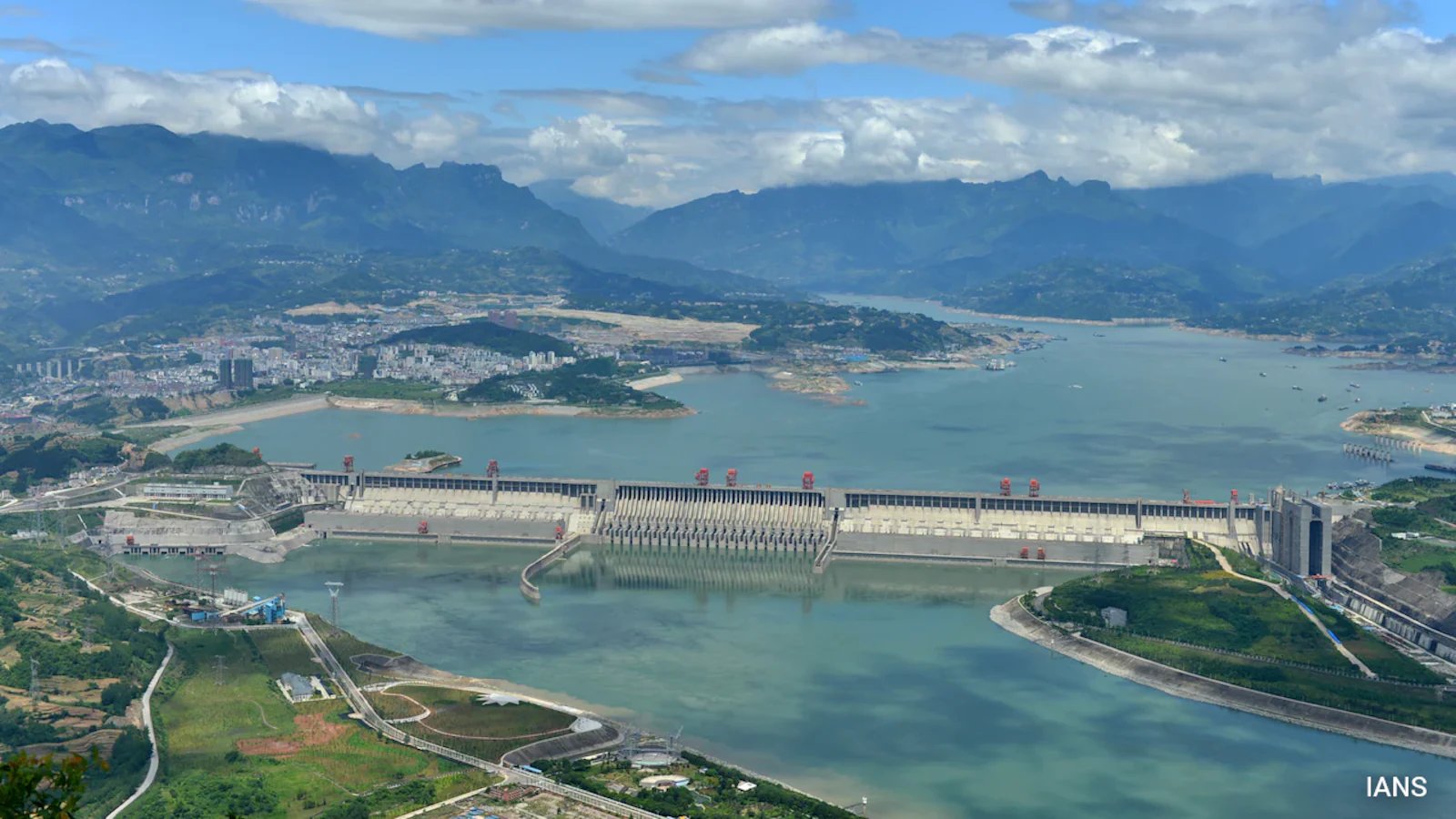
Guwahati: New geospatial analysis has uncovered significant, ongoing infrastructure expansion by China at the site of its colossal 60,000-megawatt hydropower project on the Yarlung Tsangpo river. Recent satellite imagery highlights a transformation of the landscape near the project’s main dam site and tunnel systems, fueling long-standing anxieties in India regarding the ecological and strategic implications for the Brahmaputra river basin.
The study, conducted by EarthSense Labs—a geospatial AI startup incubated at IIT Delhi—tracks construction progress near the Medog County area. The Yarlung Tsangpo, which eventually flows into India’s Arunachal Pradesh as the Siang before becoming the Brahmaputra in Assam, sits at the heart of this complex geopolitical water issue.
Rapid Infrastructure Development
The assessment provides a timeline of the site’s development, noting that by August 2025, the area near the main dam site at Mainling had undergone substantial changes. Satellite data reveals the removal of existing settlements and agricultural plots, replaced by heavy earthworks, newly laid road networks, and clusters of temporary office and residential facilities.
Furthermore, imagery monitoring the tunnel outlet downstream indicates a multi-year industrial buildup. What began as road development in 2018 has matured into a sophisticated site featuring concrete production facilities, bridges, and industrial-residential zones. The presence of heavy machinery confirms that Beijing is prioritizing this project, which aims to leverage the river’s 2,000-meter elevation drop at the “Great Bend” of the Namcha Barwa mountain range. Launched formally in July 2025 with an estimated investment of $168 billion, the 60 GW project is set to be the largest of its kind globally.
India’s Strategic Response and Internal Friction
The advancement of China’s “cascade” of dams poses a potential threat to river flow regulation and downstream ecology in India. In response, New Delhi has proposed the 11,200 MW Siang Upper Multipurpose Project (SUMP) in Arunachal Pradesh. Officials argue that this dam could serve as a vital buffer against sudden fluctuations in water discharge from the Chinese side.
“The Siang Mega dam is a strategic project important for the growth and development of Arunachal Pradesh,” Union Home Minister Amit Shah stated during a recent visit to the region. Recognizing the sensitivity of the situation, Shah emphasized that the project would be handled through positive dialogue, promising that the indigenous heritage and traditions of local communities would remain protected.
However, the proposal has encountered stiff resistance from the local Adi community. Groups such as the Adi Bane Kebang United and the Siang Indigenous Farmers’ Forum have warned that a massive reservoir would submerge ancestral lands and devastate traditional livelihoods.
As the Indian project remains in the pre-feasibility stage, the lack of a formal, binding water-sharing treaty between India and China continues to be a point of diplomatic tension. With no clear mechanism for sharing hydrological data, the developments in the Yarlung Tsangpo valley remain a critical focus for both Indian security analysts and environmental observers.
Disclaimer: This content is auto-generated for informational purposes only.
Source: Read Original News