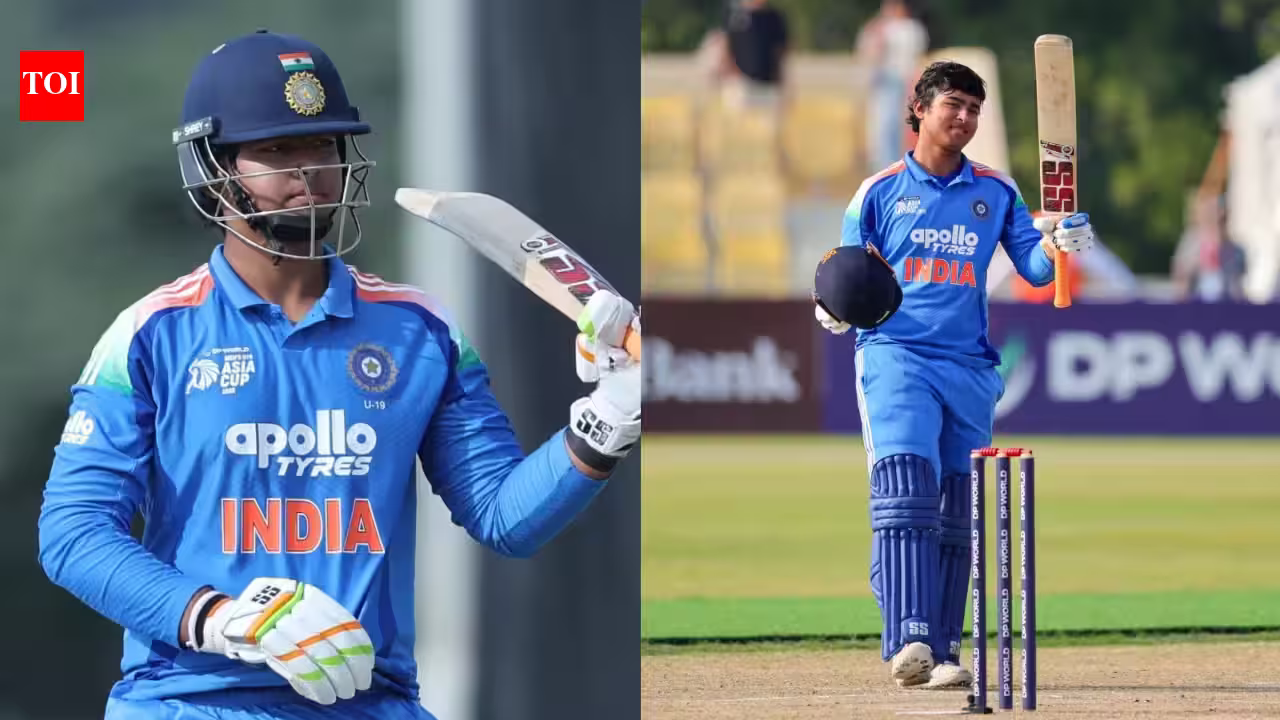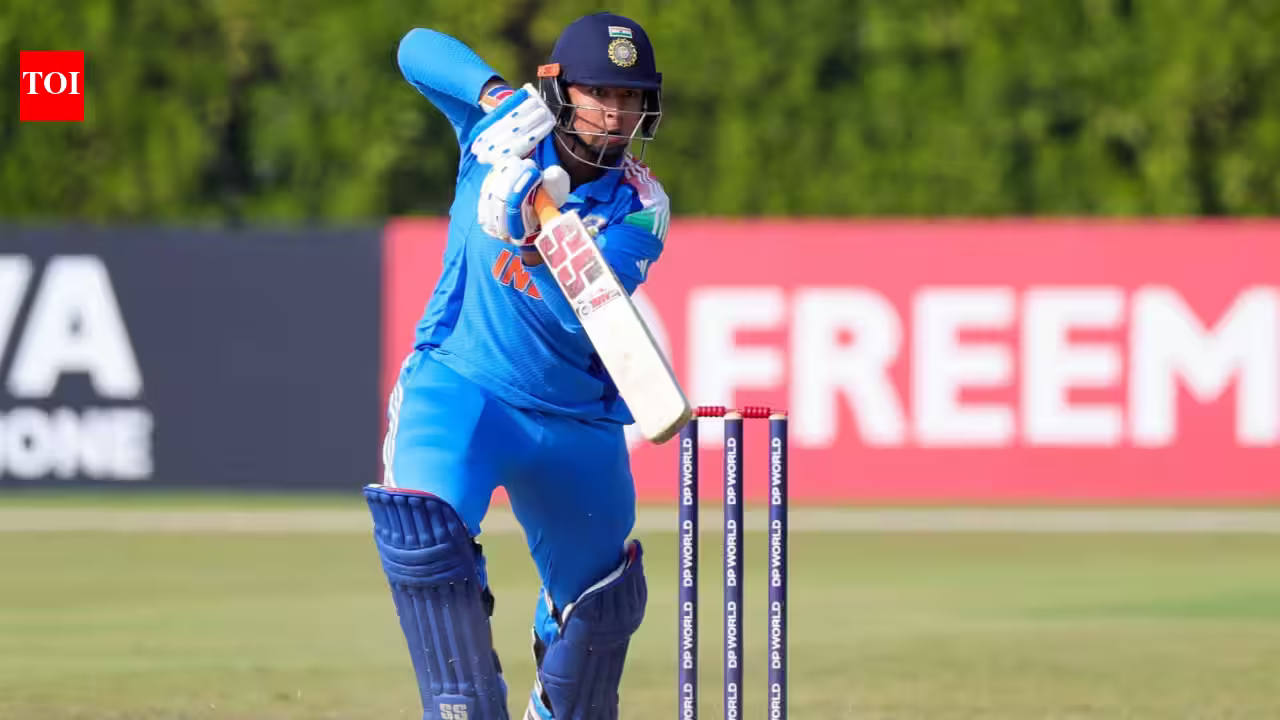









DOHA — In an era where T20 cricket has redefined the boundaries of aggressive batting, Vaibhav Sooryavanshi has managed to do the unthinkable: he has brought the spirit of the shortest format into the List A arena, producing a performance that will be discussed for decades to come. On Tuesday, during the ACC Men’s Asia Cup Rising Stars tournament in Doha, the teenage prodigy did not just play an innings; he dismantled the record books with a 28-ball century that stands as the fastest ever in List A history.
The atmosphere in Doha was electric as India A set their sights on a 250-run target against the United Arab Emirates. While the chase was technically a requirement to secure a semi-final berth, Sooryavanshi turned the evening into a personal exhibition of raw, unadulterated power.
A Storm of Statistical Significance
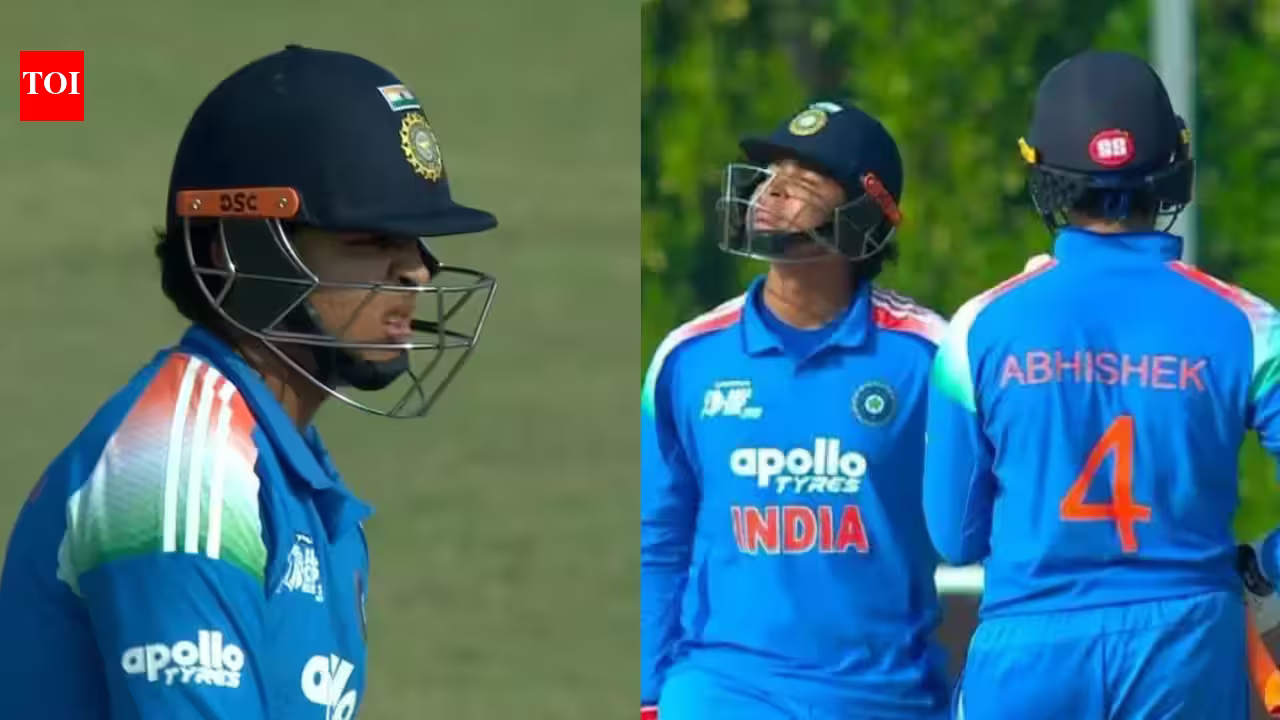
Sooryavanshi’s assault began from the very first over, dispatched by Zahid Ali. With a calculated ferocity, the opener launched three massive sixes, signaling that he had no intention of playing a traditional building knock. Opening the innings with the experienced Abhishek Sharma, Sooryavanshi provided the engine room for a start that defied logic. By the time Abhishek fell for 12, the scoreboard already read 68-1. That milestone was achieved in a mere 3.3 overs.
The numbers following the innings are nothing short of staggering. Sooryavanshi reached his half-century in just 16 deliveries. He is now officially the only batter in List A history to have recorded two separate half-centuries in 16 balls or fewer, a testament to a level of consistency in aggression that remains unmatched. He eventually raced to his century in 28 balls, officially eclipsing the 29-ball record previously set by Jake Fraser-McGurk in Adelaide last year.
Team Dominance and New Records
The carnage did not stop with the individual heroics. Sooryavanshi’s blade fueled an India A performance that shattered the team record for the fastest century in a List A innings. The team reached the 100-run mark in just five overs.
To put that in perspective, the previous record for the fastest team century—where ball-by-ball data is documented—stood at 6.3 overs, a mark held jointly by New Zealand (against Sri Lanka in 2015) and India A themselves (against Sri Lanka A earlier this year). By shaving nearly an over and a half off that record, this India A side signaled that the ceiling for white-ball run-scoring continues to rise.
The UAE Struggle and Fightback
Before the fireworks, the UAE had managed to put together a respectable score on a pitch that demanded discipline. After being asked to bat first, the UAE faced early turbulence, sliding to 20/2 within the first six overs as Harshit Rana and Arshad Khan found early movement and rhythm.
It was Harpreet Singh Bhatia who stabilized the ship, playing a gritty and calculated anchor role. Bhatia’s career-best 130 off 144 balls provided the backbone of the UAE innings, featuring 12 boundaries and four towering sixes. Despite strong support from Muhammad Shahdad and Ethan D’Souza, and a brisk 36 off 36 from Basil Hameed, the UAE total of 249/8 felt competitive until Sooryavanshi took the field. Arshad Khan was the pick of the Indian bowlers, finishing his spell with impressive figures of 4/43.
The “Sooryavanshi” Question
As the dust settles in Doha, the conversation in cricket circles has already shifted from the records themselves to the future of the man who set them. At such a young age, displaying the technical facility to clear the ropes at will and the mental composure to maintain such a high strike rate, the question of international elevation becomes inevitable.
Polls across the region have been flooded with fans demanding his inclusion in the senior national setup. While the transition from List A to the senior international stage is fraught with challenges, Sooryavanshi’s ability to thrive under pressure in a tournament as significant as the Asia Cup Rising Stars suggests he is far from a one-hit wonder.
Whether this performance is the catalyst for a rapid ascent to the Indian senior squad remains to be seen. However, one thing is certain: on a Tuesday in Doha, the cricket world witnessed a glimpse of the future. Vaibhav Sooryavanshi didn’t just beat the UAE; he rewrote the manual on how to open a batting innings, setting a standard that the rest of the cricketing world will be chasing for a long time to come.
Disclaimer: This content is auto-generated for informational purposes only.
Source: Read Original News