






EPG Report Declared ‘Irrelevant’ by New Delhi: Expert Controversy Erupts
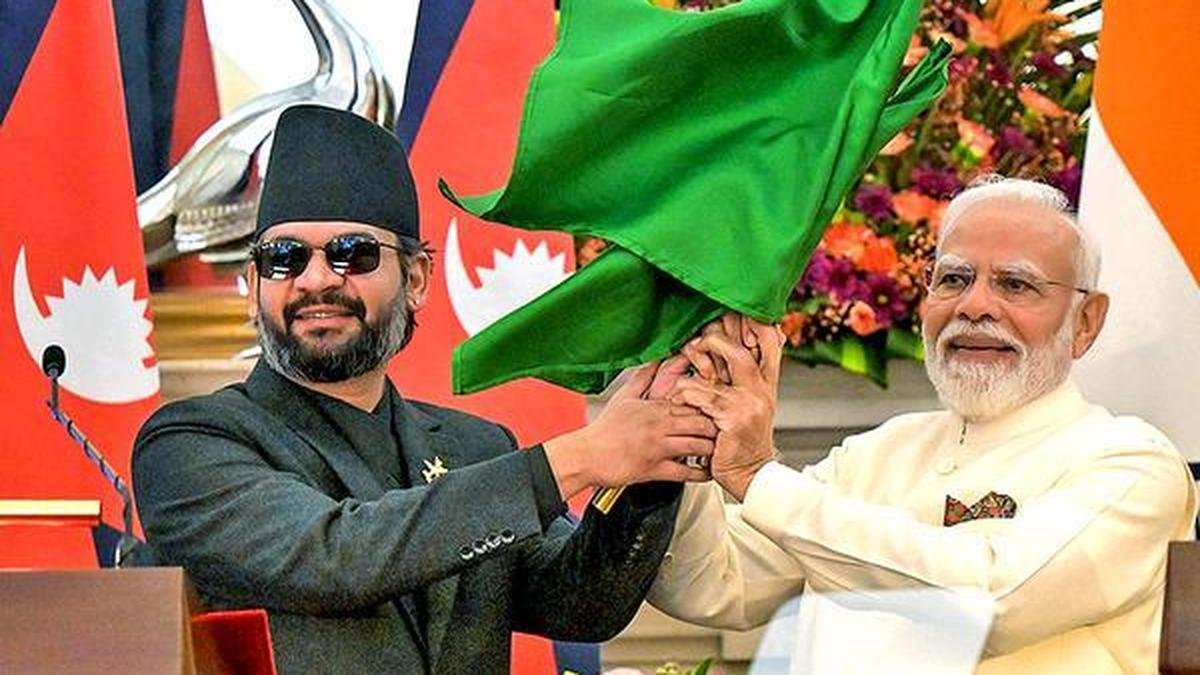
A significant diplomatic disagreement has emerged regarding the future of India-Nepal relations following comments by Foreign Secretary Vikram Misri. During a press briefing held in the wake of Nepali Prime Minister Balendra Shah’s visit to New Delhi, Mr. Misri dismissed the long-standing Eminent Persons Group (EPG) report as “not relevant,” signaling a shift toward a new, forward-looking bilateral strategy that effectively archives the group’s historical work.
The EPG report, which was finalized in 2018, was intended to serve as a comprehensive roadmap for addressing complex bilateral issues, including the 1950 India-Nepal Friendship Treaty and lingering border disputes like the Kalapani region. Despite the significant resources and time invested in the initiative, the document has remained under lock and key for years, never officially presented to the Indian government.
Disappointment Among EPG Architects
The characterization of the report as irrelevant has drawn sharp criticism from those who helped draft it. Professor Mahendra P. Lama, a former member of the EPG and an academic at Jawaharlal Nehru University, expressed frustration over the government’s stance. According to Professor Lama, the report was the culmination of extensive research, including field visits to critical infrastructure sites like Visakhapatnam port, and contained highly constructive recommendations aimed at bolstering the partnership between Delhi and Kathmandu.
“It is quite strange that we were never afforded the opportunity to present our findings formally,” Professor Lama stated. He noted that the team had made tactical errors in their approach to the release protocol, hoping for a synchronized unveiling by both Prime Ministers that ultimately never materialized. He warned that the lack of official acknowledgement has led to the recommendations circulating unofficially in Kathmandu, which he believes undermines the integrity of the bilateral process.
A Shift in Diplomatic Strategy
Foreign Secretary Misri’s recent comments suggest that India is moving away from the mechanisms established in 2016. During the joint discussions with Prime Minister Shah, the focus remained firmly on contemporary concerns such as energy, connectivity, and trade. “The EPG is in the past,” Mr. Misri asserted, emphasizing that the current leadership is prioritizing a fresh approach rather than dwelling on the unresolved historical deliberations of the group.
Bhek Bahadur Thapa, the former Nepali ambassador and the EPG coordinator for the Nepali delegation, defended the validity of the work, noting that the document was never a unilateral product. It was, he emphasized, a collaborative effort born from bilateral consensus between experts appointed by both nations.
Legacy of the 2016 Mandate
The EPG was originally conceptualized during the 2016 meeting between Prime Minister Narendra Modi and then-Prime Minister K.P. Sharma Oli, a period marked by significant tension following border blockades. The secretariat for the group was hosted by the Institute of Defence Studies and Analyses (IDSA), with high-level diplomatic participation from both sides of the border.
Interestingly, several officials currently steering the India-Nepal relationship were deeply involved in the EPG process between 2016 and 2018. This includes India’s current ambassador to Nepal, Sudhakar Dalela, and Nepal’s ambassador to India, Nischal Nath Pandey, both of whom were key stakeholders during the group’s active years. As Delhi charts a new path forward, the archival of this report marks the end of an era in bilateral diplomacy, leaving questions about how, or if, the specific recommendations made by the experts will ever influence future policy.
Disclaimer: This content is auto-generated for informational purposes only.
Source: Read Original News