






A formal request for urgent intervention has been issued regarding the ongoing pollution of aquatic environments in the Nahuel Huapi region. Concerned citizen Alberto Cervantes has formally demanded immediate action to halt the discharge of raw sewage into the Las Piedritas stream, warning that the current contamination poses a grave threat to both public health and the region’s fragile ecological balance.
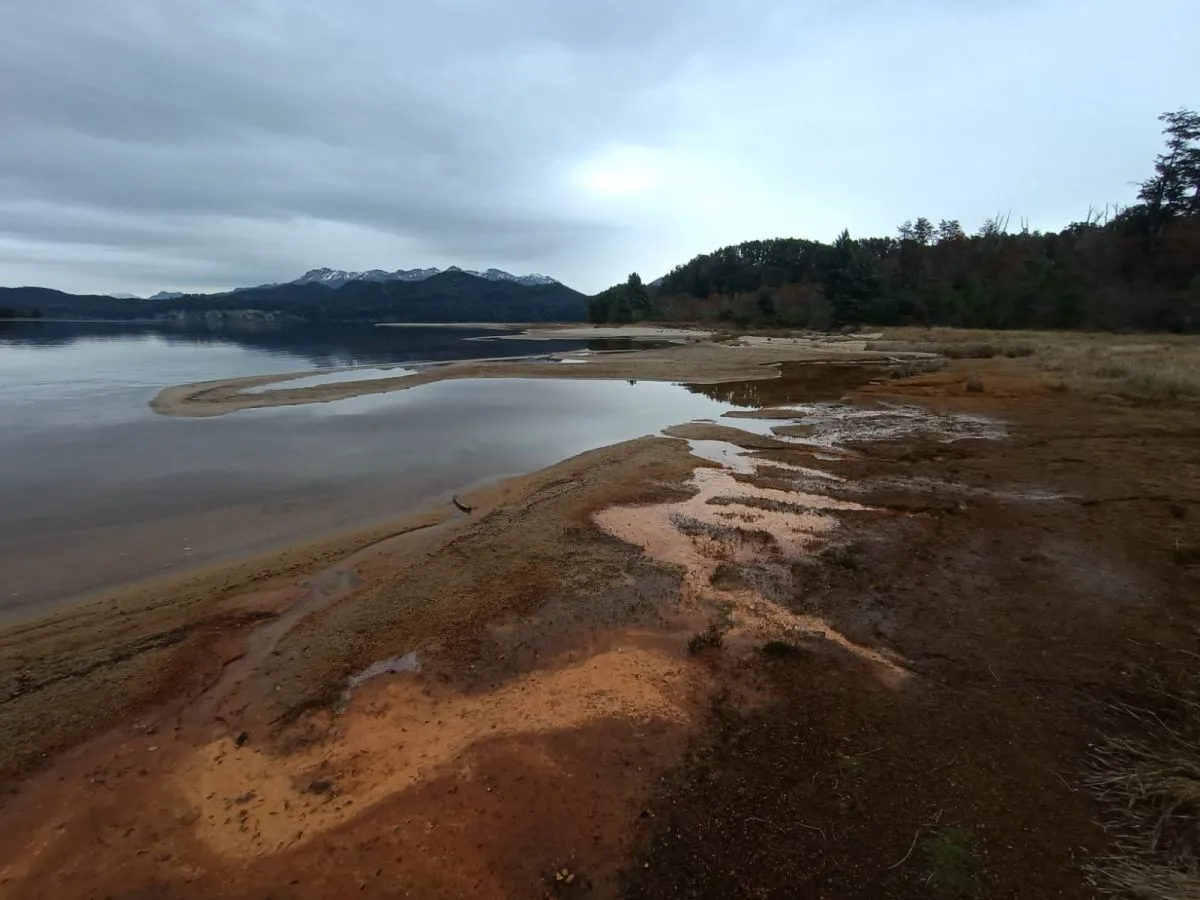
The complaint centers on the operation of a pumping station managed by the Provincial Water and Sanitation Entity (EPAS). According to the report, a “by-pass” system at this facility is currently diverting untreated sewage directly into the watercourse. There is growing concern among residents and environmental advocates that this bypass is not merely a localized issue, but a source of contamination likely to extend downstream into the sensitive Las Balsas bay and, ultimately, into the vast waters of Lake Nahuel Huapi.
Cervantes’ appeal calls upon competent authorities to take immediate steps to plug the discharges, initiate a transparent investigation into why the by-pass mechanism was utilized, and establish accountability for the oversight. Beyond the immediate technical failure, the complaint underscores a critical need for more robust, consistent, and transparent oversight of sanitation infrastructure in regions where aquatic ecosystems are considered part of the national heritage and are essential for the local population’s survival.
The Nahuel Huapi National Park, which serves as the backdrop to this environmental crisis, is a cornerstone of Andean Patagonia’s biodiversity. The park protects a diverse mosaic of forests, wetlands, and mountain streams, acting as a sanctuary for native species such as the huillín (river otter), the pudú, and the endangered huemul deer. The health of these species is inextricably linked to the quality of the water they inhabit.
Ecologists warn that the introduction of untreated sewage into these pristine environments can trigger a cascade of negative effects. When raw waste enters a stream, the surge of organic matter and microorganisms causes rapid degradation of water quality. This process depletes the oxygen necessary for fish, amphibians, and other aquatic organisms to survive. Furthermore, the introduction of excess nutrients can lead to eutrophication—a process that fuels harmful bacterial growth and creates “dead zones” that disrupt the natural food chain and alter the environmental conditions of the surrounding habitat.
The potential reach of these pollutants is particularly alarming given the interconnected nature of the Nahuel Huapi watershed. If the contaminants are allowed to reach the lake, the impact could prove significantly more difficult to remediate. The park’s waters are not only a biological reservoir but also a fundamental resource for local human communities.
“The protection of this environment requires more than passive stewardship,” the complaint suggests. It calls for rigorous water analysis, enhanced sanitary controls, and comprehensive environmental impact assessments to gauge the full extent of the damage. For local residents and environmental groups, the situation at Las Piedritas serves as a stark reminder that institutional transparency and the proper maintenance of sanitation systems are not optional—they are the primary line of defense in preventing irreparable damage to one of Argentina’s most iconic natural landscapes.
As of now, the call for accountability remains at the forefront of the regional conversation, with stakeholders awaiting a response from EPAS regarding the systemic failures that allowed raw waste to compromise such a vital ecosystem.
Disclaimer: This content is auto-generated for informational purposes only.
Source: Read Original News