






The Strategic Shift in Streaming Economics
The landscape of digital entertainment is currently undergoing a significant transformation, characterized by aggressive pricing models designed to capture market share during the peak holiday shopping season. As Black Friday approaches, major streaming platforms are deploying unprecedented promotional pricing strategies. This shift represents a move toward high-volume customer acquisition, prioritizing long-term user retention over immediate high-margin revenue. By locking subscribers into twelve-month contracts at heavily discounted rates, these service providers are aiming to stabilize their user bases and mitigate the risks associated with rapid churn.
The current wave of promotions is not merely a seasonal tactic but a reflection of the intense competition for consumer attention. With the consolidation of media giants and the evolution of ad-supported tiers, platforms are leveraging data-driven pricing to make their services more accessible than ever before. This strategy forces consumers to evaluate their entertainment expenditures, potentially leading to a permanent change in how households assemble their digital media libraries.
Consolidated Bundles and Competitive Tiering
Perhaps the most notable development in this year’s promotional cycle is the aggressive bundling of services. The combined offering from Disney+ and Hulu, which provides access to both libraries via ad-supported tiers for $4.99 per month, represents a 61% reduction in cost. This bundle is specifically engineered to maximize the value proposition for new and returning subscribers. By integrating two massive content libraries into a single monthly bill, Disney is effectively creating a unified ecosystem that is difficult for competitors to match on a per-content basis.
Furthermore, this pricing model highlights the industry’s pivot toward ad-supported tiers. These tiers have become the primary vehicle for growth, allowing companies to tap into two distinct revenue streams: subscription fees and programmatic advertising. For the user, this provides a low-entry-point gateway into premium content, while for the platform, it ensures a consistent stream of ad inventory that can be sold to marketers targeting specific demographic segments.
Platform-Specific Promotions and Market Fragmentation
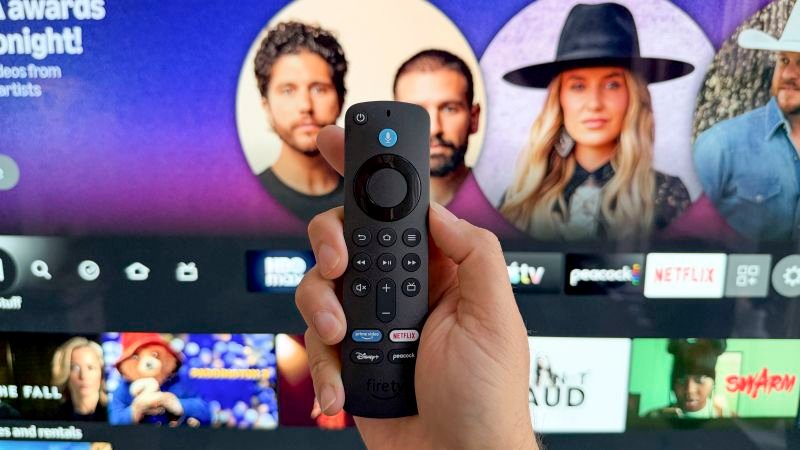
While bundling is a major trend, independent platforms are maintaining their own distinct promotional paths. HBO Max, now operating under the Skydance umbrella following the recent merger, has priced its Basic with Ads tier at $5.49 per month for the first year. A key technical feature of this rollout is its cross-platform availability. Unlike some exclusive offers, this price point is honored across third-party aggregators such as Amazon Prime Video Channels, Roku Subscriptions, and YouTube Primetime Channels. This accessibility is critical for increasing reach, as many users prefer the centralized management of subscriptions through their existing hardware or operating systems.
Paramount+, also part of the newly formed Skydance entity, is taking a different approach by applying a flat, low-cost rate of $2.99 per month across all its monthly subscription plans. This pricing simplicity is intended to lower the friction for users deciding between base-level access and higher-tier features. Meanwhile, NBCUniversal’s Peacock is utilizing a shorter-term discount cycle, offering its Select and Premium plans at reduced rates for a three-month window. This shorter commitment period is designed to entice users to sample the service during the high-demand holiday season without requiring a full-year contract.
The Role of Aggregators in Subscriber Growth
Amazon Prime Video continues to solidify its position as the central hub for the streaming ecosystem. By facilitating third-party add-ons, Amazon provides a consolidated interface for users to manage disparate services like Apple TV+. The current promotion for Apple TV+, which offers a 53% discount for the first six months, underscores the technical advantage held by major distributors.
By allowing these add-ons to reside within the Amazon infrastructure, the platform benefits from simplified billing and increased user time-on-site. For the content partners, utilizing Amazon’s distribution network provides access to millions of Prime members, reducing the customer acquisition cost that would otherwise be required for individual marketing campaigns. This ecosystem approach is increasingly necessary as consumers grow tired of managing multiple logins, separate payment methods, and fragmented user interfaces.
The Standalone Strategy of Market Leaders
In contrast to the prevailing trend of deep discounting and consolidation, some platforms remain steadfast in their refusal to participate in the Black Friday pricing environment. Netflix, as the industry’s largest global streamer, continues to eschew bundles and price reductions. This decision is rooted in a long-standing philosophy that prioritizes the perceived value and stability of the platform’s brand.
By avoiding temporary promotional spikes, Netflix maintains a consistent baseline of revenue and avoids the “price-chopping” cycle that can commoditize content. This strategy relies on the strength of its proprietary content library and a sophisticated algorithm that keeps users engaged through personalized recommendations. While the rest of the industry engages in a race to the bottom to acquire users, Netflix’s refusal to discount serves as a unique data point in the market, illustrating the divide between companies focused on aggressive growth and those focused on maintaining market leadership through brand equity and content exclusivity. As the industry moves toward 2027, the success of these two divergent models will likely dictate the next phase of streaming evolution.
Disclaimer: This content is auto-generated for informational purposes only.
Source: Read Original News