








Balendra Shah’s Delhi Sojourn: A Pragmatic Pivot with Lingering Questions
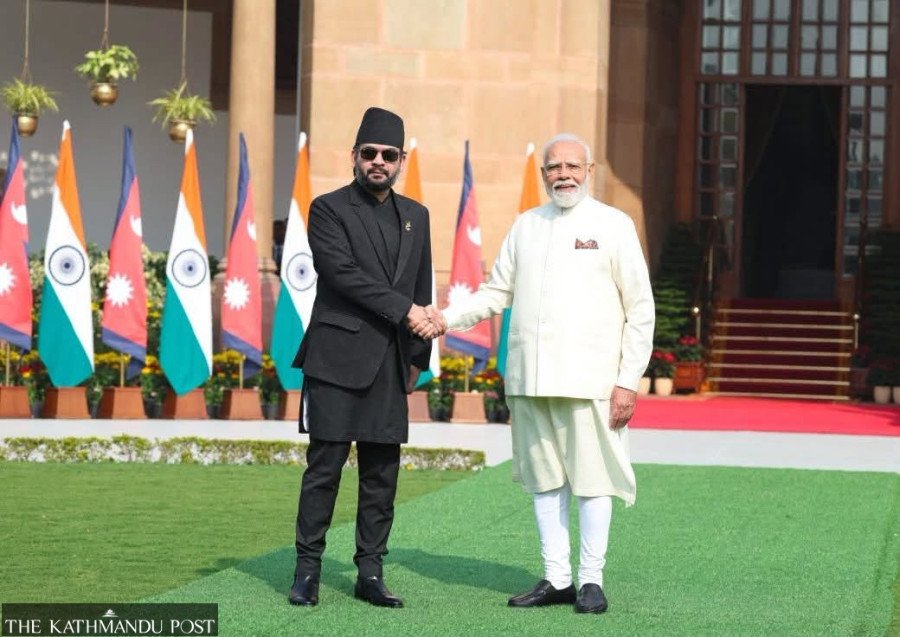
Prime Minister Balendra Shah returned to Kathmandu this week following a high-stakes 25-hour diplomatic sprint to New Delhi. The visit, his first bilateral engagement since assuming office, concluded with a massive pledge of Rs240 billion in financial commitments and several high-profile infrastructure inaugurations. However, while the trip offered plenty of optics and ribbon-cutting potential, it largely sidestepped the thorny, long-standing geopolitical grievances that have historically strained Indo-Nepal relations.
A Financial Windfall or Déjà Vu?
The headline figure of the visit was an infusion of Rs240 billion, structured as Rs56 billion in grants and Rs184 billion in concessional loans earmarked for energy sector development. While the optics of such a significant capital influx are positive, seasoned observers in Kathmandu remain cautious. The structure mirrors past aid packages, notably the post-2015 earthquake relief effort, where loan utilization was hampered by stringent conditions—specifically, requirements that a majority of materials and services be sourced from India. Whether this new tranche of capital will translate into tangible grid progress or remain stagnant on balance sheets remains a significant point of concern for Nepali planners.
Operational Gains: Air Routes and Infrastructure
One of the most concrete takeaways from the bilateral talks was the agreement to transform the B345 Bhairahawa-Lucknow air route into a two-way corridor. This change, sought by Kathmandu for nearly two decades, promises to reduce fuel consumption and flight times for aircraft approaching from the west.
Furthermore, the two leaders inaugurated the Sarayu-Kamala Express, a new rail link connecting Janakpur with Ayodhya, aimed at boosting cross-border religious tourism. Additional project milestones included the ceremonial laying of foundation stones for the Lower Arun hydroelectric plant and the Siliguri-Jhapa petroleum pipeline. While these physical assets represent meaningful economic integration, their long-term efficacy depends heavily on execution speed—an area where, as history shows, past projects have frequently faltered despite grand inaugurations.
Diplomatic Nuance and the “Language of Trust”
A subtle but notable shift in diplomatic style occurred at Hyderabad House. Eschewing the tradition of using English as the primary medium for official remarks, Prime Minister Shah delivered his address in Nepali, with Prime Minister Narendra Modi reciprocating by incorporating Nepali phrases into his own speech. By invoking shared cultural touchstones like Pashupatinath and Muktinath, the two leaders attempted to anchor the modern relationship in historical and religious proximity.
The “Silent” Elephant in the Room
Despite the warmth of the optics, the visit was conspicuously quiet regarding the most contentious issues in the bilateral discourse. The Eminent Persons Group (EPG) report, which has languished in bureaucratic limbo since 2018, was not prioritized, nor was there any substantive movement on resolving long-standing border disputes, including the status of Lipulekh.
While the joint statement included standard language directing foreign secretaries to address boundary matters—a phrase remarkably similar to commitments made over a decade ago—the visit saw no fresh political breakthrough. For a leader who, during his tenure as mayor, frequently demanded a more assertive stance on sovereignty, the Prime Minister’s quietude on the border signals a pragmatic, perhaps even cautious, shift toward prioritizing economic connectivity over historical friction. As the dust settles on this 25-hour visit, the question remains whether this new “vision” is merely a rebranding of old agreements or the beginning of a more transactional, infrastructure-focused era in Kathmandu-Delhi relations.
Disclaimer: This content is auto-generated for informational purposes only.
Source: Read Original News