






US Proposes 17% Tariff Cap on Indian Goods Amid Ongoing Trade Negotiations
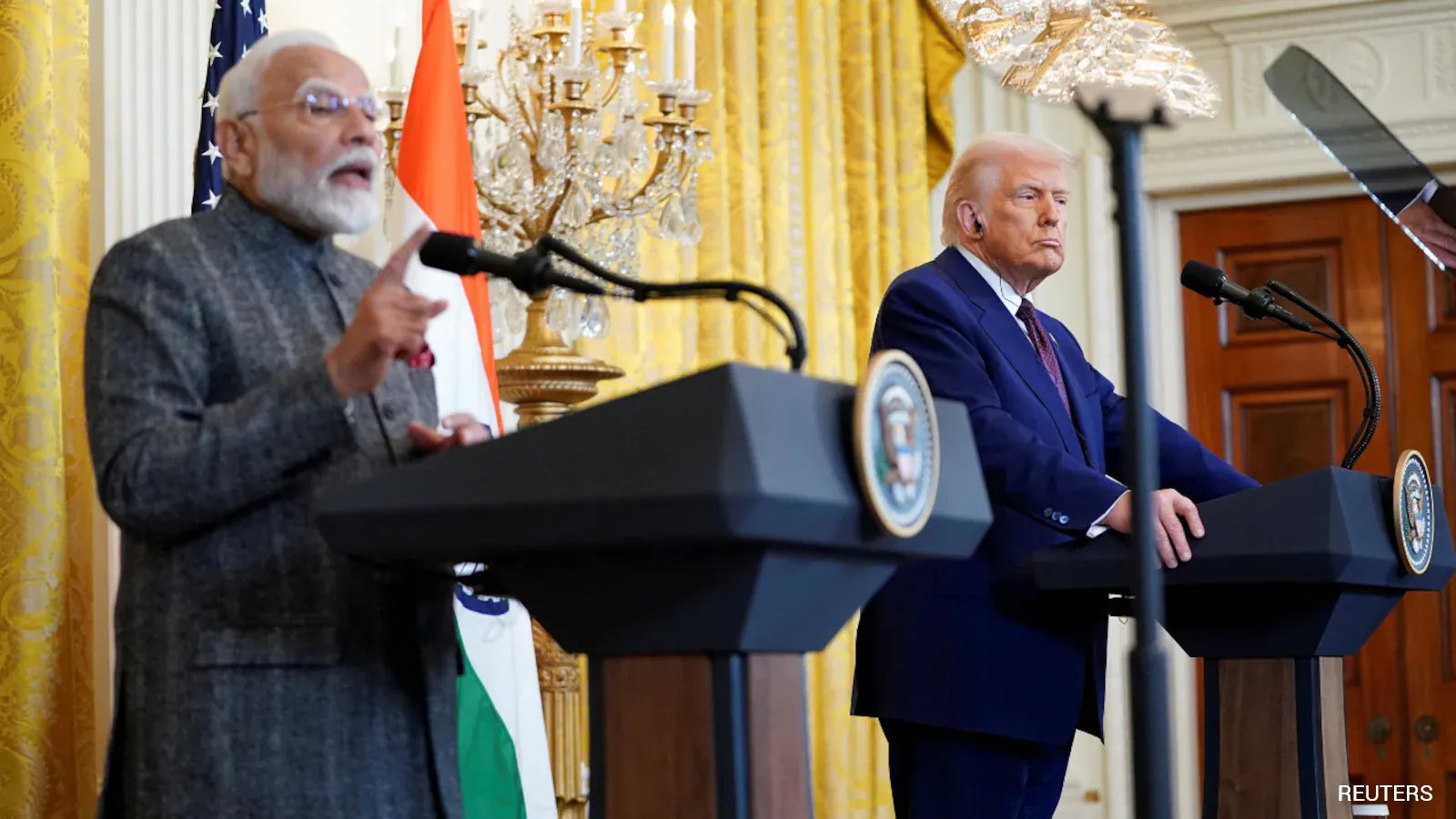
In a significant development for bilateral economic relations, United States Trade Representative (USTR) Jamieson Greer announced on Wednesday that Washington is prepared to cap tariffs on Indian exports at 17% should both nations successfully finalize a comprehensive trade agreement. The statement, delivered during a public briefing, signals a potential de-escalation in trade frictions that have lingered between the two democracies for several years.
The proposed tariff ceiling is being viewed by trade analysts as a strategic “goodwill gesture” aimed at incentivizing New Delhi to address long-standing US concerns regarding market access, intellectual property rights, and regulatory transparency. For Indian exporters, particularly in the textiles, pharmaceuticals, and agricultural sectors, a guaranteed cap would provide a much-needed layer of predictability in an increasingly volatile global trading environment.
Bridging the Policy Gap
For several years, trade relations between the US and India have been characterized by a complex web of duties and counter-duties. While India has sought to protect its domestic manufacturing base through its “Make in India” initiative, the US has frequently pushed for greater liberalization of the Indian market. Greer’s announcement suggests that the Biden administration is shifting toward a framework that emphasizes stability over purely protectionist measures.
“Our goal is to create a predictable environment for businesses in both nations,” Greer noted in his announcement. “By establishing a clear ceiling on tariff adjustments, we believe we can unlock significant investment potential and deepen the strategic partnership between our two nations.”
The proposal is contingent upon India reciprocating with a set of trade concessions. While details of these requirements remain under wraps, government insiders in New Delhi suggest that the focus will likely remain on lowering duties for American high-tech goods, medical devices, and specific agricultural products, such as almonds and dairy.
Economic Implications for India
Industry leaders in India have reacted to the news with cautious optimism. For the Indian manufacturing sector, the 17% threshold could be a game-changer. Currently, certain Indian goods face fluctuating tariff rates that complicate export planning. A formal treaty establishing this cap would not only stabilize costs for Indian exporters but also potentially bolster India’s position as a viable alternative to China in global supply chains.
However, the proposal is not without its domestic critics. Some policy experts in New Delhi have expressed concerns that capping tariffs could limit India’s policy space to protect infant industries. The Indian Ministry of Commerce is expected to convene with industry stakeholders in the coming weeks to assess whether the potential gains in market access to the US justify the concessions required to meet the American conditions.
Path to a Final Agreement
The road to a finalized trade agreement remains complex. Both Washington and New Delhi are currently navigating domestic political pressures, with the US preparing for future electoral cycles and India balancing its pursuit of self-reliance with the need for global integration.
Despite these hurdles, the public declaration by the USTR marks a definitive step forward. If an agreement is reached, it would signify a major pivot toward a more collaborative trade architecture, effectively moving past the protectionist tensions that defined the last decade. Diplomatic sources suggest that senior negotiators from both sides are slated to meet in Geneva later this month to iron out the finer details of the potential accord, with both capitals signaling a strong desire to announce a framework before the end of the fiscal year.
Disclaimer: This content is auto-generated for informational purposes only.
Source: Read Original News