






Addressing Progression Barriers in Ocarina of Time
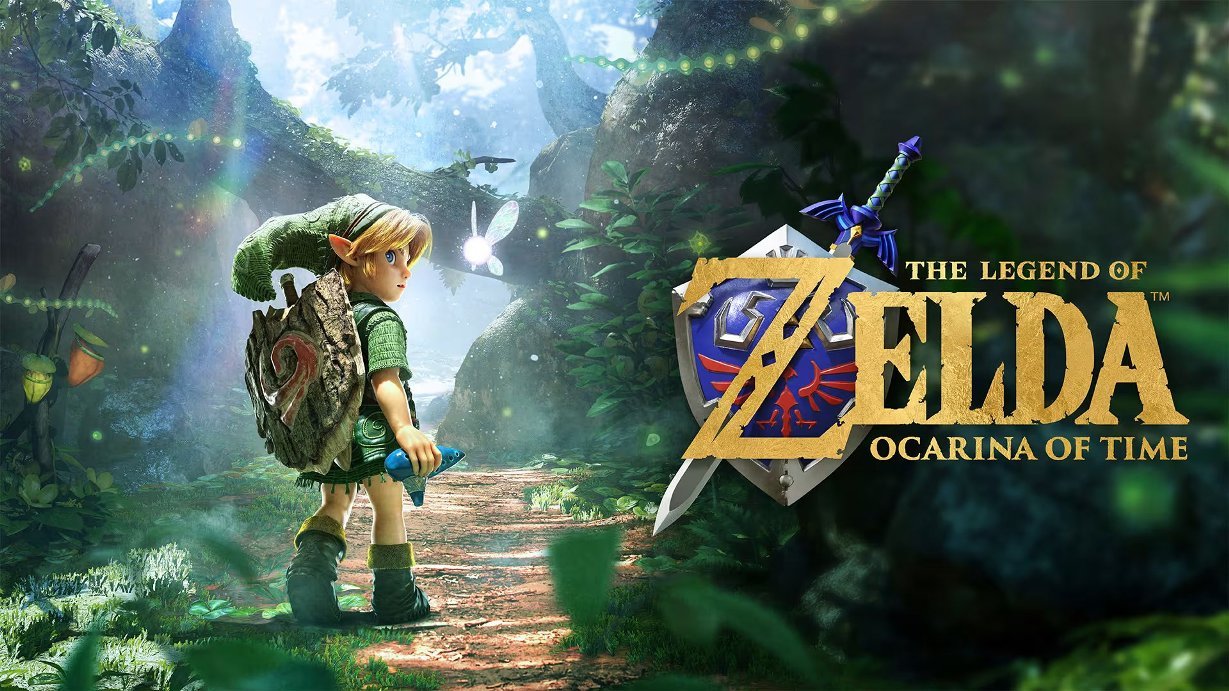
The release of version 1.1.2 for The Legend of Zelda: Ocarina of Time on the Nintendo Switch 2 marks a significant milestone in the software’s lifecycle. Even for titles that are decades old in their original form, modern ports require ongoing maintenance to ensure that the code interacts correctly with contemporary hardware architecture. This specific update addresses a critical progression blocker known as the “Malon’s Friend” event.
In complex role-playing titles, scripted events rely on specific state triggers. When a player completes a series of required actions, the game engine updates the save file to mark that event as finished or active. If these triggers fail to fire, the player becomes stranded, unable to proceed with essential narrative milestones. Nintendo’s patch 1.1.2 specifically targets the logic flow associated with Malon, ensuring that the necessary data flags toggle correctly when the player interacts with her. Crucially, the patch is retroactive; players who were previously stuck in this questline will find that their saved games are now capable of moving forward once the update is applied.
Technical Refinement and Quality of Life Improvements
Beyond the primary fix for the Malon quest, the 1.1.2 update includes a suite of general refinements intended to stabilize the software. Modern gaming hardware, such as the Nintendo Switch 2, utilizes sophisticated resource management systems that allocate memory and processing power dynamically. Occasionally, legacy codebases—originally written for hardware with vastly different limitations—can experience memory leaks or frame pacing inconsistencies when translated to newer hardware environments.
The inclusion of these under-the-hood adjustments suggests that Nintendo is actively monitoring telemetry and player feedback to optimize the performance of its classic catalog. By refining how the game engine handles object rendering and background processes, the developers aim to mitigate stuttering and potential crashes. While these changes are often subtle, they contribute to a more consistent output, ensuring that the legacy mechanics of the title function as intended within the refined rendering pipeline of the current console generation.
Navigating the Update Process
Ensuring the latest version of software is running on the Nintendo Switch 2 is a streamlined process, yet it requires an active internet connection to retrieve the patch files from the content delivery network. Because Nintendo has integrated a version check system directly into the console’s home screen, users do not need to launch the game to determine if they are running the latest version.
By navigating to the software icon and pressing the plus or minus button, users gain access to the application management menu. Selecting the software update menu allows the console to communicate with the Nintendo servers to pull the relevant delta patches. These patches are designed to overwrite specific blocks of data rather than replacing the entire application, which keeps the download size manageable and ensures that existing save data remains intact. For users who prefer to keep their console in sleep mode, the system will typically download these updates automatically in the background, provided the console is connected to a power source and a wireless network.
The Impact of Iterative Maintenance on Legacy Software
The update to Ocarina of Time highlights the importance of post-launch support for digital releases. In an era where games are rarely finalized on the day of release, the ability to deploy patches is an essential component of software quality assurance. For a title as historically significant as this, the technical integrity of the code is paramount. By resolving progression-blocking bugs, developers preserve the integrity of the player’s experience, ensuring that the narrative and mechanical loops remain unbroken.
This iterative approach also reflects the evolution of Nintendo’s digital strategy. With the Switch 2, the company has emphasized the seamless integration of its classic library. This requires ongoing technical oversight to ensure that as the operating system firmware updates, the legacy titles continue to run without compatibility issues. This proactive maintenance cycle protects the consumer investment, as digital-only titles or hybrid physical-digital releases require a functional ecosystem to remain playable over the long term.
Future Considerations for Classic Titles
As the Nintendo Switch 2 continues to host more high-definition remasters and classic ports, the expectation for technical stability increases. The 1.1.2 update for Ocarina of Time is a testament to the fact that no title is immune to the necessity of debugging, regardless of how many decades have passed since its original design. Moving forward, players can expect that similar updates will be deployed as developers identify edge cases—rare scenarios where specific player inputs or unexpected save states might cause logic errors.
For the community, this update provides a sense of security. Knowing that developers are willing to return to legacy titles to iron out unforeseen issues encourages players to engage deeply with complex quests without the fear of permanent progression failure. It represents a commitment to software longevity, ensuring that The Legend of Zelda: Ocarina of Time remains not just a nostalgic relic, but a fully functional, high-quality experience capable of running smoothly on modern high-resolution displays and hardware. As the platform matures, these maintenance cycles will continue to be the backbone of a reliable and satisfying user experience.
Disclaimer: This content is auto-generated for informational purposes only.
Source: Read Original News