









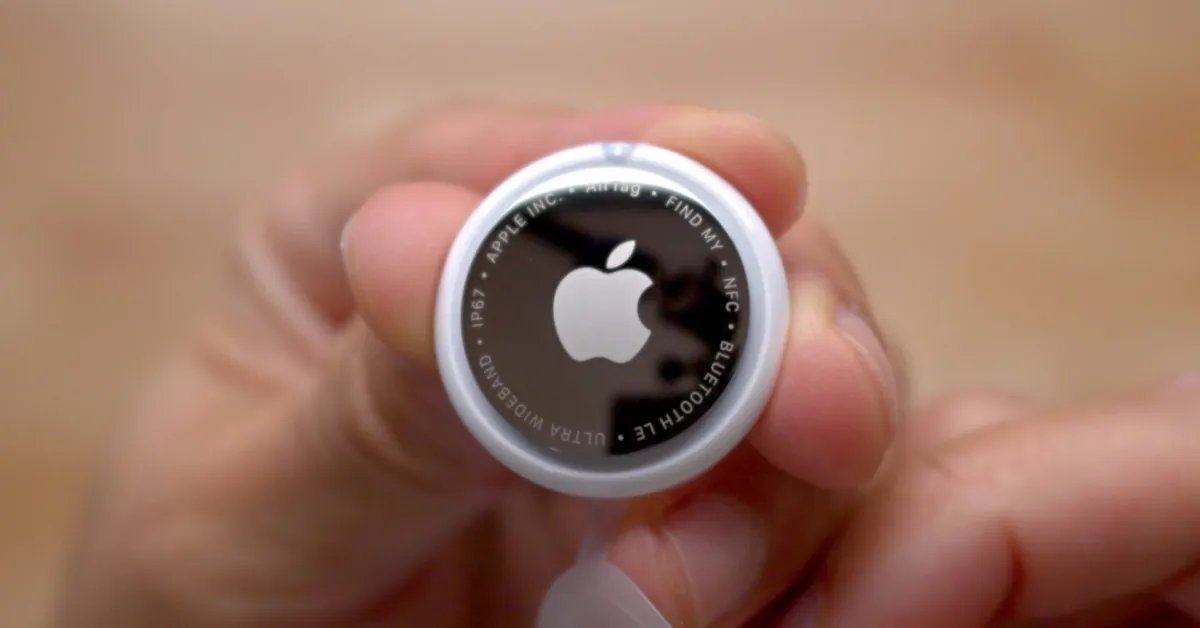
The release of the AirTag 2 marks the first hardware iteration of Apple’s object tracking technology since its debut half a decade ago. While the original device established a robust ecosystem for asset recovery, the second-generation model introduces refinements specifically engineered to improve the search process. By addressing limitations in signal range and auditory output, Apple has focused on the functional requirements of users who rely on precise location tracking for personal belongings.
Enhanced Precision Finding Range
The core utility of the AirTag 2 remains its integration with the Find My network, but the hardware upgrades to the internal components significantly alter the performance profile. The primary improvement lies in the integration of a second-generation Ultra Wideband (UWB) chip. This hardware change effectively extends the range at which the Precision Finding feature operates.
In the previous version, users were often required to be within a relatively confined radius before the iPhone could establish the spatial awareness necessary to guide the user toward the tag. The AirTag 2 demonstrates a marked improvement, offering a 1.5x increase in operational range for Precision Finding. This extension allows the UWB connection to lock onto the tag much sooner during a search mission. For users looking for items in larger environments, such as a backyard, a crowded workspace, or a multi-room house, this reach means the directional arrow and distance indicators appear on the screen with greater consistency. The reduction in the “dead zone” between the initial search and the start of precise guidance represents a meaningful step forward in tracking efficiency.
Acoustic Upgrades for Easier Detection
While the visual interface of the Find My app provides the most technical feedback, the audible alarm is often the final factor in recovery. Apple has overhauled the internal speaker system, resulting in a device that is 50% louder than the original model.
This hardware enhancement is not merely an increase in decibels; it is a strategic effort to overcome environmental masking. Items are frequently lost in locations where they are obscured by fabric, furniture, or thick walls. An audible signal that was previously muffled or difficult to isolate in a busy room is now significantly easier to pinpoint. According to technical assessments, this output boost enables the device to be detected from double the distance compared to the first-generation unit. The combination of a higher volume threshold and improved frequency projection ensures that the alert sound cuts through ambient noise, which is essential when the item is hidden inside a bag, a coat pocket, or beneath cushions.
Ecosystem Integration and Reliability
The AirTag 2 continues to leverage the vast global network of Apple devices to transmit location data securely. Because the underlying communication protocol utilizes end-to-end encryption, the tracking remains private. The upgrade does not alter the fundamental security architecture but rather reinforces the performance of the local search tools.
The reliance on the UWB technology continues to be the industry standard for short-range spatial tracking. By updating this chip, Apple ensures that the device maintains compatibility with the latest standards for spatial awareness, which is increasingly utilized in newer iterations of the iPhone and Apple Watch. The consistency of the tracking experience is bolstered by the improved hardware, as the device is better equipped to maintain a stable connection with the searching handset even when obstacles are present.
Use-Cases and Practical Impact
The practical applications for the AirTag 2 span from daily convenience to critical asset management. For individuals who frequently misplace keys or wallets, the increased volume and distance capabilities decrease the recovery time. In more intensive scenarios—such as tracking luggage during travel or locating gear in a storage unit—the ability to trigger a louder, more accessible sound from a greater distance minimizes the effort required to retrieve items.
The hardware refinements essentially remove friction from the search process. Where the previous generation might have required the user to walk through a house to enter the “Precision Finding” zone, the AirTag 2 can begin this guidance immediately upon entering the room. This translates to less time spent searching and a higher rate of success in chaotic or cluttered environments.
Compatibility and Market Positioning
Apple’s decision to maintain the form factor of the original while improving the internals ensures that the AirTag 2 remains compatible with the vast array of third-party cases, mounts, and accessories currently on the market. This backward compatibility is a significant benefit for existing users who may already have invested in protective housing or attachment mechanisms.
By iterating on the core features that define user satisfaction—audibility and spatial precision—Apple has addressed the primary feedback provided by the user base over the last five years. The AirTag 2 is not a complete redesign, but rather a functional maturation of a product that now performs its primary duty with greater reliability and ease. For those currently using the first-generation tags, the improvements to signal range and sound output provide a clear, technical justification for upgrading, particularly in scenarios where time-sensitive recovery is a priority.
Disclaimer: This content is auto-generated for informational purposes only.
Source: Read Original News