









The Collision Between Unofficial Development and Intellectual Property
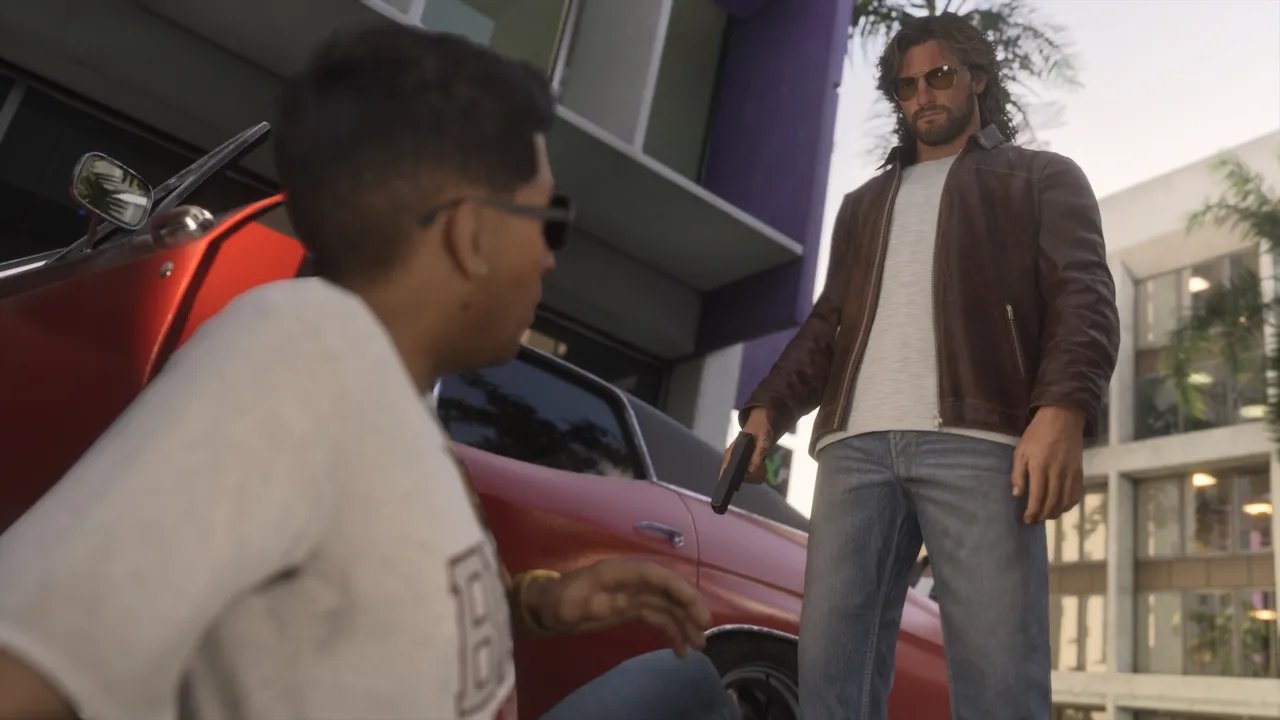
The landscape of modern gaming is increasingly defined by the tension between eager player bases and the rigid protectionism of major publishers. This dynamic has reached a boiling point with the anticipated title Grand Theft Auto VI. As console players enjoy the latest installment from Rockstar Games, the PC community remains in a state of waiting. This delay has prompted several amateur developers and enthusiasts to attempt the creation of unauthorized PC ports. These projects, often hosted on platforms like GitHub, seek to leverage leaked files and reverse-engineering techniques to bridge the gap between console-exclusive releases and the PC platform.
Take-Two Interactive, the parent company of Rockstar Games, has adopted a zero-tolerance policy toward these endeavors. By issuing aggressive Digital Millennium Copyright Act (DMCA) takedown notices, the publisher is systematically dismantling projects that rely on proprietary data. The company maintains that any modification or porting effort utilizing stolen source code or unauthorized game builds constitutes a direct violation of its intellectual property rights. This legal stance serves as a stern warning to developers and distributors that the protection of their software ecosystem is a top priority, regardless of the enthusiasm behind the fan projects.
Technical Mechanisms of Unofficial Ports
Unofficial porting projects, such as the now-defunct “Leonida” repository, generally function by attempting to bridge the architectural gap between console hardware and desktop environments. These efforts often require users to provide their own legitimate game files to serve as the foundation for the port. By instructing contributors to supply these assets, developers argue that they are simply creating a compatibility layer or an emulator-like environment rather than distributing the game itself.
However, Take-Two Interactive has categorized these instructions as fundamentally misleading. The company notes that these repositories rely on stolen files originating from unauthorized distributions of the Xbox Series build of Grand Theft Auto VI. When projects are built upon stolen intellectual property, they effectively facilitate piracy. The technical complexity involved in translating console-specific instructions to Windows or macOS is significant; consequently, these unauthorized versions are often characterized by severe performance degradation, graphical glitches, and instability. Despite the technical curiosity they may spark, these projects remain incomplete, unstable, and legally perilous for anyone involved in their development or distribution.
The Role of Leaks and AI in Modern Development
The rise in unauthorized porting efforts is partly fueled by the increasing frequency of high-profile data breaches and the accessibility of advanced software tools. The recent leak of an executable file by the individual known as Cyberleek provided a functional starting point for many of these projects, lowering the barrier to entry for amateur reverse-engineers. Furthermore, the proliferation of AI-driven analysis tools has accelerated the speed at which developers can dissect binary files and understand complex game structures.
While AI and machine learning have legitimate applications in game development and performance optimization, they have also streamlined the process of unauthorized modification and porting. This creates a volatile environment where companies like Rockstar Games must constantly defend their assets against a community empowered by automation. The surge in console jailbreaks and the ability to extract assets from protected environments highlight a growing challenge for publishers who rely on proprietary hardware security to ensure a controlled user experience.
Regulatory Enforcement and Platform Responsibility
The involvement of platforms like GitHub and Discord highlights the shift in responsibility toward hosting services in the battle against digital piracy. When Take-Two issues a DMCA notice, the burden falls on the platform to remove the offending content or risk legal liability. The recent takedown of the Leonida project and the subsequent removal of associated Discord servers demonstrate a coordinated effort to shut down not just the code, but the communication hubs where such projects are incubated.
For developers and contributors, these actions underscore the reality that technical ingenuity does not grant immunity from copyright law. Even if a project is non-commercial or intended merely as an experimental exercise in software portability, the use of stolen, proprietary code provides a clear legal basis for shutdown. By targeting both the repositories and the social platforms where development is organized, companies are effectively raising the cost and risk profile for those who attempt to preempt official releases.
Looking Toward the Official PC Release
While the PC community is understandably impatient, there is a path forward that does not involve legal risks. Industry reporting suggests that an official PC version of Grand Theft Auto VI is currently in development and could potentially arrive in early 2027. Official releases provide the stability, performance optimization, and community support that unauthorized ports inherently lack.
The strategy employed by Take-Two is likely intended to preserve the integrity of this upcoming release. By clearing the landscape of substandard, illegal alternatives, the publisher protects the market value and user experience of the final product. For fans, the current situation serves as a stark reminder of the constraints surrounding major game releases. While the allure of early access is powerful, the legal and technical risks associated with unauthorized ports are substantial. The best way to ensure the longevity and success of the platform is to wait for the official deployment, which will be designed to operate optimally within the desktop computing environment.
Disclaimer: This content is auto-generated for informational purposes only.
Source: Read Original News