






Embrace a Wild Garden Aesthetic
There is something undeniably cozy about looking out of a frosted window on a grey morning and spotting a flash of movement in the garden. While many of us spend the warmer months curating picture-perfect flower beds, winter asks us to take a step back and let nature do the heavy lifting. If you have been feeling the pressure to keep your outdoor space looking like a manicured show garden, I have some refreshing news: the most stylish garden this season is actually a little bit messy.
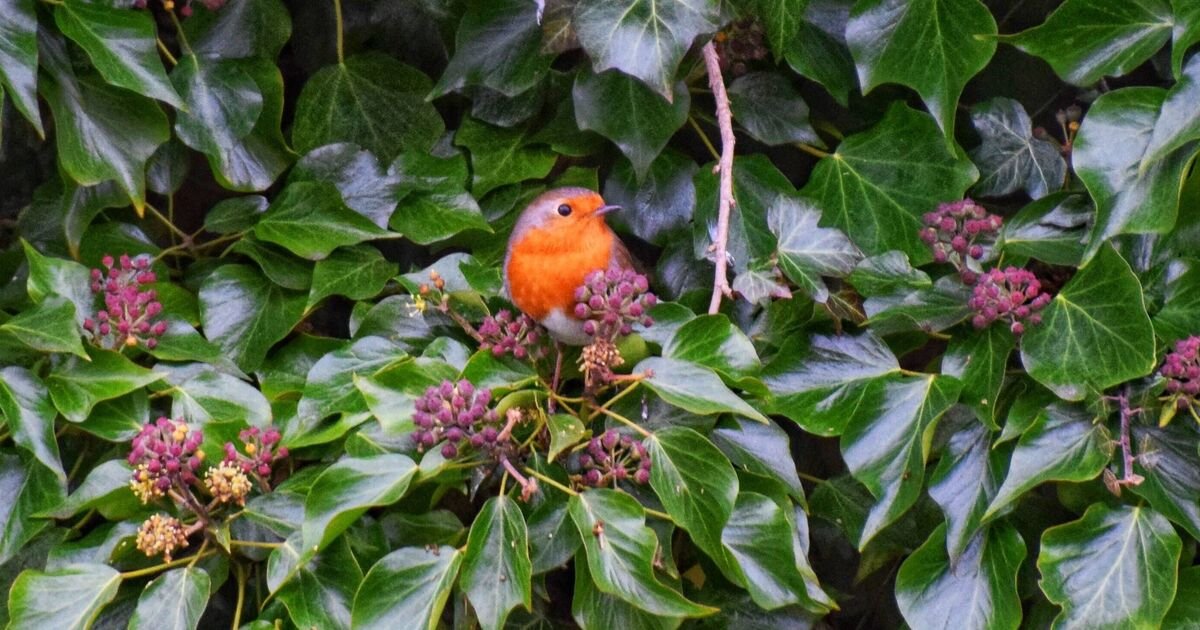
Leaving your garden to its own devices during the colder months is not just a reprieve for your weekend schedule; it is a vital act of hospitality for our local feathered friends. Robins, wrens, and sparrows are still out there navigating the chill, and they are looking for a reliable pit stop. By relaxing your maintenance routine, you turn your patch of land into a sanctuary that pulses with life even when the mercury drops.
The Secret Power of Ivy
If there is one plant that deserves a serious reputation renovation, it is common ivy. For a long time, ivy has been unfairly labeled as a nuisance, often cleared away in favor of cleaner, more minimalist landscaping. However, if you want your garden to be the place where birds gather, it is time to reconsider.
Ivy acts as a heavy-duty thermal jacket for your fences and walls. The dense foliage provides essential shelter for small birds seeking refuge from biting winds. Even better, it acts as a pantry. Those dark, fat-rich berries that appear in late winter are incredibly dense in calories—gram for gram, they are as packed with energy as a chocolate bar. While birds might prioritize the sweet holly berries early in the season, they rely on ivy as a critical energy source as the winter progresses. Letting a bit of green creep up your walls is a simple, low-effort way to support local wildlife while adding a touch of rustic, classic character to your home exterior.
Trade the Lawnmower for Birdsong
One of the most liberating trends in home gardening is the move away from the constant pursuit of the perfect lawn. We are often conditioned to think that short, uniform grass is the ultimate sign of a well-kept home, but the truth is quite the opposite for nature. When you put the lawnmower away, you allow nature to provide its own bounty.
Dandelion seedheads, which usually appear when we let the grass grow just a few inches higher, are a prized food source for goldfinches. Meanwhile, slightly longer grass makes it much easier for blackbirds, thrushes, and starlings to hunt for worms and invertebrates beneath the surface. Instead of spending your Saturday morning pushing a mower, you can sit back with a hot drink and watch as your garden becomes a bustling, natural theater. It is a win-win situation that leaves you with more time for your own winter downtime.
Curating a Winter Feast
If you are planning to add anything new to your outdoor space, think about choosing plants that do double duty for both you and the birds. Shrubs like hawthorn and elder are fantastic additions that provide a structural beauty in the winter and a sensory delight when spring arrives.
Elder trees are a personal favorite because they offer such distinct rewards. In the winter, they provide a structure that is perfect for smaller birds to hide in, and come May, the trees burst into cream-colored, fragrant blossoms. If you enjoy foraging or making your own cordials, these flowers are a treat for you, while the berries that follow become a banquet for the birds. Adding a rowan or a crab apple tree can also bring in more exotic visitors like waxwings, turning a quiet winter morning into a moment of genuine excitement.
Keeping it Simple
The goal of a bird-friendly garden is not to create a complex chore list. It is about harmony. You do not need to be a master gardener to make a difference; you simply need to change your perspective on what a “tidy” garden looks like. By welcoming a little bit of wildness, letting the ivy climb, and resisting the urge to mow every single blade of grass, you are creating a legacy of care. Your garden becomes more than just an extension of your home—it becomes a thriving, living space that keeps the pulse of nature beating right outside your door, even in the depths of January. When the birds come to visit, you will realize that a garden left to its own devices has a charm all its own.
Disclaimer: This content is auto-generated for informational purposes only.
Source: Read Original News