








US Proposes Steep Tariffs on Indian Goods, Pressuring New Delhi for Trade Deal
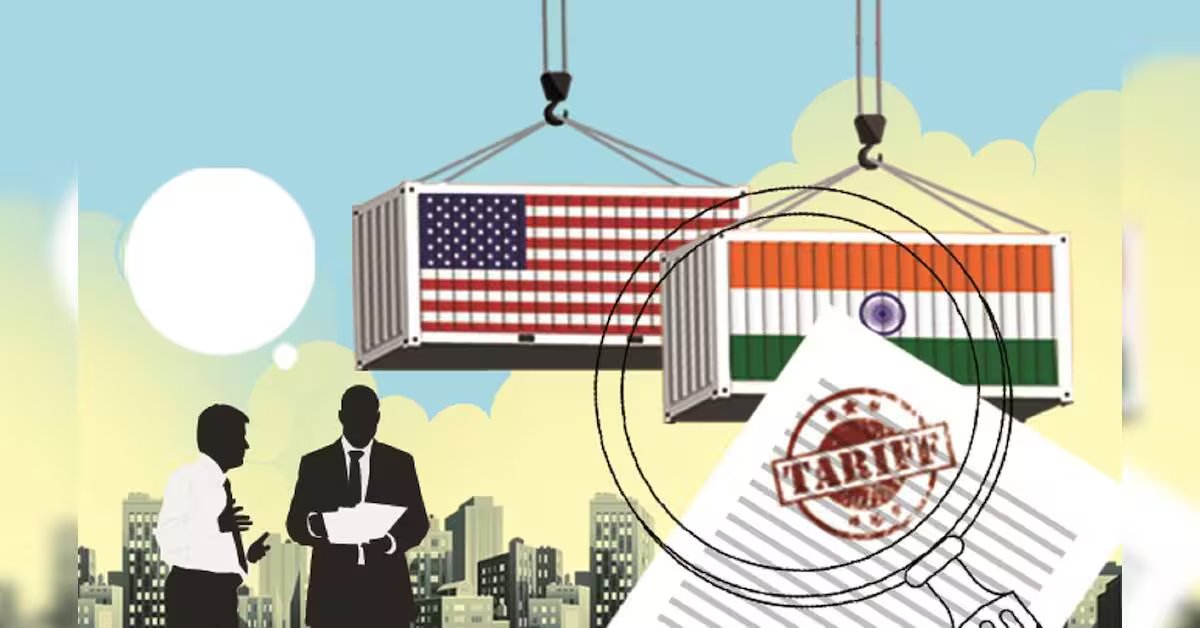
The administration of US President Donald Trump has unveiled a provocative trade strategy, proposing tariffs of up to 25 per cent on Indian imports. The move, stemming from a Section 301 investigation into alleged “structural excess capacity,” appears designed to force India’s hand in finalizing a long-pending bilateral trade agreement. Washington has dangled a potential reduction of this rate to 17 per cent, provided New Delhi agrees to specific terms favorable to the United States.
A Strategic Lever for Trade Negotiations
The preliminary findings of the Section 301 probe position India among a group of 14 major trading partners facing similar scrutiny. While India’s proposed 25 per cent tariff is significant—surpassed only by Vietnam’s 35 per cent—the US government has framed the 17 per cent offer as a strategic incentive. If accepted, this reduced rate would grant Indian exporters a modest competitive advantage over rivals like China and Vietnam, who face proposed rates of 20 per cent.
USTR Jamieson Greer defended the move, suggesting that the tariff ceilings align with previous trade discussions aimed at curbing industrial overcapacity. “We think a lot of these deals we made actually solve a lot of the problems we see in excess capacity,” Greer noted, indicating that the proposal is part of a broader, calculated effort by Washington to reshape international trade norms.
Allegations of “Unreasonable” Practices
The Office of the United States Trade Representative (USTR) has leveled sharp criticism against India’s economic policies, labeling them “unreasonable.” The allegations include accusations of financial repression, systemic market-access barriers, and inadequate labor protections. Furthermore, the US claims that India’s manufacturing expansion plans and reliance on inputs from non-market economies have harmed American commercial interests, particularly in the critical sectors of pharmaceuticals, steel, solar technology, and ICT.
The proposed levy, however, comes with a complex caveat. The USTR clarified that the 25 per cent rate would be calculated “net of existing Section 301 duties,” aiming to avoid simple stacking on top of current customs levies. This nuance is crucial, as many Indian exports—such as steel, automobiles, and semiconductors—are already subject to existing Section 232 duties.
Pushback from Industry Experts
The proposal has drawn swift condemnation from analysts in India. The Delhi-based Global Trade Research Initiative (GTRI) slammed the move as a coercive tactic, arguing that the US is merely rebranding a reciprocal tariff regime to extract one-sided concessions. The think-tank warned that Washington is leveraging steep baseline duties to pressure partners into deals that prioritize American interests over equitable trade.
The GTRI has strongly advised the Indian government against bowing to these demands, suggesting that New Delhi should reject the current trade deal framework. Instead, the think-tank recommends a sector-by-sector rebuttal of Washington’s allegations.
Uncertainty Looms Over Bilateral Ties
Negotiations for the first phase of an India-US trade agreement have been ongoing since March of last year. Although both nations reached a preliminary consensus in February to target a tariff rate of 18 per cent, that momentum was disrupted when the US Supreme Court restricted the President’s authority to impose certain country-specific duties.
With the legal landscape shifting and the Section 301 investigation looming, India’s Commerce Secretary Rajesh Agrawal recently signaled caution. While negotiations are nearing a conclusion, he maintained that any formal signing remains contingent on the US providing clarity on its evolving tariff framework. As New Delhi weighs its options, the looming threat of additional sanctions and the aggressive stance from the Trump administration suggest that the path to a trade consensus remains fraught with volatility.
Disclaimer: This content is auto-generated for informational purposes only.
Source: Read Original News