








Strategic Capital Allocation and the Tata-SP Group Impasse
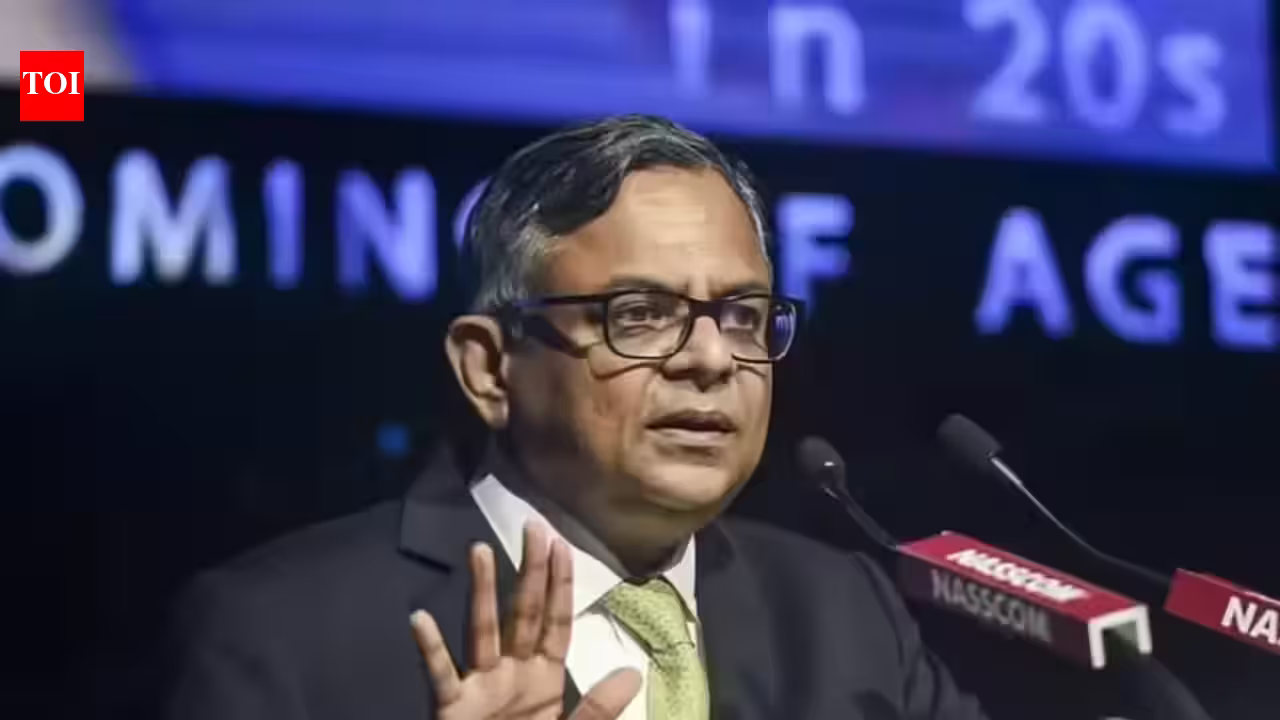
The ongoing discourse regarding the exit of the Shapoorji Pallonji (SP) Group from its 18.4 percent stake in Tata Sons represents a significant chapter in the history of Indian corporate governance. As Tata Sons Chairman N. Chandrasekaran navigates the complexities of this transition, the primary objective remains the provision of liquidity to the minority shareholder while preserving the stability and control structure of the Tata Group. The urgency of the situation—driven by the SP Group’s requirement for approximately Rs 25,000 crore—necessitates a sophisticated approach to capital management that aligns with both regulatory constraints and long-term group strategy.
The potential methodologies for this transaction are not merely administrative; they are rooted in the interplay between the Companies Act, tax regulations, and internal bylaws. Each mechanism carries distinct consequences for shareholding patterns, the valuation of unquoted securities, and the speed of execution. As the Indian market watches closely, the resolution of this standoff will set a precedent for how large, unlisted conglomerates handle major equity restructuring.
Evaluating Liquidity Mechanisms and Regulatory Constraints
Tata Sons is currently weighing three distinct pathways: a private stake purchase by a Tata-linked entity, a proportionate share buyback, or a selective capital reduction. The first two paths are favored for their operational efficiency, as they primarily require board approval, thereby circumventing the lengthy and arduous processes associated with judicial oversight.
A private purchase of the SP Group’s stake by a Tata-affiliated Special Purpose Vehicle (SPV) offers a controlled mechanism to shift ownership. However, this strategy is governed by strict statutory limits. Under Section 19 of the Companies Act, a subsidiary is prohibited from holding shares in its parent company. Therefore, any entity designated to acquire the shares must be carefully structured to ensure it remains independent of the direct subsidiary-parent relationship. This model allows the Tata Group to increase its internal holding—currently at 13 percent—while providing the SP Group with immediate access to cash.
Alternatively, a share buyback represents a mechanism wherein the company itself repurchases equity. Under Section 68 of the Companies Act, a buyback of up to 10 percent of the company’s net worth can be executed through a board resolution. For a larger transaction, a special resolution of shareholders is mandatory. This approach poses a unique challenge: if the Tata Trusts—the controlling shareholder with a 66 percent stake—do not participate, the SP Group’s exit would result in an automatic increase in the percentage ownership held by the Trusts.
The Technicalities of Valuation and Tax Implications
Valuation serves as the most critical pillar in this negotiation. Because Tata Sons is an unlisted entity, it does not have a daily market price to determine the fair value of its equity. Instead, Rule 11UA of the Income Tax Act dictates the valuation methodology for unquoted shares. This rule focuses on the adjusted value of a company’s underlying assets and liabilities, factoring in the market value of its various holdings, such as stakes in Tata Consultancy Services (TCS) and Tata Capital.
Crucially, this valuation approach typically disregards the “holding company discount” that is often applied in public markets. Given that the SP Group’s stake is estimated at a valuation of Rs 3 lakh crore, the tax and accounting implications of such a transaction are vast. Any discrepancy between the valuation determined under tax laws and the price negotiated between the parties could invite scrutiny from regulatory bodies. The reliance on the adjusted net asset value ensures that the transaction reflects the robust performance of the group’s listed crown jewels, providing a transparent basis for the payout.
Navigating the Legal and Governance Hurdles
The third approach—a selective capital reduction—stands out as the most complex and time-consuming route. Governed by Section 66 of the Companies Act, this process requires a special resolution of shareholders, creditor consent, and, ultimately, approval from the National Company Law Tribunal (NCLT).
The primary barrier to this strategy is the quorum requirement. A shareholder meeting, essential for passing a special resolution, faces a significant quorum hurdle that could delay the entire process for up to a year. Furthermore, a capital reduction entails a cancellation of the SP Group’s shares, which inherently triggers governance debates regarding the participation of nominee directors from Tata Trusts. Articles 115 and 121 of the Tata Sons Articles of Association provide the framework for these conflicts, and any move that triggers an automatic shift in ownership percentage—benefiting the Trusts without a direct cash outflow from their side—is likely to face intense legal deliberation.
Market Outlook and the Potential for an IPO
Beyond the immediate mechanisms of buybacks and stake transfers, the long-term future of Tata Sons remains linked to the potential for a public listing. While an Initial Public Offering (IPO) is often viewed as a mechanism to unlock value, it introduces volatility and external accountability that a private, family-trust-dominated conglomerate may seek to avoid.
However, an IPO or a secondary offer for sale (OFS) would provide a definitive exit strategy for the SP Group, allowing the market to determine the true value of the conglomerate. If the SP Group were to offer its shares to the public, it would resolve the liquidity crisis without necessitating an internal cash outflow from the Tata Group. Conversely, a fresh issue of shares by Tata Sons would dilute existing shareholders, potentially altering the balance of power.
Conclusion: Setting the Stage for Corporate Realignment
The resolution of the Tata-SP Group shareholding issue is a litmus test for corporate stability in India. By choosing between internal buybacks, private purchases, or judicial capital reduction, the Tata leadership must balance its immediate liquidity obligations to the SP Group against the desire to maintain its long-held ownership structure.
The preference for pathways that require board-level approval suggests that time is of the essence. As the group navigates these institutional requirements, the outcome will likely reinforce the dominance of the Tata Trusts while consolidating the group’s influence over its massive portfolio. Ultimately, this situation underscores a fundamental reality of the Indian corporate landscape: the necessity of robust governance frameworks when managing the transition of equity within multi-generational, large-scale conglomerates. The path chosen by N. Chandrasekaran will likely define the capital strategy for the group for the coming decade, ensuring that while the ownership structure may evolve, the strategic direction of the Tata brand remains firmly anchored.
Disclaimer: This content is auto-generated for informational purposes only.
Source: Read Original News