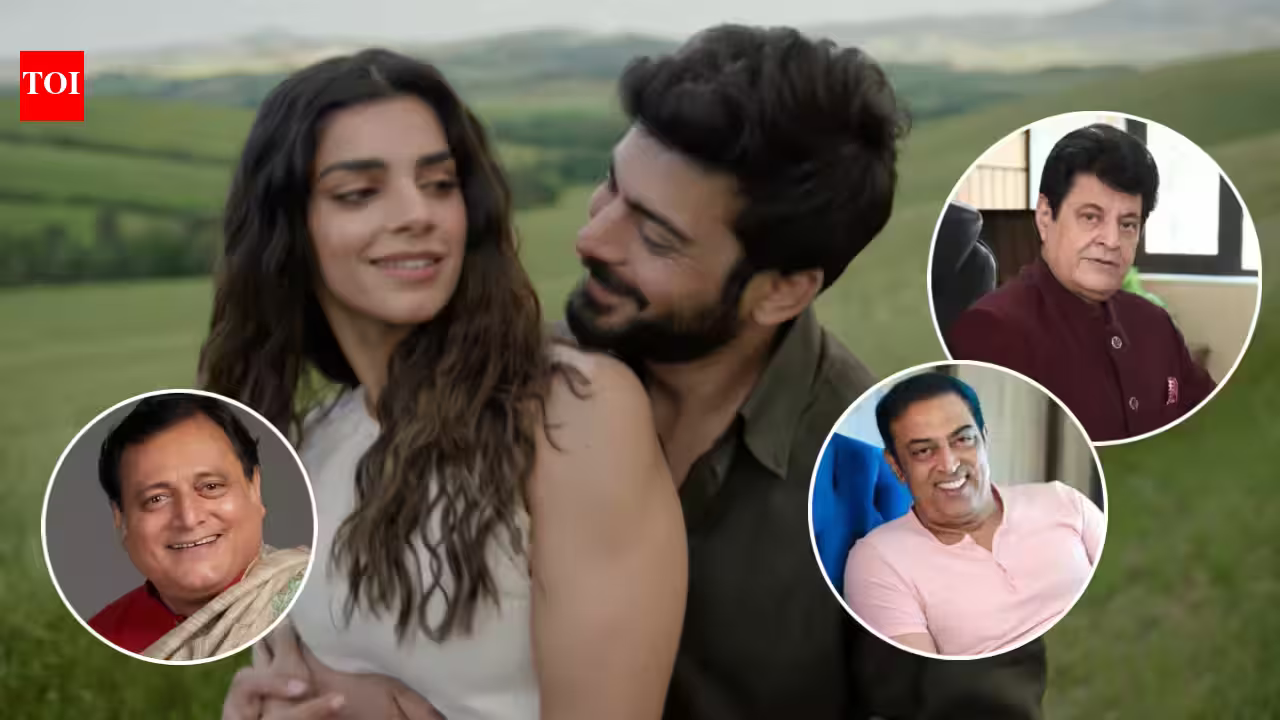








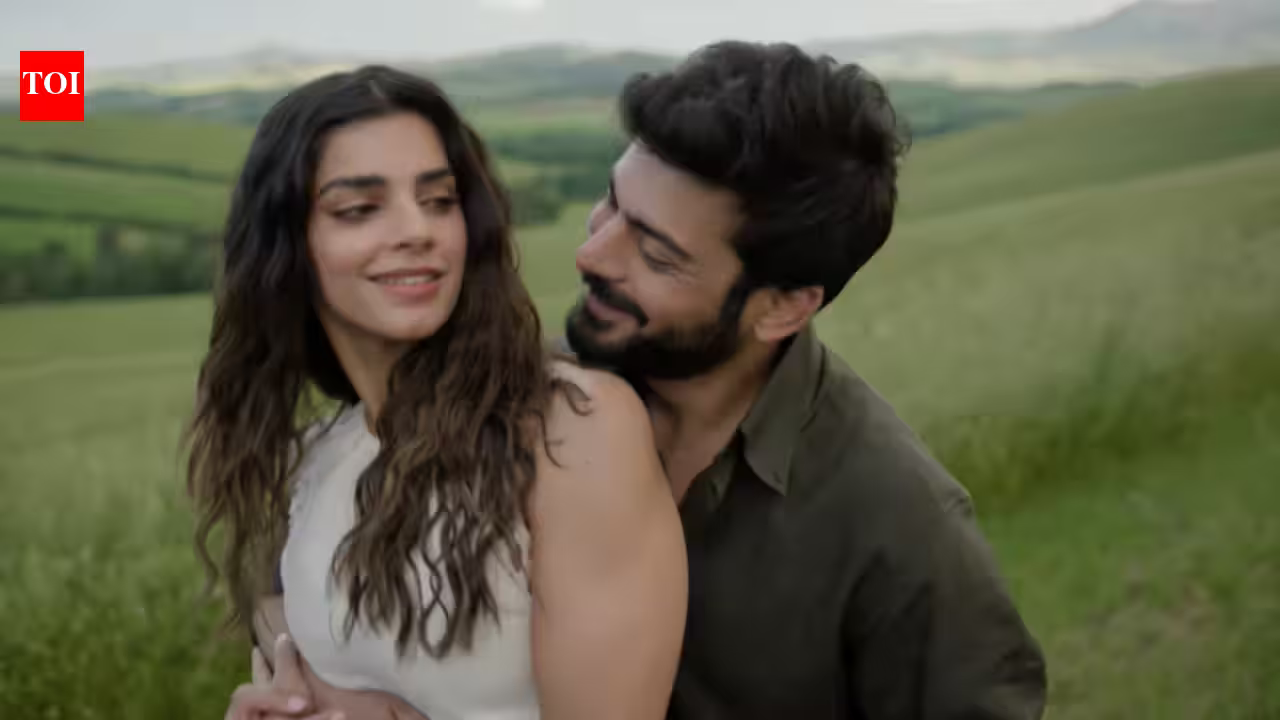
The landscape of South Asian entertainment has always been a high-wire act, but Netflix’s debut Pakistani original, Jo Bachay Hain Sang Samait Lo (internationally titled All the Love Our Hearts Carry), has turned that tightrope into a geopolitical battleground. As the December 4 release date looms, the project—a star-studded adaptation of Farhat Ishtiaq’s 2013 bestselling novel—finds itself less defined by its narrative of intergenerational romance and more by the fierce firestorm of nationalist rhetoric currently engulfing the India-Pakistan cultural corridor.
The Trigger: A Collision of Art and Geopolitics
The controversy ignited almost immediately following the release of the series’ trailer earlier this week. While fans were busy celebrating the reunion of heavyweights like Fawad Khan, Mahira Khan, and Sanam Saeed, various Indian film bodies, including the All Indian Cine Workers Association (AICWA) and the Federation of Western India Cine Employees (FWICE), pivoted to political action. Their demand? A total ban on the series in India.
For the streaming giant, the move is a logistical and public relations headache. Netflix has remained characteristically tight-lipped, offering no clarification on whether the show will be available to Indian subscribers or if it will be geo-blocked to avoid further confrontation. The silence has left industry observers guessing, but the volatility of the situation is undeniable.
The #GrowUpIndia Rhetoric
The most vocal response to the ban demands came from across the border, courtesy of Pakistan’s planning minister, Ahsan Iqbal. Taking to X (formerly Twitter), Iqbal did not mince words, accusing India of weaponizing culture as an extension of its foreign policy.
“First weaponizing sports, then water, and now art and culture,” Iqbal wrote, backing his stance with the biting hashtag #GrowUpIndia. He challenged the premise that a fictional television drama could constitute a national security threat. “How insecure do you have to be to see a cricket match as a political threat and a television drama as a national security concern? Let athletes play, let waters flow, let artists create, and let audiences decide what they watch.” His sentiments were echoed by prominent figures in the Pakistani arts scene, including actor Ayesha Omer, signaling a growing fatigue with the stagnation of cross-border cultural exchange.
An Industry on Edge
For the Pakistani entertainment fraternity, the stakes of this protest go far beyond a single Netflix title. There is a palpable sense of anxiety regarding the future of Pakistani content on global streaming platforms. Producers and distributors are rightfully concerned that if Indian pressure succeeds in forcing a ban, it could set a precedent that renders Pakistani projects radioactive for platforms that rely on the massive Indian viewership for profitability.
Nadeem Mandviwalla, a prominent producer and cinema owner, noted that the industry is still recovering from the fallout of the 2025 Pahalgam terror attack, which led to a total freeze in cultural exchanges and, in turn, crippled the cinema business in both nations. For creators, the fear is that the “curtain” may not just remain shut but could be further reinforced, extending from physical cinemas to the digital cloud where Pakistani dramas have, until now, found a flourishing, borderless audience.
The Power of the “YouTube Effect”
Why does this matter so much now? Film critic and podcaster Omair Alavi points to a changing reality: the “YouTube Effect.” Despite the official thaw in relations, Pakistani dramas have enjoyed massive, organic popularity in India via digital platforms. Shows like Dar-e-Nijat have demonstrated that the appetite for Urdu storytelling among Indian audiences hasn’t vanished—it has simply migrated to the internet.
Alavi suggests that this grassroots success has made elements of the Indian entertainment establishment nervous. When content can bypass traditional state-controlled gatekeepers, it creates a “soft power” dynamic that some in the Indian industry appear desperate to curb. As advertising agency owner Jamal Mir aptly put it, “Pakistani content requires Indian audiences to succeed… people in both countries relate a lot in culture and art.” By attempting to choke off the supply, the AICWA and FWICE aren’t just targeting a show; they are attempting to disrupt a deep-seated cultural affinity that has survived decades of political friction.
A Legacy Project at the Center of the Storm
Lost amidst the political posturing is the sheer scale of the production itself. Jo Bachay Hain Sang Samait Lo is not a rushed project; it has been eight years in the making. Created, directed, and produced by Momina Duraid, the series is a sprawling, multi-generational epic that follows six linked romances across a spectrum of family pressures and personal struggles.
Beyond the established brilliance of Fawad and Mahira—whose chemistry in Humsafar remains a gold standard for regional television—the cast boasts a formidable ensemble, including Ahad Raza Mir, Iqra Aziz, Hania Aamir, and Hamza Ali Abbasi. The trailer’s glitzy unveiling at Karachi’s historic Mohatta Palace underscored the ambition of this project: it was meant to be the crown jewel of Pakistan’s venture into high-budget global streaming.
As December 4 approaches, the series is no longer just a television show; it is a litmus test for the viability of international creative collaboration in a climate of hardening borders. Whether audiences in India are granted access or whether the show becomes a digital samizdat remains to be seen. What is clear, however, is that in the battle between the screen and the state, art rarely emerges unscathed.
Disclaimer: This content is auto-generated for informational purposes only.
Source: Read Original News