





US Proposes Tariff Framework: Strategic Exemptions and Textile Concerns for India
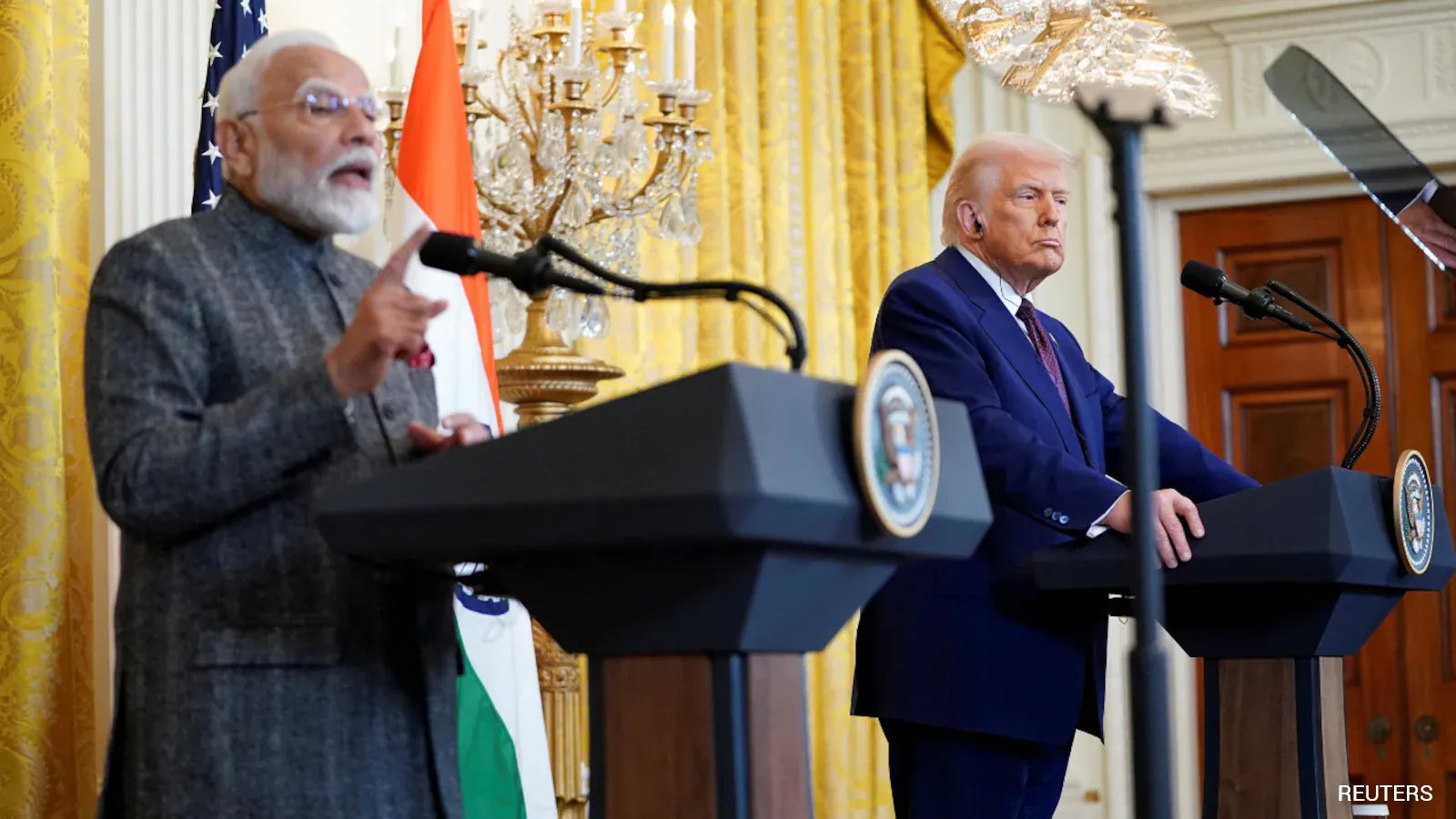
In a significant development for India-US trade relations, the Office of the United States Trade Representative (USTR) has unveiled a proposed framework for tariffs on Indian goods. While the proposal includes a headline rate of up to 25%, the fine print reveals a complex strategy of exemptions designed to shield specific sectors from economic disruption.
Strategic Exemptions and Safeguards
According to the USTR notice issued on Wednesday, the proposed tariff regime features a carefully curated list of exclusions. The administration has signaled that smartphones—a critical component of India’s burgeoning electronics manufacturing sector—would be exempt from the new duties. This exclusion, filed under tariff code 8517.13.00, appears to be a targeted move to avoid imposing broad end-use restrictions on consumer technology.
Furthermore, the USTR has opted to exclude essential goods already subject to separate national-security duties under Section 232. This includes specific steel, aluminum, and copper products, as well as semiconductors, vehicles, and patented pharmaceuticals. The USTR justified these exemptions by citing the risk of domestic shortages and the potential for severe economic disruption if these raw materials and critical finished goods were to be taxed. Other items slated for exemption include books, educational materials, and charitable donations.
The Textile Trade Dilemma
Despite the relief offered to the tech and pharmaceutical sectors, the proposal presents a formidable challenge for India’s textile and apparel industry. The current draft indicates that most fabrics and garments remain squarely within the scope of the proposed tariffs.
The USTR has left the door slightly ajar for negotiation, actively seeking public comment on the possibility of creating a volume-based arrangement that could allow some textile imports to enter at a reduced rate. However, the proposal stops short of offering concrete relief, suggesting that any future concessions may be tied to separate ongoing investigations into forced labor practices in international supply chains.
India’s Stance on Manufacturing
The USTR documentation also sheds light on India’s defensive posture regarding its industrial policies. In response to US concerns over potential “excess capacity” and market-distorting subsidies, New Delhi has maintained that its current manufacturing trajectory is a natural consequence of meeting domestic demand in a developing economy.
The Indian government has clarified that the growth in its steel and solar sectors is driven by market forces and consumer orders rather than government-directed capacity expansion. Furthermore, officials have asserted that programs like the “Make in India” initiative and associated production-linked incentives are intended to foster domestic self-reliance. India emphasized that these incentives should not be conflated with artificial, state-sponsored production that is disconnected from actual market demand.
Moving Forward
While the proposal sets a maximum tariff ceiling of 25%, the USTR has indicated that this could be revised downward to 17% if the two nations can hammer out a reciprocal trade agreement. As of now, the duties remain strictly a proposal, with the USTR noting that consultations held on May 14 did not yield a breakthrough.
The proposed ceiling for India sits in a middle ground compared to other nations under review: it is higher than the 18% proposed for countries like Indonesia and Malaysia, yet significantly lower than the 35% ceiling under consideration for Vietnam. As the consultation period continues, the final outcome remains heavily dependent on whether India and the US can bridge the gap between their divergent views on industrial policy and trade equity.
Disclaimer: This content is auto-generated for informational purposes only.
Source: Read Original News