








US Tariff Proposal Puts India at Crossroads: Trade Deal Could Secure Competitive Edge
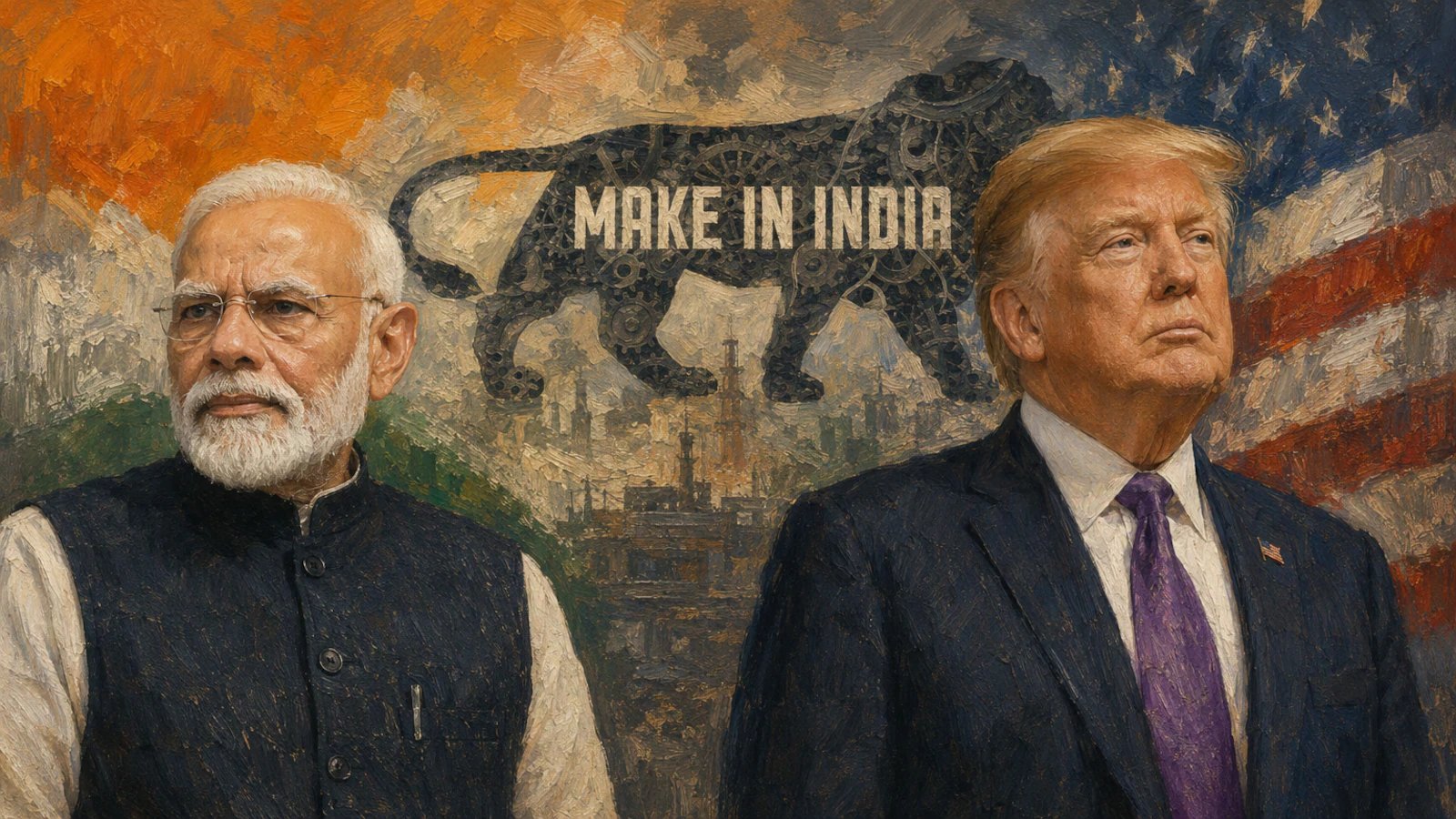
The United States has unveiled a proposal to impose a 25% tariff on Indian imports, citing concerns over “excess industrial capacity.” However, the Biden administration has signaled a potential olive branch, suggesting that this levy could be slashed to 17% should New Delhi finalize a long-pending trade agreement.
The move comes as the U.S. intensifies its protectionist stance, but the contingent 17% rate offers India a potential silver lining when compared to the treatment of its regional competitors.
Competitive Landscape
For Indian exporters, the proposed 17% rate, if secured through a deal, could provide a distinct market advantage. Under the same policy framework, the U.S. has slated an 18% tariff for Bangladesh, Cambodia, and Indonesia. Meanwhile, Vietnam faces a 20% tariff rate even with a trade deal in place.
China, the focal point of U.S. trade friction, currently faces a 20% rate contingent on a trade truce set to expire in January. Should that truce collapse, Beijing could see its tariffs climb to 40%, compounding existing duties from the previous Trump administration. For India, the 17% figure represents a slightly better position than the 18% framework discussed in February 2025, prior to legal challenges that temporarily reset the baseline to 10%.
Rationale and New Delhi’s Stance
Washington’s aggressive stance is underpinned by a list of grievances. The Office of the U.S. Trade Representative has criticized India for what it terms “unreasonable trade practices,” specifically pointing to inadequate labor standards, restricted market access, and financial policies it claims foster global industrial overcapacity.
The Indian Ministry of Commerce and Industry confirmed on Wednesday that it is reviewing the U.S. notice. In its formal response during the investigative process, the Indian government categorically denied the allegations, stating that there is no evidence of structural excess capacity within any of its industrial sectors.
The Complexity of Bilateral Negotiations
Trade negotiations between Washington and New Delhi have remained gridlocked since February 2025. Several geopolitical and economic hurdles have complicated the path toward a consensus. A significant point of contention has been a recent U.S. law that permits tariffs as high as 100% on Indian goods, triggered by New Delhi’s continued procurement of Russian crude oil. While these purchases have slowed recently due to cooling global prices and increased supply alternatives from Saudi Arabia, the policy remains a looming threat.
Further strain on the diplomatic relationship has been fueled by a series of unfortunate incidents. The death of three Indian seafarers in a U.S. military operation near Oman and diplomatic friction over President Trump’s unsolicited claims regarding a mediation role in India-Pakistan tensions have created a volatile atmosphere for trade discussions.
Economic Stakes
The stakes remain high for India, as the U.S. stands as its largest export destination. Despite the rocky political climate, Indian exports have shown remarkable resilience, rising 14.5% to $59.5 billion between April and October. While key categories such as generic pharmaceuticals and smartphones remain largely exempt from the current 10% levy, analysts warn that a failure to strike a comprehensive deal could trigger widespread instability.
Market observers caution that without a formal agreement, business confidence could plummet, putting further pressure on the Indian rupee, which dipped to near-record lows in October. As negotiations continue, New Delhi remains steadfast in its desire to shield sensitive domestic sectors—including dairy, poultry, rice, and wheat—from mandatory market-opening concessions.
Disclaimer: This content is auto-generated for informational purposes only.
Source: Read Original News