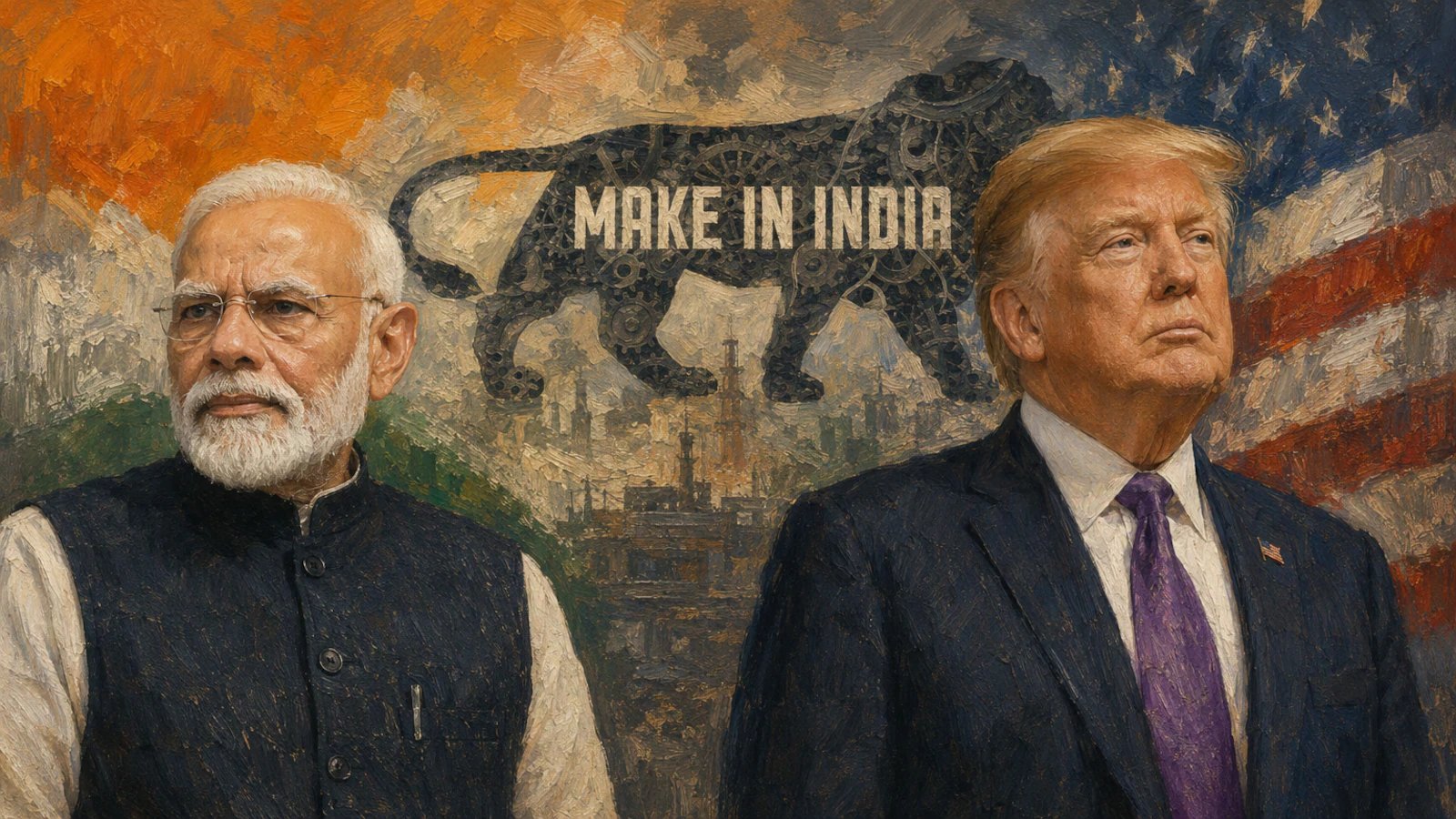









New Delhi Deflects US Accusations of “Structural Excess” as Trade Tensions Mount
New Delhi has formally refuted claims made by the Trump administration regarding “structural excess” in India’s industrial capacity. The rebuttal follows a recent move by the United States to initiate a review of global trade practices, which has resulted in the proposal of significant new tariffs on Indian-made goods.
In a comprehensive statement released late Wednesday, India’s Commerce Ministry confirmed it had received a notice from the Office of the United States Trade Representative (USTR) seeking feedback on the matter. The ministry issued a swift and categorical denial, asserting that India’s industrial landscape does not suffer from the structural overcapacity issues suggested by Washington.
“In response to the notice of initiation and in subsequent proceedings, the Department of Commerce stated that India does not have structural excess capacity in any sector,” the ministry declared, signaling that the government is prepared to challenge the findings of the USTR investigation during formal proceedings.
Bilateral Negotiations Remain the Focus
Despite the escalating rhetoric and the threat of impending duties, India maintains that the appropriate venue for addressing these concerns is the ongoing dialogue regarding a bilateral trade agreement. New Delhi emphasized that it remains steadfast in its commitment to resolving grievances through established diplomatic channels rather than unilateral punitive measures.
Government officials reiterated that they remain dedicated to working alongside the United States to finalize a comprehensive bilateral trade deal. By framing the current disputes as manageable within the scope of these negotiations, India is attempting to de-escalate the friction and steer the relationship toward a collaborative conclusion that benefits both economies.
Tariffs and the Economic Landscape
The Trump administration’s announcement on Wednesday revealed a broad-based trade strategy, with proposed tariffs impacting several major partners, including China, Japan, the European Union, and India. Under the current proposal, India faces potential duties of up to 25% on various exports. However, there remains a window for adjustment; the administration indicated that this rate could be lowered to 17% should New Delhi and Washington reach a mutually satisfactory trade pact.
The proposed tariffs arrive at a sensitive time for the two nations, which are working to build upon a robust commercial partnership. Data from 2025 indicates that bilateral trade between India and the US reached approximately $149.4 billion, reflecting a deeply integrated economic relationship.
The pressure to resolve these disputes is high, particularly following the announcement last month that both sides had successfully reached the terms of an interim framework agreement. This framework was specifically designed to settle long-standing bilateral trade disputes and stabilize the economic environment. Whether this interim progress will be enough to shield India from the administration’s aggressive tariff agenda remains a central question as both capitals prepare for further negotiations in the coming weeks. For now, the Indian government stands firm on its industrial integrity, pushing for a resolution that prioritizes partnership over protectionism.
Disclaimer: This content is auto-generated for informational purposes only.
Source: Read Original News