




Government Pressures Netflix to Block Pakistani Series Amidst Industry Outcry
The Indian Ministry of Information and Broadcasting has formally urged streaming giant Netflix to halt the release of the upcoming Pakistani series, Jo Bachay Hain Sang Samait Lo, within the Indian market. The directive, which echoes long-standing restrictions on cross-border cultural collaborations, has reignited debates over the intersection of entertainment and national security.
Scheduled for a December 4 premiere, the series—internationally titled All the Love Our Hearts Carry—has become a flashpoint for intense political scrutiny. The Ministry’s intervention follows a broader advisory issued in May 2025, which explicitly cautioned Over-the-Top (OTT) platforms against distributing content originating from Pakistan. While Netflix had previously indicated an alignment with these government guidelines, the release of the show’s trailer has prompted renewed pressure from federal authorities to ensure strict adherence.
Industry Bodies Demand Halt
The push to block the series is being spearheaded by two of India’s most influential film industry organizations: the All Indian Cine Workers Association (AICWA) and the Federation of Western India Cine Employees (FWICE). Both groups have petitioned Prime Minister Narendra Modi, arguing that the streaming of Pakistani content is a direct affront to national sentiment.
AICWA President Suresh Shyamlal Gupta was blunt in his assessment, citing the unresolved tensions following the Pulwama attack and the subsequent industry-wide boycott of Pakistani artists. For the AICWA, the decision to host the show on an Indian-accessible platform represents a failure to respect the existing domestic consensus on cultural disengagement with Pakistan.
The FWICE, representing a massive coalition of over half a million industry professionals, has taken a more militant stance. President B.N. Tiwari issued a stern warning, stating that the organization is prepared to initiate a total blockade on Netflix’s production operations within India should the platform proceed with the Indian release of the series. “For us, the country comes first, and Pakistani artists are not welcome,” Tiwari stated, emphasizing that the association considers the series an unacceptable violation of the current geopolitical climate.
Diplomatic Spats and Artistic Freedom
The move has drawn sharp criticism from across the border. Pakistan’s Planning and Development Minister, Ahsan Iqbal, took to social media to condemn the Indian government’s stance, characterizing it as a sign of institutional insecurity. Iqbal accused New Delhi of systematically “weaponizing” various sectors—ranging from water resources and sports to the arts—to stifle cross-border engagement. He argued that viewing a piece of television fiction as an existential threat to national security reflects an alarming trend of politicizing cultural expression.
The Future of the Series on Indian Screens
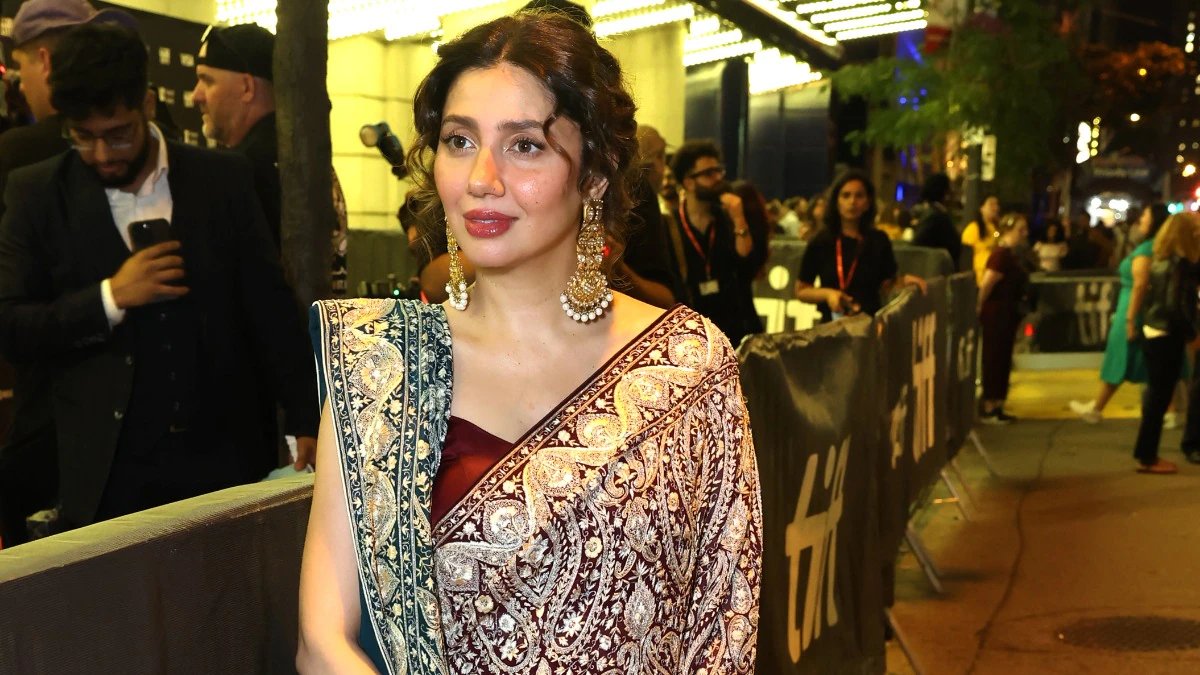
Jo Bachay Hain Sang Samait Lo is an adaptation of a popular novel by Farhat Ishtiaq and features a star-studded cast, including Fawad Khan, Mahira Khan, and Sanam Saeed. Given the immense popularity these actors previously enjoyed among Indian viewers, the show was expected to draw significant interest.
As of now, Netflix remains silent on whether the series will be geo-blocked for Indian subscribers. With the December release date approaching, the platform faces a precarious decision: navigate the mounting legal and logistical threats from domestic industry unions or risk official government sanctions by defying the Ministry’s explicit advisory. For now, the status of the series remains a high-stakes test of the current boundaries between digital streaming platforms and national policy.
Disclaimer: This content is auto-generated for informational purposes only.
Source: Read Original News