






New Delhi Weighs US Tariff Proposal: A Potential 17% Trade Lifeline
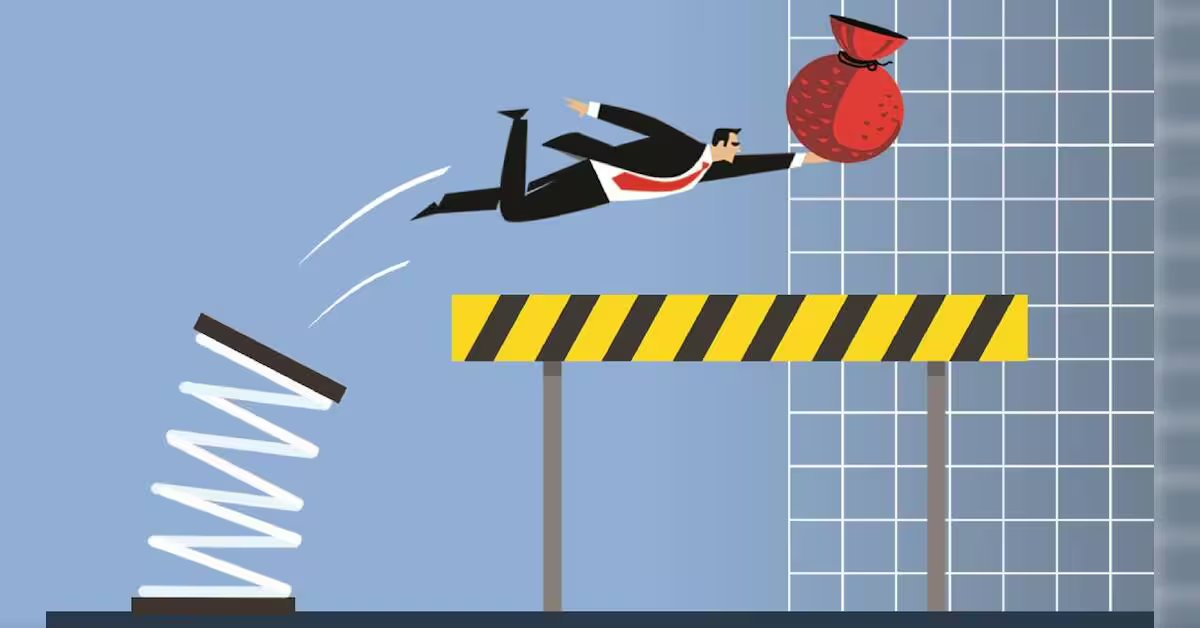
The United States has unveiled a proposed tariff structure that could significantly reshape India’s export landscape. Washington is currently eyeing a 25% tariff rate on Indian imports, citing concerns over industrial overcapacity. However, the U.S. Trade Representative’s office has signaled a potential reduction to 17%—provided that both nations can successfully conclude long-stalled trade negotiations.
This development arrives at a critical juncture for New Delhi, as it balances the need to protect sensitive domestic sectors with the urgency of maintaining its foothold in the American market, which remains its largest export destination.
Competitive Edge or Diplomatic Hurdle?
The proposed 17% tariff rate, contingent on a trade agreement, positions India in a relatively favorable light compared to several of its regional competitors. For instance, countries such as Bangladesh, Cambodia, and Indonesia are looking at proposed rates of 18%, while Vietnam may face a 20% tariff.
By potentially securing a lower rate, India could gain a distinct competitive advantage in the U.S. market, particularly as global trade tensions fluctuate. The proposal also highlights the volatility of international trade policy; for comparison, China currently faces a 20% rate under a truce that expires in January. Should that agreement collapse, Beijing could see its tariffs soar to 40%.
The Rationale and India’s Response
The U.S. administration’s move is rooted in grievances regarding India’s trade practices. American officials have pointed to alleged inadequacies in labor protections, barriers to market access, and a lack of transparency regarding industrial capacity.
In response, New Delhi’s trade ministry confirmed it is reviewing the U.S. notice. India has maintained throughout the investigative process that it possesses no structural excess capacity in any of its industrial sectors, pushing back against the narrative that its manufacturing sector is distorting global markets.
A Path Complicated by Geopolitics
Despite the clear economic incentives, finalizing a trade deal has proven elusive since discussions began in February 2025. The diplomatic atmosphere has grown increasingly strained over the past year. Several flashpoints have hindered progress, including tensions over India’s oil imports from Russia and friction surrounding high-profile U.S. military incidents near the Indian coastline. Additionally, recurring disputes over U.S. claims regarding mediation between India and Pakistan have further complicated bilateral relations.
Beyond politics, legislative hurdles remain. New laws in the U.S. could authorize tariffs of up to 100% on Indian goods, largely linked to New Delhi’s historic reliance on Russian crude. While those risks have moderated recently due to shifts in global oil pricing and increased imports from Saudi Arabia, they remain a “sword of Damocles” hanging over trade talks.
Economic Stakes
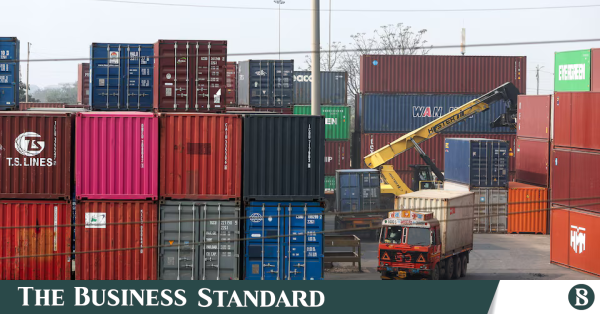
The urgency for a deal is clear: Indian exports to the U.S. have been remarkably robust, surging by 14.5% to $59.5 billion between April and October. While many vital exports—such as generic pharmaceuticals and high-end electronics—are currently shielded from existing 10% baseline levies, an escalating trade conflict poses a substantial threat.
Analysts warn that a failure to reach a consensus could dampen investor sentiment and place further pressure on the Indian Rupee, which recently flirted with record lows. As New Delhi continues negotiations, it remains steadfast in its desire to insulate essential agricultural sectors, including rice, wheat, and dairy, from market-opening commitments, ensuring that any final deal protects the livelihoods of its farming population.
Disclaimer: This content is auto-generated for informational purposes only.
Source: Read Original News