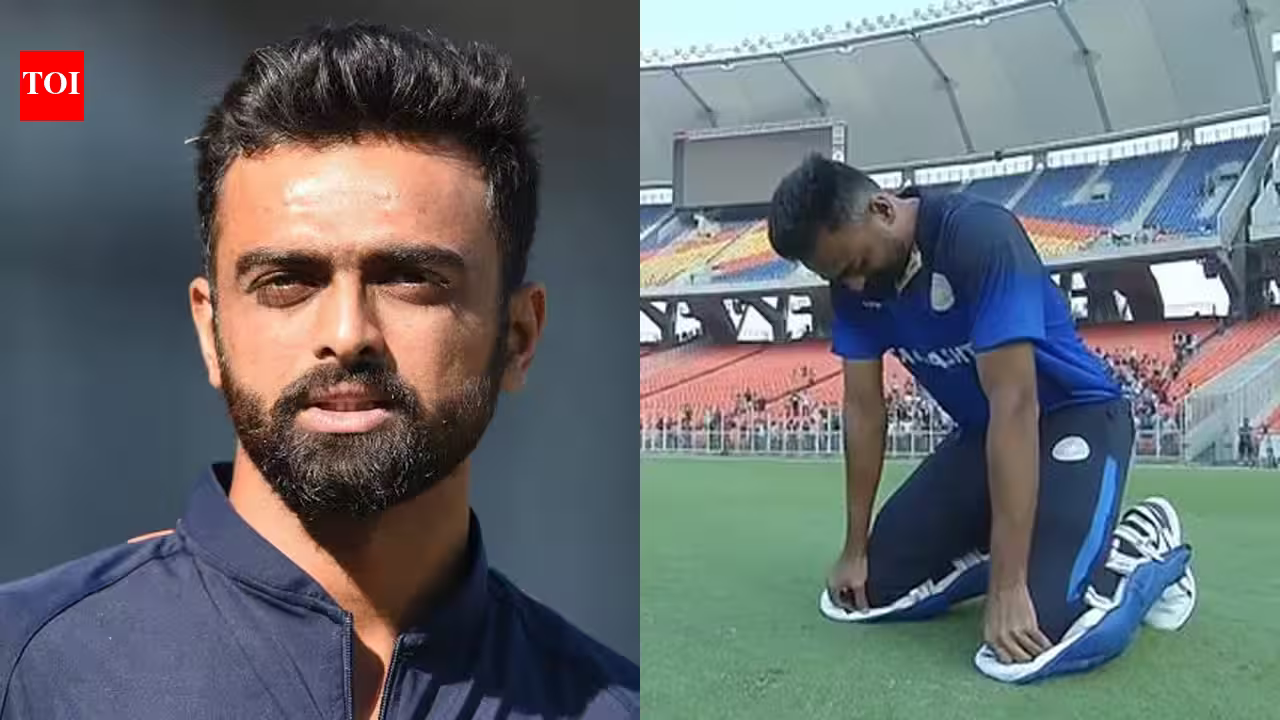








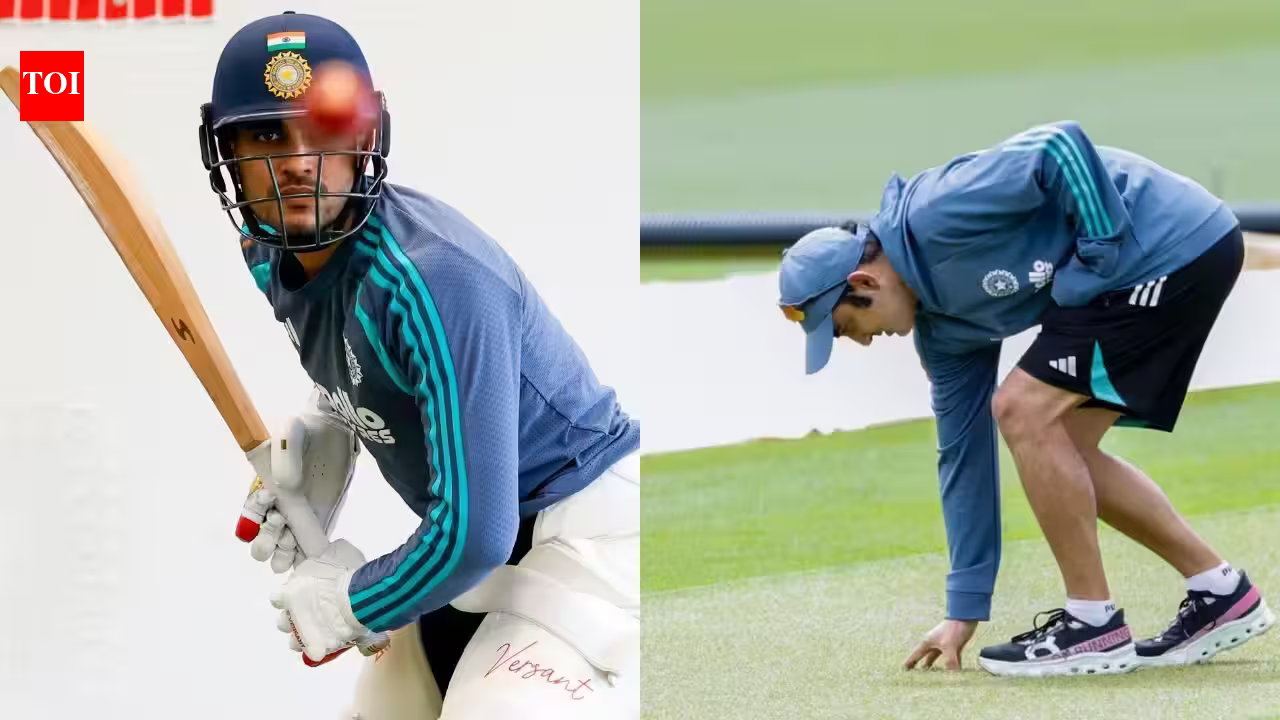
CHRISTCHURCH: “Captain is the main man.” These words, spoken by former Indian head coach John Wright against the picturesque backdrop of Hagley Oval, carry a weight that resonates far beyond a mere nostalgic anecdote. As the cricketing world gathers in Christchurch to celebrate a century of unity through sport, Wright’s reflection on the golden era of Indian cricket—specifically his symbiotic, transformative partnership with Sourav Ganguly—serves as a poignant blueprint for the present.
For Shubman Gill, the current custodian of the Indian Test captaincy, the message is clear: the time for apprenticeship is over. To truly lead, he must step out of the shadow of tactical frameworks and impose his own identity on the dressing room.
The Wright Perspective: Lessons from the 2000s
John Wright’s tenure remains the benchmark for coach-captain synergy. Whether it was the bold decision to omit Anil Kumble from the 2003 World Cup final or the visionary gamble of promoting Virender Sehwag to the top of the order, Wright’s genius was in his execution of a leader’s vision. Yet, as Wright insists, those decisions were never about him; they were about Sourav Ganguly’s unwavering authority.
“Yuvi (Yuvraj Singh) will be with Sourav at Delhi Capitals, Zaheer Khan is with CSK and L Balaji with the India A team now. But Sourav is Sourav,” Wright reminisced with a knowing chuckle. His words underscore a fundamental truth: while coaches and support staff come and go, the team must remain an extension of the captain’s mindset.
Shubman Gill: Finding a Voice Amidst Coaching Ideologies
Shubman Gill finds himself in a unique position. Unlike many predecessors who hand-picked their coaches, Gill was the unanimous choice of head coach Gautam Gambhir and chairman of selectors Ajit Agarkar following the retirement of Rohit Sharma. While Gill’s bat has flourished under the pressure of the armband, his captaincy remains in its nascent, “baby steps” phase.
There is a palpable danger that Gill risks becoming a vessel for the ideologies of his coach rather than an architect of his own era. Gambhir, known for his clinical obsession with left-right batting combinations, high-velocity batting depth, and the utility of niche specialists, brings a specific template to the table. However, Gill’s own tactical fingerprints are still faint.
Observers point to one consistent theme in Gill’s tenure: a distinct preference for tall, aggressive fast bowlers who can hit the deck hard and sustain intensity through long, punishing spells. With 11 Tests under his belt—ranging from challenging English conditions to the spin-heavy surfaces of the subcontinent—the sample size for Gill’s leadership is no longer small. By the conclusion of the ongoing New Zealand tour, the expectation is that the dressing room should clearly recognize the “Gill way” of playing cricket.
The WTC Reality Check
The immediate focus for this squad is the World Test Championship (WTC) cycle, a pursuit that has recently hit significant turbulence. Following a series defeat to South Africa at home and frustrating draws in Colombo and Wellington, the path to the final has become perilously narrow.
Team India’s bowling coach, Morne Morkel, offered a rare, unflinching assessment on the eve of the second Test. “I’ll tell you what, all these guys want to play in that (WTC) final, and they’ll give everything possible to make it. But realistically, if we’re honest, it’s going to be a challenge,” Morkel admitted.
While the dream of reaching the WTC final may be fading, the secondary objective for this tour is arguably more important: the maturation of Shubman Gill. If the current WTC cycle is indeed slipping away, it provides a crucial, low-pressure runway for the 27-year-old to test his tactical acumen and command.
A New Era for Indian Cricket
As the Indian team prepares to face New Zealand at Hagley Oval, the historical significance of the venue is not lost on the players. It was here that many of India’s past heroes etched their legacies. For Gill, this serves as an ideal stage to stake his claim.
Gautam Gambhir’s contract runs through the 2027 ODI World Cup, offering a long-term safety net, but Gill is the long-term future. Indian cricket has always been at its most potent when the team’s spirit mirrored the character of its leader. Whether it was the raw aggression of Ganguly or the tactical composure of others, the captain has always been the face of the brand.
John Wright’s reflection wasn’t just a trip down memory lane; it was a subtle mandate for the present. The transition from a promising talent to a definitive leader is rarely smooth, but it is necessary. For the Indian team to reach its next zenith, the dressing room needs to look less like a classroom for the coach’s theories and more like a battlefield for the captain’s intent.
In the high-stakes theater of Test cricket, Shubman Gill must decide exactly what kind of leader he wants to be. As Wright so succinctly put it, the captain is the main man—it is time he started playing like one.
Disclaimer: This content is auto-generated for informational purposes only.
Source: Read Original News